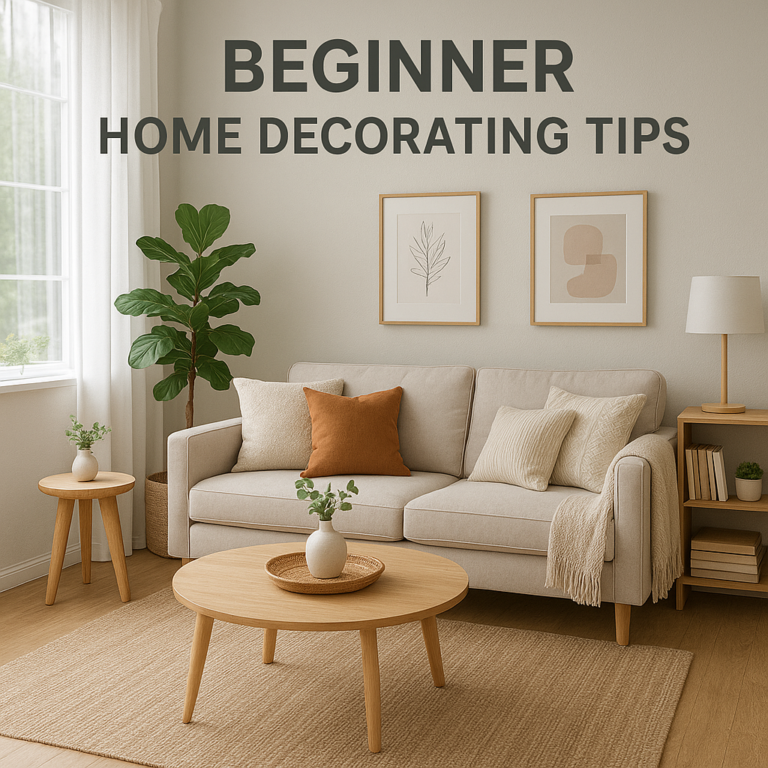
Support our educational content for free when you purchase through links on our site. Learn more
🏡 How to Decorate Your House Nicely: 10 Pro Secrets for a Stunning Home (2026)

You can decorate your house nicely by mastering the art of layered lighting, adhering to the 60-30-10 color rule, and prioritizing functional layouts over trendy furniture sets. If you’ve ever wondered, “How can I decorate my house nicely?” without spending a fortune or losing your mind, the answer lies in balancing personal style with practical organization.
We once helped a client who thought her home looked “messy” because she had too many books and plants. Turns out, she just needed to group them by color and add a few statement lamps to create depth. Suddenly, the clutter looked like a curated library, and the space felt instantly expensive.
Did you know the average person spends 90% of their time indoors? That’s why getting your decor right isn’t just about vanity; it’s a direct investment in your daily mood and mental clarity.
Key Takeaways
- Master the 60-30-10 Rule: Use 60% dominant color, 30% secondary, and 10% accent to create instant visual harmony.
- Layer Your Lighting: Combine ambient, task, and accent lights to eliminate flat shadows and add drama.
- Prioritize Function First: Ensure traffic flows naturally and furniture fits the scale of the room before worrying about style.
- Mix Textures, Not Just Colors: Combine velvet, wood, metal, and jute to add depth without cluttering the palette.
- Declutter Relentlessly: A polished look starts with hidden storage and keeping horizontal surfaces clear.
Table of Contents
- ⚡️ Quick Tips and Facts
- 🏛️ A Brief History of Home Styling: From Caves to Chic
- 🎨 Mastering the Art of Interior Design: How to Decorate Your House Nicely
- 🚫 Common Decorating Mistakes to Avoid Like the Plague
- 🏡 Room-by-Room Decorating Guides
- 🛋️ Living Room: The Heart of the Home
- 🍽️ Dining Room: Setting the Table for Memories
- 🛏️ Bedroom: Crafting a Serene Sanctuary
- 🚿 Bathroom: Turning Utility into a Spa Retreat
- 🏠 Home Office: Boosting Productivity with Style
- 🔍 Sourcing the Best Home Decor: Where to Shop
- 🧠 Psychology of Color and Mood in Interior Design
- 📸 Before and After: Real-Life Transformation Stories
- 💬 Conclusion
- 🔗 Recommended Links
- ❓ FAQ
- 📚 Reference Links
⚡️ Quick Tips and Facts
Before we dive into the deep end of paint swatches and fabric swatches, let’s hit the pause button and grab a few golden nugets of wisdom. At Home Decorations™, we’ve seen thousands of homes transform, and the difference between a “nice” house and a “stunning” one often comes down to a few fundamental rules.
Here is the cheat sheet to getting it right the first time:
- The 60-30-10 Rule: This is the holy grail of color. 60% of your room should be a dominant color (walls, large rugs), 30% a secondary color (upholstery, curtains), and 10% an accent color (pillows, art, small decor). Break this, and you risk a chaotic mess.
- Lighting is the Makeup of a Room: You can have the most expensive furniture in the world, but if your lighting is flat, the room will look flat. Always layer your lighting: ambient (overhead), task (reading lamps), and accent (spotlights on art).
- Scale Matters: A tiny rug in a massive living room looks like a postage stamp. A massive sofa in a small room feels like a traffic jam. Measure twice, buy once.
- The “Eye Level” Rule: When hanging art, the center of the piece should be at 57-60 inches from the floor. This is the average human eye level. Anything higher floats away; anything lower looks like it’s sinking.
- Texture Over Color: If you are struggling to make a neutral room interesting, stop adding more colors and start adding textures. A velvet pillow, a rough jute rug, and a smooth ceramic vase create depth without clashing.
Fun Fact: Did you know that the average person spends about 90% of their time indoors? That’s why getting your decor right isn’t just about vanity; it’s about your mental well-being! Learn more about the psychology of interior spaces.
🏛️ A Brief History of Home Styling: From Caves to Chic

You might think decorating is a modern obsession, but humans have been trying to make their dens look “nice” since the first cave dweller decided a mamoth tusk made a better doorstop than a rock.
The Evolution of the “Nice” House
- Ancient Civilizations: The Egyptians were the first to really care about aesthetics. They used vibrant colors, intricate patterns, and furniture with animal legs (think lion paws) to show status. They understood that a home should reflect the divine.
- The Middle Ages: Let’s be honest, this wasn’t the era of “nice.” Castles were cold, stone, and drafty. Decor was purely functional: tapestries for warmth, not style.
- The Renaissance: Enter the Renaissance. Suddenly, art, symmetry, and proportion became king. Homes were designed to impress guests, not just keep the rain out.
- The Industrial Revolution: Mass production changed everything. Furniture became cheaper, but often less durable. The “matchy-matchy” look was born here, a trend we are still trying to unlearn today.
- Modern Day: Today, we value personalization and functionality. We want our homes to tell our story, not just look like a magazine spread. As we’ll see later, the best homes are the ones that actually get lived in.
Why does history matter? Because trends cycle. What was “ugly” in the 70s is “vintage chic” today. Understanding the past helps you avoid buying a piece that will look dated in five years.
🎨 Mastering the Art of Interior Design: How to Decorate Your House Nicely
So, you’ve asked the million-dollar question: “How can I decorate my house nicely?” The answer isn’t a single magic wand; it’s a process. At Home Decorations™, we believe that decorating is 20% inspiration and 80% execution.
Let’s break down the 10-step roadmap to a home that doesn’t just look good, but fels right.
1. 📏 Defining Your Personal Style and Aesthetic Vision
Before you buy a single cushion, you need to know who you are. Are you a Minimalist who hates clutter? A Boho lover who collects vintage rugs? Or maybe a Mid-Century Modern enthusiast?
How to find your style:
- The Pinterest Test: Create a board. If you have more than 20 pins, look for patterns. Do you see a lot of white walls? Lots of wood? Dark mody tones?
- The “Three Words” Exercise: Ask yourself: If my home was a person, what three words would describe it? (e.g., “Cozy, Earthy, Eclectic”).
- Avoid the “Catalog Look”: Don’t just copy a room from a magazine. Adapt it to your life.
Pro Tip: Don’t limit yourself to one style. The most interesting homes are eclectic, mixing eras and styles seamlessly.
2. 📐 Creating a Functional Floor Plan and Layout Strategy
A pretty room that you can’t walk through is a failed room. Functionality is the skeleton of good design.
- Traffic Flow: Ensure you have at least 30 inches of walking space between furniture pieces.
- The Focal Point: Every room needs a star. Is it the fireplace? The view? The TV? Arrange furniture to face the focal point, not the door.
- Zoning: In open-plan homes, use rugs and lighting to define “zones” (e.g., a dining zone vs. a lounge zone).
3. 🌈 Curating a Cohesive Color Palette for Every Room
Color sets the mood. But how do you choose?
- The 60-30-10 Rule (Revisited): Stick to it! It prevents color chaos.
- Lighting Matters: A paint color looks different at noon than it does at 8 PM. Always test swatches on the wall and look at them in different lights.
- Flow: While each room can have a different color, ensure there’s a thread of continuity (e.g., using the same trim color or a recurring accent color) so the house doesn’t feel like a patchwork quilt.
4. 💡 Layering Lighting: Ambient, Task, and Accent Illumination
We mentioned this in the quick tips, but it deserves its own section because bad lighting ruins everything.
- Ambient: The general light. Think ceiling fixtures or recessed lighting.
- Task: Specific light for activities. A reading lamp, under-cabinet kitchen lights, or a desk lamp.
- Accent: Drama. Picture lights, sconces highlighting art, or LED strips behind a TV.
The “Always Go Bigger” Rule: As the video we’ll discuss later suggests, if you’re unsure about a light fixture size, go bigger. A small chandelier in a large room looks like a toy.
5. 🛋️ Selecting Furniture That Fits Your Space and Lifestyle
Furniture is the heavy lifter of decor.
- Measure Your Space: Use painter’s tape to outline the furniture on the floor. Does it block the walkway? Does it overwhelm the room?
- Lifestyle Check: Do you have kids? Pets? If yes, skip the white linen sofa. Go for performance fabrics like Crypton or tightly woven blends.
- Quality over Quantity: It’s better to have one amazing sofa than three cheap ones that look tired in a year.
6. 🧵 Mixing Textures, Patterns, and Materials for Depth
This is where the magic happens. A room with only smooth surfaces feels sterile.
- The Mix: Combine soft (velvet, wool) with hard (metal, glass, stone) and rough (jute, wood grain).
- Pattern Mixing: Don’t be afraid to mix patterns! Just keep the color palette consistent. A floral pillow can work with a striped rug if they share a common color.
7. 🖼️ Styling Walls, Shelves, and Accessory Displays
Your walls and shelves are your canvas.
- Gallery Walls: Keep the spacing consistent (about 2-3 inches between frames). Mix frame sizes and styles for a curated look.
- Shelf Styling: Use the rule of three. Group items in odd numbers. Vary heights and textures. Leave some “negative space” so it doesn’t look cluttered.
- Art Placement: Hang art so the center is at eye level. If you have a sofa, the bottom of the frame should be 6-8 inches above the sofa back.
8. 🌿 Incorporating Greenery and Natural Elements
Plants bring life to a room. Literally.
- Variety: Mix tall floor plants (like a Fiddle Leaf Fig) with small table plants (like a Snake Plant).
- Natural Materials: Incorporate wood, stone, rattan, and wicker. These materials age beautifully and add warmth.
9. 🧹 Decluttering and Organizing for a Polished Look
You can have the most beautiful furniture, but if it’s covered in mail and toys, it won’t look nice.
- The “One In, One Out” Rule: For every new item you bring in, remove an old one.
- Hidden Storage: Use baskets, ottomans with storage, and built-in shelves to hide the clutter.
- Surfaces: Keep horizontal surfaces (tables, counters) relatively clear. A few curated items are better than a pile of “stuff.”
10. 🛠️ Budget-Friendly DIY Hacks vs. Splurge-Worthy Investments
You don’t need a million dollars to have a nice house.
- Splurge On: Things you touch and use daily. Your mattress, your sofa, and your kitchen faucet.
- Save On: Decor items that are easy to swap. Throw pillows, art prints, and small accessories.
- DIY Wins: Painting old furniture, re-upholstering a chair, or making your own art can save hundreds of dollars.
Curiosity Check: You might be wondering, “But what if I make a mistake? What if I paint the wrong color or buy the wrong size?” Don’t worry, we have a whole section dedicated to Common Decorating Mistakes coming up next, so you can dodge those bullets before you even pick up a paintbrush.
🚫 Common Decorating Mistakes to Avoid Like the Plague
We’ve all been there. You buy a rug, and it looks like a postage stamp. You hang a painting, and it looks like it’s floating in the sky. Here are the top sins of interior design and how to fix them.
1. The “Postage Stamp” Rug
The Mistake: Buying a rug that is too small for the seating area.
The Fix: The front legs of all your seating furniture should sit on top of the rug. If that’s not possible, at least the front legs of the sofa and chairs should touch the rug.
2. The “Floating” Art
The Mistake: Hanging art too high on the wall.
The Fix: Remember the 57-60 inch rule. The center of the artwork should be at eye level. If you are hanging art above a sofa, leave 6-8 inches of space between the sofa back and the bottom of the frame.
3. The “Matchy-Matchy” Set
The Mistake: Buying a sofa, chair, and coffee table from the same set.
The Fix: Mix it up! Pair a modern sofa with a vintage coffee table. Mix metals (brass and black iron). Variety creates interest.
4. The “One-Size-Fits-All” Lighting
The Mistake: Using a single overhead light for the whole room.
The Fix: Layer your lighting. Add floor lamps, table lamps, and sconces. Dimer switches are your best friend.
5. Ignoring the “Plimsoll Line”
The Mistake: Putting breakable, expensive items where kids or pets can reach them.
The Fix: Establish a Plimsoll Line. Below this line, everything should be durable, washable, or unbreakable. Above this line, you can display your delicate treasures.
6. The “Too Many Trends” Trap
The Mistake: Filling your home with the latest trends (like the “Millennial Pink” craze of 2018).
The Fix: Trends are fun, but use them in small doses. A trendy pillow is easy to swap out. A trendy sofa is a nightmare to replace.
🏡 Room-by-Room Decorating Guides
Now that we have the principles down, let’s apply them to the specific rooms in your house. Each room has a unique job, and your decor should reflect that.
🛋️ Living Room: The Heart of the Home
The living room is where you entertain, relax, and live.
- Layout: Create a conversation circle. Arrange seating so people can talk without shouting.
- Focal Point: Whether it’s a TV or a fireplace, arrange furniture to face it.
- Textiles: Add layers with rugs, throws, and pillows. This adds warmth and comfort.
- Storage: Use ottomans with storage or stylish baskets to hide remotes and blankets.
🍽️ Dining Room: Setting the Table for Memories
Even if you don’t eat here every day, the dining room should feel special.
- Lighting: A statement chandelier or pendant light centered over the table is essential. It should hang 30-36 inches above the table surface.
- Seating: Ensure there’s enough room to pull chairs out. Leave at least 36 inches between the table and the wall.
- Decor: A centerpiece that isn’t too tall (so people can see each other) and a runner or placemats to define the space.
🛏️ Bedroom: Crafting a Serene Sanctuary
Your bedroom is for sleep and relaxation. Keep it calm.
- Color Palette: Stick to cool, calming colors like blues, greens, or soft neutrals. Avoid bright reds oranges.
- Beding: Invest in high-quality sheets. Layer with a duvet, a throw, and plenty of pillows.
- Lighting: Use dimmable bedside lamps. Avoid harsh overhead lights.
- Clutter: Keep surfaces clear. A cluttered room equals a cluttered mind.
🚿 Bathroom: Turning Utility into a Spa Retreat
The bathroom is often the smallest room, but it can have the biggest impact.
- Lighting: Bright, even lighting is key for grooming, but add a dimer for a relaxing bath.
- Storage: Use baskets, shelves, and cabinets to hide toiletries. A cluttered sink looks messy.
- Textiles: Plush towels, a soft bath mat, and a shower curtain that matches the rest of the decor.
- Greenery: A small plant (like a snake plant or pothos) that loves humidity adds life.
🏠 Home Office: Boosting Productivity with Style
With more people working from home, the office needs to be both functional and inspiring.
- Ergonomics: Invest in a good chair and desk. Your back will thank you.
- Lighting: Task lighting is crucial. A desk lamp that reduces eye strain is a must.
- Inspiration: Add art, plants, or a vision board to keep you motivated.
- Cable Management: Hide those cords! Use cable ties or sleeves to keep the desk looking clean.
🔍 Sourcing the Best Home Decor: Where to Shop
Now that you know what to buy, where do you find it? The market is flooded with options, from high-end boutiques to budget-friendly giants.
The Big Box Stores
- IKEA: Great for basics and modern designs. Perfect for budget-friendly solutions.
- Target: Offers trendy, affordable decor. Their “Project 62” and “Opalhouse” lines are particularly popular.
- Wayfair: Massive selection, but be careful with quality. Read reviews!
Mid-Range & Specialty
- West Elm: Known for mid-century modern styles and high-quality materials.
- Potery Barn: Classic, traditional styles. Great for family-friendly furniture.
- CB2: The cooler, more modern sibling of Crate & Barrel.
Vintage & Unique Finds
- Etsy: Perfect for handmade, custom, and vintage items.
- Chairish: A marketplace for vintage and antique furniture.
- Local Thrift Stores: The best place to find unique, one-of-a-kind pieces.
Shopping Tip: Always check the return policy and shipping costs. A “cheap” item can become expensive if you have to pay for return shipping.
🧠 Psychology of Color and Mood in Interior Design
Did you know that the color of your walls can affect your mood and productivity?
- Blue: Calming, promotes relaxation. Great for bedrooms and bathrooms.
- Green: Refreshing, balances the nervous system. Perfect for living rooms and home offices.
- Yellow: Energizing, boosts creativity. Good for kitchens and dining rooms, but use sparingly as it can be overwhelming.
- Red: Stimulating, increases heart rate. Use as an accent color, not a wall color.
- Neutral (White, Beige, Gray): Versatile, creates a sense of space. Can feel cold if not balanced with warm textures.
Fun Fact: A study by the University of Texas found that people in blue rooms performed better on cognitive tests than those in red rooms!
📸 Before and After: Real-Life Transformation Stories
Nothing speaks louder than a real-life transformation. Here are a few stories from our clients at Home Decorations™.
Case Study 1: The “Dark and Cramped” Apartment
Before: A 60 sq ft apartment with dark walls, heavy furniture, and no natural light.
After: We painted the walls a soft greige, swapped the heavy sofa for a sleek, light-colored one, and added mirrors to reflect light. We also decluttered and added vertical storage.
Result: The space feels twice as big and infinitely brighter.
Case Study 2: The “Matchy-Matchy” Family Room
Before: A living room with a matching sofa, chair, and coffee table set. It looked like a showroom, not a home.
After: We kept the sofa but replaced the chair with a vintage armchair and the coffee table with a rustic wood trunk. We added a mix of textures and patterns.
Result: The room now feels warm, inviting, and full of character.
Case Study 3: The “Cluttered” Home Office
Before: A desk covered in papers, cords, and random items. No inspiration.
After: We added a floating shelf for storage, a stylish desk lamp, a large plant, and a vision board. We also implemented a cable management system.
Result: The owner reports increased productivity and a much calmer work environment.
The Takeaway: You don’t need a complete overhaul to transform a space. Sometimes, just rearranging and adding a few key pieces can make a world of difference.
💬 Conclusion

So, how can you decorate your house nicely? The answer is simpler than you think: Start with yourself. Your home should reflect who you are, how you live, and what makes you happy.
We’ve covered a lot of ground, from the history of styling to the nitty-gritty of color palettes and lighting. We’ve seen how to avoid common mistakes, how to source the best pieces, and how to transform specific rooms. But the most important lesson is this: Don’t be afraid to make mistakes. Decorating is a journey, not a destination.
Remember the Plimsoll Line for your kids and pets, the 60-30-10 rule for color, and the golden rule of layering lighting. And most importantly, live in your home. As Nina Campbell said, “A house is for living in. You can’t lose sight of that.”
Whether you’re on a budget or ready to splurge, the key is to create a space that feels like home. So, grab that paintbrush, rearrange that furniture, and let your personality shine through. Your beautiful, nice house is waiting for you.
🔗 Recommended Links
Ready to start your journey? Here are some of our favorite resources and products to get you started.
Must-Have Decor Items
- Large Statement Art: Search for Large Wall Art on Amazon | Search on Wayfair
- Performance Fabric Sofa: Search for Crypton Fabric Sofas on Amazon | George Smith Official Website
- Layered Lighting Kit: Search for Layered Lighting Sets on Amazon | West Elm Lighting
- Versatile Storage Ottoman: Search for Storage Ottomans on Amazon | Potery Barn Storage Ottomans
- Soft Sisal Rug: Search for Soft Sisal Rugs on Amazon | Tim Page Carpets
Books for Inspiration
- The Home Edit Life by Clea Shearer and Joanna Teplin: Available on Amazon
- Living with Color by Emily Henderson: Available on Amazon
- Top Dogs by Georgina Montagu: Available on Amazon
❓ FAQ

What accessories add the most style to a living room?
The accessories that add the most style are those that add texture and height. Think:
- Large throw pillows in varying fabrics (velvet, linen, wool).
- A statement rug that anchors the space.
- Artwork that reflects your personality.
- Greenery (real or high-quality faux) to bring life to the room.
- Books stacked horizontally with a decorative object on top.
Read more about “15 Home Decor Ideas to Transform Your Space (2026) 🏡”
What are the best plants for indoor decoration?
The best plants are those that are low-maintenance and thrive in your specific lighting conditions.
- Snake Plant: Perfect for low light and forgetful waters.
- Pothos: Great for hanging baskets and trailing.
- Fiddle Leaf Fig: A statement piece for bright, indirect light.
- ZZ Plant: Extremely hardy and tolerant of low light.
- Spider Plant: Great for hanging and safe for pets.
Read more about “🏠 How to Decorate and Furnish a Home: The 2026 Ultimate Guide”
What are some easy DIY home decor ideas?
- Paint old furniture: A fresh coat of paint can transform a dated piece.
- Make your own art: Frame fabric scraps, paint a canvas, or create a gallery wall with prints.
- Update hardware: Swap out cabinet knobs and drawer pulls for a modern look.
- Create a gallery wall: Mix frames of different sizes and styles.
- Upcycle jars: Turn mason jars into vases or candle holders.
Read more about “15 Simple Ways to Decorate Your House in 2026 🏠✨”
What are the latest home decor trends?
- Warm Neutrals: Moving away from cool grays to warm beiges and creams.
- Curved Furniture: Sofas and chairs with rounded edges.
- Maximalism: Embracing bold patterns, colors, and textures.
- Sustainable Materials: Bamboo, rattan, and reclaimed wood.
- Biophilic Design: Bringing more nature indoors with plants and natural light.
Read more about “🏡 The Best Way to Decorate Your Home: 15 Secrets for a Stunning 2026 Space”
What are some DIY home decor projects to add a personal touch to my space?
- Custom Wall Art: Paint your own or frame meaningful photos.
- Handmade Pillows: Sew your own pillow covers with unique fabrics.
- Upcycled Furniture: Refinish or repaint old pieces.
- Macramé Plant Hangers: Add a boho touch with a simple knot.
- DIY Shelving: Build your own floating shelves.
How can I decorate my bedroom to create a relaxing and peaceful ambiance?
- Color Palette: Use cool, calming colors like blues, greens, or soft neutrals.
- Lighting: Use dimable lamps and avoid harsh overhead lights.
- Textiles: Layer with soft bedding, throws, and pillows.
- Clutter-Free: Keep surfaces clear and use hidden storage.
- Scent: Use essential oil diffusers or candles with calming scents like lavender.
What are the essential decor pieces every home should have for a cozy atmosphere?
- A Soft Rug: To warm up the floor.
- Plenty of Lighting: Lamps, sconces, and candles.
- Comfortable Seating: A sofa or armchair that invites you to sit.
- Textiles: Throws, pillows, and curtains.
- Personal Touches: Photos, art, and mementos.
Read more about “🏠 10 Secrets to a Cozy Minimalist Home Decor (2026)”
How do I choose the perfect color scheme for my home’s interior design?
- Start with a Focal Point: Choose a piece of art, rug, or fabric to base your colors on.
- Use the 60-30-10 Rule: 60% dominant, 30% secondary, 10% accent.
- Consider the Mood: Do you want calm, energetic, or cozy?
- Test Swatches: Always test paint colors on the wall and look at them in different lights.
- Create Flow: Ensure there’s a thread of continuity between rooms.
Read more about “10 Earthy Color Palettes for Interiors That Instantly Warm Your Home 🌿 (2026)”
What are some small house decor ideas to maximize space and functionality?
- Multi-functional Furniture: Ottomans with storage, sofa beds, and nesting tables.
- Vertical Storage: Use walls for shelves and hooks.
- Mirors: To reflect light and create the illusion of space.
- Light Colors: Use light colors for walls and furniture to make the space feel larger.
- Declutter: Keep only what you need and use hidden storage.
How can I decorate my living room on a budget and make it look stylish?
- DIY Art: Create your own art or frame affordable prints.
- Thrift Store Finds: Look for unique, high-quality pieces.
- Paint: A fresh coat of paint can transform a room.
- Rearange: Sometimes, just moving furniture can make a room feel new.
- Textiles: Add new pillows and throws for a fresh look.
How can I decorate my home neatly?
- Declutter Regularly: Get rid of things you don’t need.
- Use Storage: Use baskets, bins, and shelves to hide clutter.
- One In, One Out: For every new item, remove an old one.
- Daily Reset: Spend 10 minutes each day tidying up.
- Designated Homes: Give every item a specific place.
How to decorate your home nicely?
- Define Your Style: Know what you like.
- Plan Your Layout: Ensure functionality.
- Choose a Color Palette: Stick to a cohesive scheme.
- Layer Lighting: Use ambient, task, and accent lighting.
- Mix Textures: Add depth with different materials.
- Add Personal Touches: Make it yours.
Read more about “🏠 15 House Decorating Styles to Transform Your Home in 2026”
What is the 3-5-7 rule in decorating?
The 3-5-7 rule is a guideline for arranging decor items on a shelf or table.
- 3: Group items in odd numbers (3, 5, 7) for a more natural, balanced look.
- 5: Use five different heights or sizes to create visual interest.
- 7: Aim for seven distinct elements in a grouping to avoid clutter while maintaining fullness.
This rule helps create a curated, intentional look rather than a random assortment of items.
Read more about “What Is the 2 3 Rule in Decorating? Unlock Perfect Balance 🎨 (2026)”
📚 Reference Links
- American Psychological Association: Environmental Psychology
- House & Garden: Tips for Having a Nice House with Dogs and Children
- George Smith: Sturdy Sofa Designs
- Tim Page Carpets: Soft Sisal Options
- Stark Carpet: Contemporary Animal Prints
- West Elm: Lighting Guide
- Potery Barn: Bedroom Styling
- Home Decorations™: Home Decor Shopping Guides
- Home Decorations™: Budget Home Decor
- Home Decorations™: DIY Decor Projects
- Home Decorations™: Bedroom Styling
- Home Decorations™: About Us