Support our educational content for free when you purchase through links on our site. Learn more
🏠 How to Furnish & Decorate Your Home: The Ultimate 2026 Guide

Ever walked into a showroom and felt your wallet wep while your design dreams crumbled? You aren’t alone. At Home Decorations™, we’ve watched countless clients freeze at the threshold of their new homes, paralyzed by the sheer volume of choices. But here’s the secret they don’t tell you: furnishing your home isn’t about buying everything at once; it’s about curating a story that unfolds over time. In fact, 70% of homeowners regret rushing their first big furniture purchase, often ending up with pieces that clash or simply don’t fit.
This isn’t just another generic list of “things to buy.” We are diving deep into the art of space planning, the psychology of color, and the strategic budgeting that separates a house from a sanctuary. From the moment you measure your doorways to the final placement of that perfect throw pillow, we’ve got you covered. We’ll even reveal the 15 essential steps to transforming every single room, including those tricky noks and crannies you thought were hopeless. Ready to stop stressing and start styling? Let’s turn your house into a home that tells your story.
Key Takeaways
- Measure Twice, Buy Once: Always verify room dimensions, door widths, and ceiling heights before purchasing to avoid the nightmare of furniture that doesn’t fit.
- Prioritize the “Big Three”: Invest your budget in the sofa, mattress, and dining table first; save on accessories and decor to stretch your dollars further.
- Embrace the 60-30-10 Rule: Master the color balance with 60% dominant color, 30% secondary, and 10% accent to create a cohesive, professional look.
- Layer Your Lighting: Combine ambient, task, and accent lighting to add depth and mood, avoiding the harsh “interogation room” effect of single overhead lights.
- Live Before You Decorate: Resist the urge to fill every corner immediately; let your lifestyle dictate the layout over time for a truly functional space.
Table of Contents
- ⚡️ Quick Tips and Facts
- 🏛️ From Cave to Castle: A Brief History of Home Furnishing
- 📐 Mastering the Art of Space Planning and Room Measurements
- 🎨 Defining Your Unique Interior Design Style and Aesthetic
- 💰 The Smart Shoper’s Guide to Budgeting for Furniture and Decor
- 🛋️ 15 Essential Steps to Furnish and Decorate Your Entire Home Room by Room
- 1. The Living Room: Crafting the Perfect Social Hub
- 2. The Bedroom: Designing a Sanctuary for Sleep
- 3. The Kitchen: Balancing Functionality and Style
- 4. The Bathroom: Elevating Small Spaces with Big Impact
- 5. The Home Office: Creating a Productive Workspace
- 6. The Dining Room: Setting the Table for Memories
- 7. The Entryway: Making a Grand First Impression
- 8. The Kids’ Room: Growing with Your Little Ones
- 9. The Guest Room: Welcoming Visitors in Style
- 10. The Laundry Room: Turning Chores into Chic
- 1. The Outdoor Patio: Extending Your Living Space
- 12. The Hallway: Transforming a Thoroughfare into a Gallery
- 13. The Basement: Unlocking Hidden Potential
- 14. The Attic: Embracing Quirky Charm
- 15. The Nook: Carving Out Cozy Corners
- 🛒 Navigating the Best Furniture Stores: From Budget to Luxury
- 🧵 Textiles, Rugs, and Window Treatments: The Soft Touch of Home
- 💡 Lighting 101: Layering Ambiance, Task, and Accent Lights
- 🖼️ Wall Art, Mirors, and Accessories: The Finishing Touches
- 🌿 Bringing the Outdoors In: Plants and Biophilic Design
- 🔨 DIY vs. Hiring a Pro: When to Roll Up Your Sleeves
- 🚚 Moving In and Styling: The Final Countdown Checklist
- 🧠 Common Decorating Mistakes to Avoid Like the Plague
- 🔮 Future-Proofing Your Home: Trends vs. Timeless Design
- 🏁 Conclusion
- 🔗 Recommended Links
- ❓ FAQ: Your Burning Questions Answered
- 📚 Reference Links
⚡️ Quick Tips and Facts
Before we dive into the deep end of the design pool, let’s grab a floatie and hit you with some golden nugets from our team at Home Decorations™. We’ve seen thousands of homes transform, and these are the non-negotiables that separate the “meh” from the “magical.”
- The 60-30-10 Rule: This is the holy grail of color. Use 60% of a dominant color (walls, large rugs), 30% of a secondary color (upholstery, curtains), and 10% of an accent color (pillows, art, small decor). It’s the secret sauce for balance.
- Measure Twice, Buy Once: We cannot stress this enough. A $2,0 sofa is useless if it blocks the door. Always measure your room, your doorways, and your elevators. Learn more about measuring for furniture.
- Lighting is the Jewelry of a Room: Never rely on a single overhead light. You need ambient, task, and accent lighting to create depth.
- The “Live-In” Rule: Don’t rush to fill every empty corner. As expert Wendy Labrum says, “Don’t feel like your home needs to be finished and perfect upon move-in… Enjoy the process of learning how you live in the space.”
- Invest in the “Big Three”: If you’re on a budget, splurge on the sofa, the mattress, and the dining table. These are the pieces you touch and use every single day. Save on the side tables and decor.
Need a jumpstart? Check out our guide on 15 Simple Ways to Decorate Your House in 2026 🏠✨ for immediate inspiration.
🏛️ From Cave to Castle: A Brief History of Home Furnishing

You might think furnishing a home is a modern dilemma, but humans have been stressing over interior design since the first time we dragged a mamoth hide into a cave.
The Evolution of Comfort
- Ancient Times: The Egyptians were the first to elevate furniture from functional to status symbols. They introduced the bed, the chair, and the stool, often inlaid with gold and ivory. If you think your IKEA flat-pack is hard to assemble, try building a throne out of cedar and gold leaf!
- The Middle Ages: Furniture became heavy, dark, and utilitarian. The focus was on storage and defense, not aesthetics. Think massive oak tables and tapestries that doubled as insulation.
- The Renaissance & Baroque: Enter the age of excess. Ornate carvings, velvet upholstery, and gilded mirrors became the norm. This era taught us that style is a language, and sometimes you need to shout it.
- The Modern Era: Fast forward to the 20th century, and we got the Bauhaus movement and Mid-Century Modern. The philosophy shifted to “form follows function.” Clean lines, minimalism, and the idea that a home should be a sanctuary, not a museum.
Why does this matter to you? Understanding the history helps you appreciate why certain styles resonate. Are you drawn to the warmth of the Victorian era or the sleekness of the 1950s? Your home’s story starts with your personal history.
📐 Mastering the Art of Space Planning and Room Measurements
Okay, let’s get technical for a second. We know, we know—measuring isn’t the most exciting part of decorating. But skip this step, and you’ll end up with a sofa that looks like a toy in a giant’s room or a dining table that blocks the hallway.
The Golden Rules of Measurement
- Room Dimensions: Measure the length and width of every wall. Don’t forget to measure from corner to corner diagonally; if the numbers don’t match, your room isn’t a perfect rectangle (common in older homes!).
- Doorways and Hallways: Measure the width and height of every entry point. Can that sectional sofa actually fit through the door? Check out this guide on navigating tight spaces.
- Ceiling Height: Crucial for tall bookcases, chandeliers, and drapery.
- Window Placement: Measure the width and height of windows, and the distance from the floor to the bottom of the window and from the top of the window to the ceiling.
Visualizing Before You Buy
Before you spend a dime, create a floor plan. You can use apps like Floorplanner or SketchUp, or just grab graph paper and a pencil.
| Measurement Type | Why It Matters | Pro Tip |
|---|---|---|
| Furniture Footprint | Ensures pieces fit the room without overcrowding. | Leave at least 30 inches of walking space between furniture. |
| Doorway Width | Prevents the “stuck in the doorway” nightmare. | Measure the diagonal of the furniture to see if it can pivot. |
| Ceiling Height | Dictates lighting and vertical storage options. | Use vertical space to draw the eye up in small rooms. |
| Outlet Placement | Avoids tripping over extension cords. | Plan your furniture layout around existing power sources. |
Pro Insight: We once had a client who bought a beautiful vintage armoire, only to realize it wouldn’t fit through the narrow hallway of their 1920s apartment. They had to return it. Don’t let this happen to you!
🎨 Defining Your Unique Interior Design Style and Aesthetic
Are you a Minimalist who loves clean lines and white space? Or a Maximalist who believes more is more? Maybe you’re a Boho soul who loves plants and rattan?
Finding Your Style
Your home should reflect you, not a Pinterest board you found at 2 AM. Here’s how to figure it out:
- Create a Mood Board: Use Pinterest, Instagram, or a physical corkboard. Save images of rooms you love. After saving 20-30 images, look for patterns. Do you see a lot of wood? Lots of color? Black and white?
- Identify Your “Non-Negotiables”: What elements must be in your home? A fireplace? A reading nok? A large dining table?
- Mix and Match: You don’t have to stick to one style. Eclectic design is all about blending different eras and aesthetics. A mid-century modern chair can look stunning next to a vintage Persian rug.
Popular Design Styles at a Glance
| Style | Key Characteristics | Best For |
|---|---|---|
| Modern | Clean lines, neutral colors, minimal ornamentation. | Those who love simplicity and order. |
| Scandinavian | Light woods, white walls, cozy textiles, functionality. | Creating a warm, hygge atmosphere. |
| Industrial | Exposed brick, metal accents, raw materials. | Lofts and urban apartments. |
| Farmhouse | Rustic wood, shiplap, vintage accents, neutral palette. | Creating a cozy, welcoming feel. |
| Bohemian | Layered textures, bold colors, global influences, plants. | Free spirits who love collecting. |
Remember: Your style can evolve. Don’t be afraid to change your mind as you grow.
💰 The Smart Shoper’s Guide to Budgeting for Furniture and Decor
Let’s talk money. Decorating can get expensive fast, but it doesn’t have to break the bank. The key is strategic spending.
The Budgeting Strategy
- Prioritize: As mentioned earlier, spend big on the sofa, mattress, and dining table. Save on decor, side tables, and accessories.
- The 80/20 Rule: Spend 80% of your budget on high-quality, timeless pieces that will last for years. Use the remaining 20% for trendy items that you can swap out easily.
- 👉 Shop Secondhand: You can find amazing gems on Facebook Marketplace, Craigslist, and local thrift stores. Just remember the 3-Question Filter: Is it in good condition? Does it fit my style? Can I visualize it in my home?
- Timing is Everything: Look for sales during major holidays (Memorial Day, Labor Day, Black Friday). Many stores offer tent sales in the summer.
How to Save Without Sacrificing Style
- DIY: Paint old furniture, reupholster chairs, or make your own art. Check out our DIY Decor Projects category for inspiration.
- Rent-to-Own: Services like Rent the Runway for furniture (yes, it exists!) can be a great option for short-term living.
- Negotiate: Don’t be afraid to negotiate prices on secondhand items. A polite message can often get you a 10-20% discount.
Expert Tip: Avoid 0% interest financing offers unless you can pay it off immediately. It’s better to pay in full with cash or a check to get a discount.
🛋️ 15 Essential Steps to Furnish and Decorate Your Entire Home Room by Room
Now, let’s get down to business. Here is your step-by-step guide to furnishing every room in your home, from the living room to the attic.
1. The Living Room: Crafting the Perfect Social Hub
The living room is the heart of your home. It’s where you entertain, relax, and binge-watch your favorite shows.
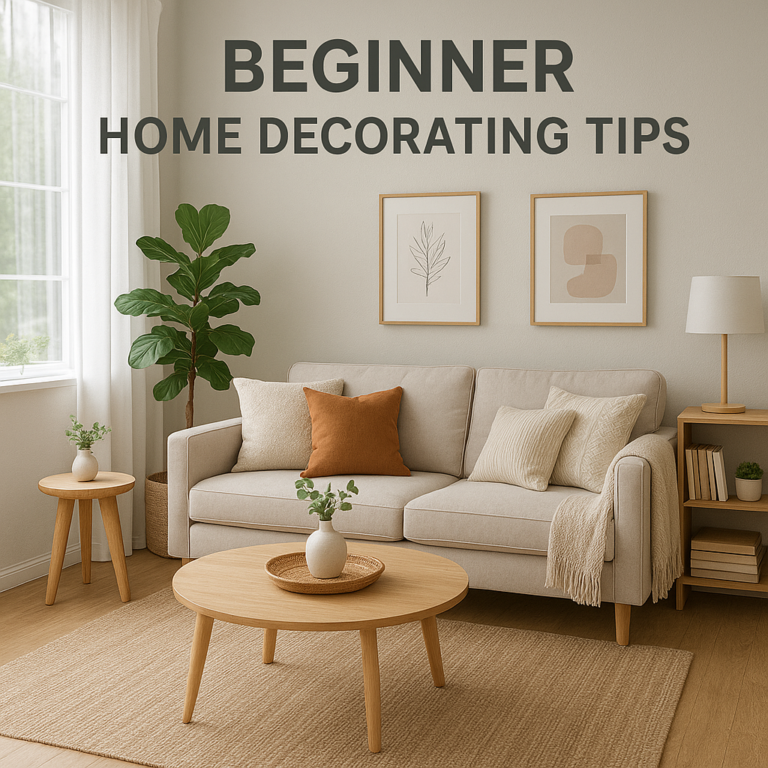
- Start with the Sofa: Choose a classic, timeless color. Avoid trends like “magenta” unless you plan to use slipcovers.
- Add a Coffee Table: Wait to see how you use the space. Do you need a low table for feet-up lounging or a higher table formal gatherings?
- Layer Lighting: Use a mix of floor lamps, table lamps, and overhead lighting.
- Accessorize: Add throw pillows, a cozy blanket, and some art.
Pro Tip: If you have a small living room, use mirrors to create the illusion of space.
2. The Bedroom: Designing a Sanctuary for Sleep
Your bedroom should be a place of rest and rejuvenation.
- Invest in a Great Mattress: This is non-negotiable.
- Choose a Statement Headboard: It sets the tone for the room.
- Keep it Clutter-Free: Use under-bed storage or a dresser to keep clothes out of sight.
- Soft Lighting: Use dimable lamps or sconces for a relaxing atmosphere.
Pro Tip: As Stefanie Mullen suggests, build the room’s tone around a great piece of art or vintage furniture rather than just the mattress.
3. The Kitchen: Balancing Functionality and Style
The kitchen is the most functional room in the house, but it can still be stylish.
- Priority Purchases: Focus on appliances, faucets, and lighting.
- Deferred Purchases: Wait on runner rugs and window treatments until you see how you use the space.
- Add Personality: Use open shelving to display beautiful dishes or cookbooks.
Pro Tip: If you’re on a budget, update your cabinet hardware for an instant refresh.
4. The Bathroom: Elevating Small Spaces with Big Impact
Bathrooms are small, but they can have a huge impact.
- Shower Curtain First: Choose this first to coordinate your towels and accessories.
- High-Quality Fixtures: Invest in a good shower head.
- Storage Solutions: Use baskets and shelves to keep toiletries organized.
Pro Tip: Avoid frestanding shower benches unless you actually plan to use them.
5. The Home Office: Creating a Productive Workspace
With remote work here to stay, your home office needs to be both functional and inspiring.
- Find a Desk You Love: Build the space around it.
- Mix Styles: Don’t feel obligated to match your desk and chair. A black marble desk with a bright pink chair can look amazing.
- Wall Treatment: Add wainscoting or artwork to the wall you face to create a space that feels “empowered, confident, and calm.”
6. The Dining Room: Setting the Table for Memories
Whether you have a formal dining room or a nok, make it inviting.
- Choose the Right Table: Ensure it fits your space and seating needs.
- Lighting: A statement chandelier over the table creates a focal point.
- Comfortable Chairs: Make sure your guests are comfortable.
7. The Entryway: Making a Grand First Impression
Your entryway sets the tone for your entire home.
- Functional Furniture: A console table and a bench are essential.
- Storage: Add hooks for coats and a basket for shoes.
- Mirror: A large mirror makes the space feel bigger and brighter.
8. The Kids’ Room: Growing with Your Little Ones
Kids’ rooms need to be flexible and durable.
- Avoid Themed Furniture: It won’t last. Invest in antique wardrobes or dressers that can grow with your child.
- Versatile Bed: Consider a queen-size bed that can last through the teen years.
- Changeable Decor: Update paint, bedding, and accessories as their tastes change.
9. The Guest Room: Welcoming Visitors in Style
Make your guests feel at home.
- Comfortable Bed: Invest in a good mattress and plenty of pillows.
- Storage: Provide a dresser or closet space for their clothes.
- Thoughtful Touches: Add a water carafe, extra blankets, and a small table for their phone.
10. The Laundry Room: Turning Chores into Chic
Who says laundry rooms can’t be stylish?
- Organization: Use cabinets and shelves to keep supplies hidden.
- Lighting: Good lighting makes the task easier.
- Decor: Add a rug, some art, or a plant to make the space more inviting.
1. The Outdoor Patio: Extending Your Living Space
Your outdoor space is an extension of your home.
- Weather-Resistant Furniture: Choose materials that can withstand the elements.
- Comfortable Seating: Create a cozy lounge area.
- Lighting: String lights or lanterns create a magical atmosphere.
12. The Hallway: Transforming a Thoroughfare into a Gallery
Don’t let your hallway go to waste.
- Artwork: Create a gallery wall with family photos or art.
- Lighting: Use sconces or a statement pendant light.
- Storage: Add a console table or hooks for keys and bags.
13. The Basement: Unlocking Hidden Potential
Basements can be tricky, but they offer endless possibilities.
- Define the Space: Use rugs and furniture to create distinct zones.
- Lighting: Add plenty of light to make the space feel less dungeon-like.
- Moisture Control: Ensure the space is dry and well-ventilated.
14. The Attic: Embracing Quirky Charm
Attics often have unique features like sloped ceilings and dormer windows.
- Maximize Space: Use low-profile furniture to avoid hitting your head.
- Cozy Atmosphere: Add plenty of textiles and warm lighting.
- Functionality: Use it as a reading nok, office, or extra bedroom.
15. The Nook: Carving Out Cozy Corners
Every home needs a cozy nok.
- Location: Find a quiet corner with good natural light.
- Seating: Add a comfortable chair or window seat.
- Accessories: Add a small table, a lamp, and some books.
🛒 Navigating the Best Furniture Stores: From Budget to Luxury
Where should you buy your furniture? It depends on your budget and style.
Budget-Friendly Options
- IKEA: Great for modern, minimalist pieces. Shop IKEA
- Target: Offers trendy, affordable decor and furniture. Shop Target
- Wayfair: Massive selection with frequent sales. Shop Wayfair
Mid-Range Options
- West Elm: Modern, stylish pieces with a focus on quality. Shop West Elm
- Potery Barn: Classic, timeless furniture with a touch of luxury. Shop Potery Barn
- Article: Direct-to-consumer brand offering high-quality, modern furniture. Shop Article
Luxury Options
- Restoration Hardware: High-end, sophisticated furniture. Shop RH
- Crate & Barrel: Classic, durable furniture with a modern twist. Shop Crate & Barrel
- Design Within Reach: Iconic mid-century modern and contemporary designs. Shop DWR
Pro Tip: Don’t be afraid to mix and match stores. A vintage find from a thrift store can look amazing next to a modern piece from West Elm.
🧵 Textiles, Rugs, and Window Treatments: The Soft Touch of Home
Textiles are what make a house feel like a home. They add warmth, texture, and color.
Choosing the Right Rug
- Size Matters: A rug should be large enough to anchor your furniture. In a living room, all front legs of your sofa and chairs should sit on the rug.
- Material: Wool is durable and soft. Synthetic fibers are easier to clean.
- Pattern: Use patterned rugs to add interest to a neutral room.
Window Treatments
- Curtains: Hang them high and wide to make windows look larger.
- Blinds/Shades: Great for light control and privacy.
- Layering: Combine sheer curtains with heavier drapes for versatility.
Pillows and Throws
- Mix Textures: Combine velvet, linen, wool, and faux fur for depth.
- Color: Use your accent color for pillows and throws.
- Size: Use a mix of sizes (18×18, 20×20, lumbar) for visual interest.
💡 Lighting 101: Layering Ambiance, Task, and Accent Lights
Lighting is the most underrated aspect of interior design. It can make or break a room.
The Three Layers of Lighting
- Ambient Lighting: General illumination for the whole room. Think overhead lights or recessed lighting.
- Task Lighting: Focused light for specific activities. Think desk lamps, reading lights, and under-cabinet lighting.
- Accent Lighting: Used to highlight architectural features or artwork. Think track lighting, picture lights, and wall sconces.
Choosing the Right Bulbs
- Color Temperature: Use warm white (270K-30K) for living rooms and bedrooms. Use cool white (350K-40K) for kitchens and bathrooms.
- Brightness: Measure in lumens. A living room needs about 150-30 lumens.
Pro Tip: Use dimer switches to adjust the mood of the room.
🖼️ Wall Art, Mirors, and Accessories: The Finishing Touches
This is where you add your personality.
Wall Art
- Scale: Large art makes a statement. Small art can be grouped together.
- Height: Hang art at eye level (about 57 inches from the floor to the center of the piece).
- Mix Media: Combine paintings, prints, and photographs.
Mirors
- Function: Reflect light and make spaces feel larger.
- Placement: Hang opposite a window to maximize natural light.
Accessories
- Books: Use decorative books to add height and style.
- Plants: Add life and color to any room.
- Sculptures: Add visual interest and texture.
Pro Tip: Don’t overcrowd your shelves. Leave some negative space for the eye to rest.
🌿 Bringing the Outdoors In: Plants and Biophilic Design
Plants are the ultimate decor hack. They improve air quality, reduce stress, and add a pop of green.
Choosing the Right Plants
- Low Light: Snake plants, ZZ plants, and pothos.
- Bright Light: Succulents, fiddle leaf figs, and monstera.
- Pet-Friendly: Spider plants, calatheas, and parlor palms.
Styling with Plants
- Group Them: Create a jungle effect by grouping plants of different heights.
- Use Planters: Choose planters that complement your decor style.
- Hanging Plants: Use hanging planters to save floor space.
Pro Tip: Don’t overwater your plants. Check the soil before watering.
🔨 DIY vs. Hiring a Pro: When to Roll Up Your Sleeves
Should you do it yourself or hire a pro? It depends on your skills, budget, and the complexity of the project.
When to DIY
- Painting: A fresh coat of paint can transform a room.
- Furniture Assembly: Most flat-pack furniture is easy to assemble.
- Simple Decor: Making your own art, sewing pillow covers, or arranging flowers.
When to Hire a Pro
- Structural Changes: Moving walls, adding windows, or changing flooring.
- Electrical/Plumbing: Always hire a licensed professional.
- Complex Design: If you’re overwhelmed or want a cohesive look, a designer can help.
Pro Tip: If you’re on a budget, hire a designer for a one-hour consultation to get a plan, then execute it yourself.
🚚 Moving In and Styling: The Final Countdown Checklist
You’ve bought your furniture, picked your paint, and chosen your art. Now what?
The Moving In Checklist
- Clean the Space: Deep clean before you move in.
- Asemble Furniture: Put together all your furniture before unpacking boxes.
- Unpack Essentials: Unpack kitchen, bathroom, and bedroom items first.
- Style as You Go: Don’t wait until everything is unpacked to start decorating.
- Live in It: Give yourself time to adjust before making final changes.
Pro Tip: Take photos of your empty rooms to help you visualize where furniture will go.
🧠 Common Decorating Mistakes to Avoid Like the Plague
We’ve all been there. Here are the most common mistakes and how to avoid them.
- Buying Everything at Once: Don’t rush. Let your home evolve.
- Ignoring Scale: Make sure your furniture fits the room.
- Skipping the Rug: A rug anchors the room and adds warmth.
- Bad Lighting: Don’t rely on a single overhead light.
- Too Many Trends: Stick to timeless pieces and use trends for accessories.
- Hanging Art Too High: Keep art at eye level.
- Ignoring Function: Make sure your furniture is comfortable and usable.
Pro Tip: If you’re unsure, step back and look at the room from the door. Does it feel balanced?
🔮 Future-Proofing Your Home: Trends vs. Timeless Design
Trends come and go, but timeless design lasts forever. How do you balance the two?
Timeless Design Principles
- Neutral Palette: Use neutral colors for big pieces (sofa, rug, walls).
- Quality Materials: Invest in natural materials like wood, stone, and leather.
- Classic Shapes: Choose furniture with clean, simple lines.
Incorporating Trends
- Accessories: Use trends for pillows, art, and small decor.
- Paint: Try a trendy color on an accent wall or in a small room.
- Textiles: Swap out rugs and curtains to update the look.
Pro Tip: If you love a trend, try it out with a small, inexpensive item first. If you still love it in a year, then invest in a bigger piece.
Conclusion

Furnishing and decorating your home is a journey, not a destination. It’s about creating a space that reflects your personality, supports your lifestyle, and brings you joy. Remember to measure twice, budget wisely, and live in your space before making final decisions.
Don’t be afraid to mix styles, shop secondhand, and DIY your way to a beautiful home. And most importantly, enjoy the process! As Wendy Labrum said, “Enjoy the process of learning how you live in the space.”
If you’re feeling overwhelmed, remember that you don’t have to do it all at once. Start with the essentials, and let your home grow with you.
Ready to transform your home? Check out our Home Decor Shopping Guides for more tips and tricks.
🔗 Recommended Links
Furniture & Decor
- Sofas: Shop Sofas on Amazon | Shop Sofas on Wayfair | Article Official Website
- Rugs: Shop Rugs on Amazon | Shop Rugs on Wayfair | Ruggable Official Website
- Lighting: Shop Lighting on Amazon | Shop Lighting on Wayfair | West Elm Official Website
- Wall Art: Shop Wall Art on Amazon | Shop Wall Art on Etsy | Society6 Official Website
Books
- The Home Edit: A Step-by-Step Guide to Organizing Your Home
- Living Beautifuly: A Guide to Creating a Home You Love
- Homebody: A Guide to Creating Spaces You Never Want to Leave
❓ FAQ: Your Burning Questions Answered

What are some tips for mixing and matching different furniture styles in my home?
Mixing styles is all about finding common ground. Look for shared elements like color, material, or shape. For example, a mid-century modern chair can work in a farmhouse room if they share a similar wood tone. Use a neutral palette to tie everything together, and let one style dominate while the other plays a supporting role.
How can I add texture and pattern to my home’s decor without overwhelming the space?
Start small. Add texture through textiles like throw pillows, blankets, and rugs. Use pattern in small doses, like a single accent wall or a patterned rug. Mix different textures (velvet, linen, wool) to create depth without adding too much visual noise.
What are some popular home decor trends that I should consider?
Current trends include biophilic design (bringing nature indoors), maximalism (more is more), and sustainable materials. However, trends change quickly. Focus on timeless pieces and use trends for accessories.
Read more about “What Decorations Can I Put in My Room? 25 Creative Ideas to Try! 🎨”
How do I choose a color scheme for my home’s interior?
Start with the 60-30-10 rule. Choose a dominant color (60%), a secondary color (30%), and an accent color (10%). Look at your existing furniture and flooring for inspiration. If you’re unsure, stick to neutrals and add color with accessories.
Read more about “15 DIY Home Decor Hacks to Transform Your House (2026) 🏡✨”
What are the best ways to decorate a small living space on a budget?
Use mirrors to make the space feel larger. Choose multi-functional furniture (like an ottoman with storage). Keep the color palette light and airy. Shop secondhand for unique, affordable pieces.
Read more about “🏠 What Order Do You Decorate Your House? The 13-Step Guide (2026)”
How can I determine my personal decorating style for my home?
Create a mood board with images of rooms you love. Look for patterns in the styles, colors, and materials. Ask yourself what makes you feel comfortable and happy in a space.
Read more about “🏠 How to Decorate and Furnish a Home: The 2026 Ultimate Guide”
What are the essential furniture pieces for a first-time homeowner to buy?
Focus on the sofa, mattress, dining table, and bed frame. These are the pieces you use every day. You can add other furniture later as your budget allows.
How to professionally decorate your home?
If you want a professional look, consider hiring a designer for a consultation. They can help you create a cohesive plan, choose the right pieces, and avoid costly mistakes.
Read more about “🏠 What to Do First When Decorating a House: The 12-Step Master Plan (2026)”
How to begin decorating your home?
Start by measuring your space and creating a floor plan. Decide on a style and color scheme. Then, prioritize your purchases, starting with the essentials.
Read more about “15 Simple Home Decor Tricks to Look Expensive (2026) 🏡✨”
How to furnish and decorate a new home?
Take your time. Don’t rush to fill every space. Start with the essentials, and let your home evolve over time.
Read more about “15 Simple Ways to Decorate Your House in 2026 🏠✨”
What is the best way to furnish a house?
Focus on quality over quantity. Invest in timeless pieces that will last for years. Use trends for accessories that can be easily swapped out.
Read more about “🏠 The Ultimate Furniture for New House Checklist (2026): 7 Rooms, 50+ Essentials”
How do I plan my house decor and furniture?
Measure your space, create a floor plan, and decide on a style. Then, prioritize your purchases and stick to your budget.
Read more about “How do I plan my house decor and furniture?”
📚 Reference Links
- Architectural Digest: How to Furnish Your Home Inexpensively
- Stevie Storck: How to Furnish Your First Home Without Going into Debt
- IKEA Official Website
- Wayfair Official Website
- West Elm Official Website
- Potery Barn Official Website
- Article Official Website
- Restoration Hardware Official Website
- Crate & Barrel Official Website
- Design Within Reach Official Website
- Ruggable Official Website
- Society6 Official Website