Support our educational content for free when you purchase through links on our site. Learn more
15 Simple Ways to Decorate Your House in 2026 🏠✨

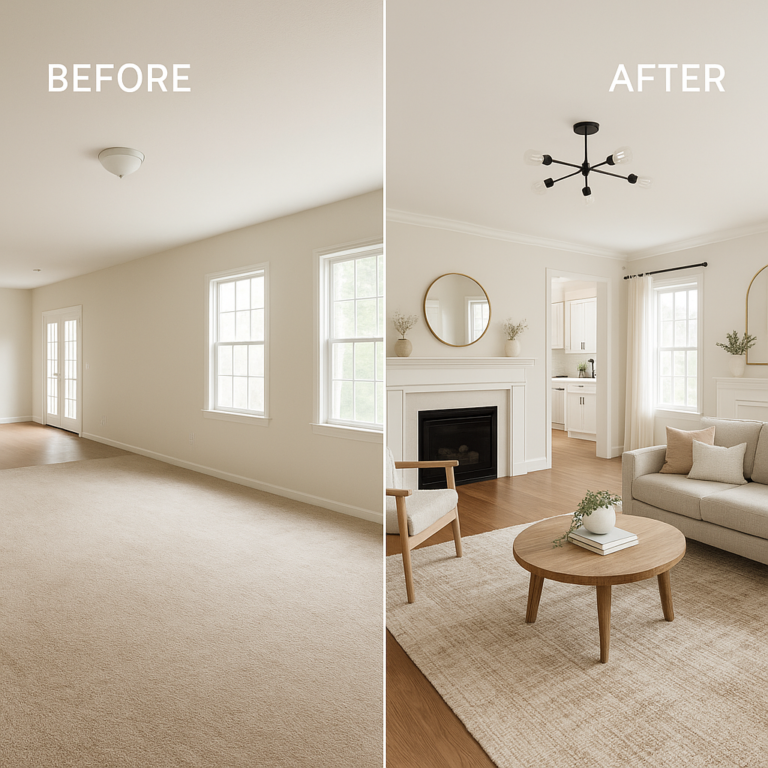
Ever walked into a room that felt perfectly styled, only to realize it was decorated with nothing more than a thrifted vase, a well-placed lamp, and a dash of confidence? We have. In fact, one of our most memorable transformations at Home Decorations™ involved a client who thought she needed a full renovation. Instead, we simply rearranged her furniture, added a few indoor plants, and swapped out the harsh overhead lighting for warm, layered lamps. The result? A space that felt like a five-star hotel, achieved with a budget that barely covered a single new sofa.
If you’ve been scrolling through Pinterest wondering how to decorate your house with simple things without breaking the bank or spending months on a project, you are in the right place. We are about to reveal 15 simple ways to transform your home that go far beyond the standard “add a plant” advice. From the surprising power of pattern-drenching awkward angles to the secret of floating furniture for better flow, this guide covers every angle of simple, impactful design. Whether you are a minimalist seeking calm or a maximalist craving color, the secret lies not in how much you buy, but in how intentionally you arrange what you already have.
Ready to stop guessing and start designing? Let’s dive into the strategies that will turn your house into a home you never want to leave.
Key Takeaways
- Intention Over Expense: You don’t need a massive budget to create a stunning home; strategic editing and thoughtful placement of existing items often yield better results than buying new.
- Lighting is the Game-Changer: Swapping out harsh overhead lights for layered lighting (ambient, task, and accent) can instantly elevate a room’s mood and perceived value.
- Embrace the Awkward: Instead of hiding weird architectural noks or slanted ceilings, highlight them with bold paint or wallpaper to create unique focal points.
- Texture Creates Depth: Mixing natural and manmade materials (like wood and brass, or linen and glass) adds a multidimensional feel that prevents simple decor from looking flat.
- The Power of Greenery: Incorporating biophilic design with strategic plant placement improves air quality and adds an instant organic pop of color to any neutral space.
Table of Contents
- ⚡️ Quick Tips and Facts
- 🏛️ A Brief History of Simple Home Decor: From Minimalism to Maximalism
- 🎨 15 Simple Ways to Transform Your Home Without Breaking the Bank
- 1. Rethink Your Color Palette for Instant Impact
- 2. Let Your Plants Shine with Strategic Greenery
- 3. Clear the Closet to Reveal Hidden Potential
- 4. Cocoon Your Space with Textured Curtains
- 5. Play With Lighting Shapes and Fixtures
- 6. Make Your Bookshelf a Curated Gallery
- 7. Layer Your Rugs for Depth and Warmth
- 8. Embrace Awkward Architecture with Style
- 9. Frame an Alcove to Create a Focal Point
- 10. Try Different Furniture Layouts for Better Flow
- 1. Use a Banquette for Cozy, Space-Saving Diners
- 12. Pattern Drench Awkward Angles and Corners
- 13. Combine Storage Types for Clutter-Free Living
- 14. Mix Natural and Manmade Materials for Balance
- 15. Have Fun With Functional Spaces and Multi-Use Areas
- 🛠️ DIY Decor Hacks: Simple Projects for Weekend Warriors
- 🌿 The Power of Biophilic Design: Bringing the Outdoors In
- 💡 Lighting 101: How to Set the Mood with Simple Swaps
- 🖼️ Wall Art on a Budget: Framing and Displaying Like a Pro
- 🛋️ Textile Magic: Pillows, Throws, and Rugs That Change Everything
- 🧹 Decluttering Strategies: The First Step to Simple Decor
- 🏠 Small Space Solutions: Decorating Tiny Homes with Big Style
- 🎭 Let Character Shine: Infusing Personality into Neutral Spaces
- 🌈 Try a Bold Palette: When Simple Mets Statement
- 🪵 Paint the Floors: An Unexpected Simple Upgrade
- 📐 Don’t Forget the Floor: Rugs, Mats, and Finishes
- 📚 Readers Also Read: More Inspiration for Your Home Journey
- 🔗 Find More Home Inspiration Here
- ✅ Conclusion
- 🔗 Recommended Links
- ❓ FAQ: Your Simple Decor Questions Answered
- 📖 Reference Links
⚡️ Quick Tips and Facts
Before we dive into the deep end of design theory, let’s get the “cheat codes” out of the way. You don’t need a degree interior design or a trust fund to make your home look like it belongs in a magazine. In fact, some of the most stunning spaces we’ve styled at Home Decorations™ started with nothing but a roll of painter’s tape, a thrift store find, and a whole lot of attitude.
Here is the lowdown on simple decor that packs a punch:
- The 60-30-10 Rule: This isn’t just a math problem; it’s the golden ratio of color. Use 60% of a dominant color, 30% of a secondary color, and 10% of an accent color. It creates instant harmony without you having to guess.
- Lighting is Everything: A $20 lamp can do more for a room than a $2,0 sofa if the lighting is right. Always aim for layered lighting (ambient, task, and accent).
- The “Float” Factor: Pushing furniture against the wall is a rookie mistake. Floating your furniture creates a sense of flow and makes the room feel larger.
- Greenery is Non-Negotiable: Plants add life, texture, and color instantly. Even a single Snake Plant in a corner can change the entire vibe of a room.
- Edit Ruthlessly: If you haven’t used it in a year, it’s not decor; it’s clutter. Decluttering is the first step to decorating.
Pro Tip: Want to see how these simple tricks add up to a luxury look? Check out our deep dive into 15 Simple Home Decor Tricks to Look Expensive (2026) 🏠✨.
🏛️ A Brief History of Simple Home Decor: From Minimalism to Maximalism

You might think “simple decor” is a modern buzzword, but the philosophy of “less is more” has been around longer than your favorite Instagram aesthetic. Let’s take a quick trip down memory lane to understand why simplicity works so well today.
The Rise of Minimalism
In the mid-20th century, the Bauhaus movement and architects like Ludwig Mies van der Rohe championed the idea that form should follow function. The goal was to strip away the unnecessary, leaving only what was essential. This wasn’t about being cold; it was about clarity.
Fast forward to the 190s and 20s, and we saw the rise of “Scandi” style—light woods, neutral palettes, and cozy textures (think Hygge). This era proved that simple doesn’t mean sterile. It means intentional.
The Pendulum Swings: Maximalism Returns
But wait! If less is more, why are we seeing so much pattern and color? Because design is a pendulum. As we’ve moved into the 2020s, maximalism has made a comeback. The key difference? Modern maximalism is curated, not cluttered. It’s about mixing patterns and textures with purpose, not just filling every inch of wall space.
Why Simple Still Wins
Despite the trends, the core principle remains: Simplicity creates calm. In a world that is constantly noisy, your home should be a sanctuary. Whether you lean towards the clean lines of minimalism or the bold patterns of maximalism, the secret lies in editing. As the design philosophy at Stone Gable suggests, “Less is Best” isn’t about deprivation; it’s about giving your favorite pieces the space to breathe.
Question: Do you think your home feels more like a museum or a warehouse? We’ll help you find the balance later in this guide!
🎨 15 Simple Ways to Transform Your Home Without Breaking the Bank
Ready to roll up your sleeves? Here are 15 actionable, budget-friendly strategies to elevate your space. We’ve numbered these because they are the core tactics you can implement this weekend.
1. Rethink Your Color Palette for Instant Impact
You don’t need to repaint the whole house to change the vibe. Start by extracting colors from a piece of art, a rug, or even a favorite throw pillow.
- The Trick: If you have a floral rug with deep greens and burnt oranges, use those as your accent colors for throw pillows and curtains.
- Why it works: It creates a cohesive palette that feels designed, not random.
- Brand Tip: Look for paint swatches from Benjamin Moore or Sherwin-Williams that match your existing textiles.
2. Let Your Plants Shine with Strategic Greenery
Plants are the ultimate biophilic design element. They purify the air and add a pop of organic color.
- Placement: Don’t just put them on the floor. Use hanging planters for vertical interest or group them on a windowsill for a “jungle” effect.
- Low Maintenance: If you kill every plant you touch, try a ZZ Plant or a Pothos. They thrive on neglect!
- Brand Tip: Check out The Sill or Blomscape for delivery of healthy, pest-free plants.
3. Clear the Closet to Reveal Hidden Potential
We’ve all been there: a closet so full you can’t open the door. But a cluttered closet often leads to a cluttered room.
- The Strategy: Remove everything. Keep only what you love and use. Donate the rest.
- The Upgrade: Install a simple tension rod for extra hanging space or add a basket system for shoes.
- Insight: As designer MA Allen suggests, treat utilitarian spaces like closets with the same design intent as living rooms. A colorful interior or “jewelry-like” hardware can turn a chore into a joy.
4. Cocoon Your Space with Textured Curtains
Windows are often the eyes of the room, but they can also be the biggest eyesores if they’re bare or covered in cheap blinds.
- The Hack: Hang curtains 3 inches above the window casing and let them pool slightly on the floor. This tricks the eye into seeing higher ceilings.
- Texture Matters: Swap out flat cotton for linen or velvet to add depth.
- Brand Tip: IKEA offers great budget-friendly linen blends, while West Elm has stunning textured options.
5. Play With Lighting Shapes and Fixtures
Lighting is the jewelry of the home. A boring ceiling light can ruin a great room, but a statement fixture can save a boring one.
- The Swap: Replace a standard flush-mount with a geometric pendant or a sputnik chandelier.
- Layering: Add table lamps and floor lamps to create pools of light rather than one harsh overhead glare.
- Brand Tip: Look for unique shapes at Target or Hobby Lobby, or go vintage on Etsy.
6. Make Your Bookshelf a Curated Gallery
Your bookshelf shouldn’t just be a storage unit; it should be a storyteller.
- The Method: Mix vertical and horizontal stacks. Add art prints, small sculptures, and plants.
- The Rule: Leave some negative space. Don’t fill every inch.
- Quote: As celebrity chef Alex Hitz said, “The room doesn’t get a lot of light, so I decided to make it cozy and turned it into an English-style portrait room, which is ridiculous but fun.”
7. Layer Your Rugs for Depth and Warmth
A single rug can feel flat. Layering adds texture and defines zones.
- The Formula: Start with a large, neutral jute or sisal rug as the base. Layer a smaller, patterned rug (like a vintage Persian or a modern geometric) on top.
- Why it works: It adds visual weight and makes the room feel grounded.
- Brand Tip: Ruggable offers washable layering options, while Anthropologie has unique vintage-style layers.
8. Embrace Awkward Architecture with Style
That weird nok? That slanted ceiling? Don’t hide it; highlight it.
- The Strategy: Use wallpaper or bold paint to turn an awkward angle into a focal point.
- Example: In a turret, install bookcases on every angle to create a cozy library.
- Designer Insight: Wendy Labrum notes that “pattern-drenching” awkward angles is a “one-and-done” approach that makes a major visual impact.
9. Frame an Alcove to Create a Focal Point
Alcoves are often wasted space. Turn them into mini-rooms.
- The Idea: Paint the inside of the alcove a bold color or apply wallpaper. Add a small chair or a reading lamp.
- Result: It becomes a cozy reading nok or a display case for your favorite treasures.
- Brand Tip: Use Farrow & Ball or Behr for high-quality paint that covers well in small spaces.
10. Try Different Furniture Layouts for Better Flow
Is your room feeling stuck? Move the furniture!
- The Experiment: Try floating the sofa in the middle of the room instead of pushing it against the wall.
- The Layout: Create a U-shape or H-shape to encourage conversation.
- Pro Tip: Ensure there’s at least 18 inches between the sofa and coffee table for easy passage.
1. Use a Banquette for Cozy, Space-Saving Diners
Dining rooms are often underutilized. A banquette (built-in bench seating) can transform a corner into a cozy dining spot.
- The Benefit: It saves space and allows for more flexible seating than individual chairs.
- DIY Option: Build a simple bench with storage underneath and add thick cushions.
- Brand Tip: Look for IKEA KALLAX units to build a custom banquette base.
12. Pattern Drench Awkward Angles and Corners
If you have a weird ceiling line or a difficult corner, drench it in pattern.
- The Technique: Use wallpaper that matches the ceiling and walls to blur the lines.
- Why it works: It distracts from the architecture and creates a maximalist feel without overwhelming the whole room.
- Brand Tip: Spoonflower offers custom wallpaper you can order by the roll.
13. Combine Storage Types for Clutter-Free Living
Open shelving is pretty, but closed storage is practical.
- The Mix: Combine open shelves for display with closed cabinets or baskets for the “ugly stuff.”
- The Goal: Keep appliances and tools hidden to maintain a chef-worthy kitchen.
- Brand Tip: The Container Store has endless solutions for customizing storage.
14. Mix Natural and Manmade Materials for Balance
A room full of wood feels warm but can feel heavy. A room full of metal feels cool but can feel sterile.
- The Balance: Pair stone (natural) with brass (manmade). Pair linen (natural) with glass (manmade).
- Why it works: It creates a multidimensional space that feels personalized and balanced.
15. Have Fun With Functional Spaces and Multi-Use Areas
Your home should work for you, not the other way around.
- The Idea: Turn a spare bedroom into a home office by day and a guest room by night.
- The Trick: Use a daybed or a sofa bed to maximize functionality.
- Insight: As Michael Ellison suggests, use multiple tables that can be pushed together for parties or separated for intimate meals.
🛠️ DIY Decor Hacks: Simple Projects for Weekend Warriors
Sometimes the best decor is the stuff you make yourself. Here are a few DIY projects that require minimal tools but deliver maximum impact.
The “Faux” Gallery Wall
- What you need: Cardboard, paint, and double-sided tape.
- The Hack: Cut cardboard into the shapes of your frames, paint them, and tape them to the wall. Live with the layout for a week. If you love it, buy the real frames. If not, you haven’t spent a dime!
- Quote: “Always go bigger,” says one of our favorite DIYers. Don’t be afraid of large-scale art.
The Painted Floor Wash
- What you need: Chalk paint and a sponge.
- The Hack: Give your hardwood floors a wash of color tone them down or add a pop of hue. It’s a temporary, low-commitment way to change the floor’s look.
- Brand Tip: Rust-Oleum makes excellent floor paints that are durable and easy to apply.
The Thrifted Frame Upgrade
- What you need: Spray paint and new hardware.
- The Hack: Buy a cheap wooden frame at a thrift store, spray paint it mate black or gold, and swap the hardware. Instant designer look!
- Brand Tip: Krylon and Rust-Oleum have great metallic finishes.
🌿 The Power of Biophilic Design: Bringing the Outdoors In
Biophilic design isn’t just a buzzword; it’s a science-backed way to improve your well-being. By connecting with nature, you reduce stress and boost creativity.
Key Elements of Biophilic Design
- Natural Light: Maximize it! Remove heavy drapes and use sher curtains.
- Natural Materials: Use wood, stone, and bamboo in your decor.
- Plants: As mentioned earlier, plants are essential.
- Views: If you can’t see nature from your window, bring it in with nature photography or botanical prints.
The “Green” Impact
Studies show that being around plants can lower blood pressure and improve mood. So, that Monstera you bought isn’t just decor; it’s a health investment!
💡 Lighting 101: How to Set the Mood with Simple Swaps
Lighting is the secret weapon of interior design. It can make a room feel cozy, dramatic, or spacious.
The Three Layers of Lighting
- Ambient: The general light (ceiling fixtures).
- Task: Light for specific activities (reading lamps, under-cabinet lights).
- Accent: Light to highlight features (picture lights, spotlights).
Simple Swaps
- Change the Bulbs: Switch to warm white (270K-30K) for a cozy feel.
- Add Dimers: Install dimer switches to control the mood.
- Use Mirors: Place a mirror perpendicular to a window to bounce light around the room.
Pro Tip: Never shine a light directly on a mirror. Light your face, neck, and hair brightly and evenly. As designer Francesca Betridge says, “Light your face, not the mirror.”
🖼️ Wall Art on a Budget: Framing and Displaying Like a Pro
You don’t need to spend a fortune on art to have a gallery-worthy wall.
Sourcing Art
- Prints: Sites like Society6 and Etsy offer high-quality prints for a fraction of the cost of originals.
- DIY: Frame fabric scraps, postcards, or even pages from old books.
- Thrift Stores: Look for frames and re-purpose them with new art.
Hanging Tips
- Height: The center of the artwork should be at eye level (about 57-60 inches from the floor).
- Spacing: Keep pictures 2 to 4 inches apart. Don’t space them too far apart.
- Scale: Use one oversize piece for a large wall, or a gallery-style grouping for smaller walls.
🛋️ Textile Magic: Pillows, Throws, and Rugs That Change Everything
Textiles are the easiest way to add texture and color to a room.
The Pillow Rule
- Mix Sizes: Use a mix of 18″, 20″, and 24″ pillows.
- Mix Textures: Velvet, linen, wool, and faux fur.
- The Odd Number: Always use an odd number of pillows (3 or 5) for a more dynamic look.
The Throw Blanket
- Placement: Drape a throw over the arm of a sofa or the foot of a bed.
- Color: Use it to introduce an accent color.
🧹 Decluttering Strategies: The First Step to Simple Decor
You can’t decorate a cluttered room. Decluttering is the foundation of simple decor.
The 50% Rule
- The Strategy: Whittle down your shelf contents by 50%.
- The Method: Mix horizontal book stacks with vertical rows and intersperse decorative objects.
- The Result: A cleaner, more organized space that feels calm.
Professional Help
- Cost: The average cost to hire a professional declutter is around $52 per project or $5–$10 per hour.
- DIY: If you’re on a budget, start with the “one-in, one-out” rule.
🏠 Small Space Solutions: Decorating Tiny Homes with Big Style
Small spaces require smart design. Here’s how to make them feel bigger.
Visual Tricks
- Vertical Lines: Use vertical stripes or tall bookcases to draw the eye up.
- Mirors: Lean a large mirror against a wall to create the illusion of depth.
- Light Colors: Paint walls and ceilings in light, neutral colors to reflect light.
Furniture Choices
- Multi-Functional: Use ottomans with storage, sofa beds, and nesting tables.
- Legy Furniture: Choose furniture with exposed legs to show more floor space.
🎭 Let Character Shine: Infusing Personality into Neutral Spaces
A neutral palette doesn’t have to be boring. It’s the perfect canvas for personality.
How to Add Character
- Unique Finds: Display vintage items, travel souvenirs, or heirloms.
- Bold Accents: Use a bold palette for accessories like pillows, rugs, or art.
- Original Details: Don’t cover up original architectural details like stained-glass windows or moldings.
Question: What’s the one item in your home that tells a story? We bet it’s the most interesting piece in the room!
🌈 Try a Bold Palette: When Simple Mets Statement
Who says simple has to be boring? A monochromatic or bold palette can be just as simple as a neutral one.
The Strategy
- Color Drenching: Paint the walls, trim, and even the ceiling the same color.
- The Effect: It creates a cohesive and dramatic look.
- Example: A sunshine yellow mudroom color-drenched in cheerful hues.
Brand Tip
- Benjamin Moore and Farrow & Ball offer rich, saturated colors that look stunning in a monochromatic scheme.
🪵 Paint the Floors: An Unexpected Simple Upgrade
We mentioned this earlier, but it’s worth repeating. Painting the floors is a game-changer.
The Process
- Prep: Clean and sand the floor.
- Paint: Use a durable floor paint.
- Finish: Apply a clear coat for protection.
The Result
A fresh, new look that can completely transform a room without the cost of new flooring.
📐 Don’t Forget the Floor: Rugs, Mats, and Finishes
The floor is the foundation of your room. Don’t neglect it.
Rug Placement
- Anchor: All four legs of the sofa and chairs should rest on the rug.
- Minimum: At least the front two legs of the sofa and chairs must rest on the rug.
- Size: Even in smaller living rooms, use an 8-by-10-foot or 9-by-12-foot rug.
Mats and Finishes
- Entryway: Use a durable mat to catch dirt.
- Kitchen: Use a runner to add comfort and style.
📚 Readers Also Read: More Inspiration for Your Home Journey
If you’re loving these simple decor ideas, you’ll want to check out these related articles:
🔗 Find More Home Inspiration Here
Need more ideas? Explore our full collection of articles on Home Decorations™ for endless inspiration.
✅ Conclusion

So, there you have it! Decorating your home with simple things isn’t about buying the most expensive items or following the latest trends. It’s about intention, editing, and creativity. Whether you’re embracing the “Less is Best” philosophy or diving into a bold, maximalist palette, the key is to make your home a reflection of you.
Remember, the best decor is the kind that makes you feel calm, inspired, and at home. So, go ahead and try one of these simple tricks this weekend. You might be surprised at how much of a difference a little rearranging, a new plant, or a bold paint color can make.
And to answer that question we posed earlier: Is your home a museum or a warehouse? With these tips, it can be a sanctuary that tells your unique story. Happy decorating!
🔗 Recommended Links
Ready to get started? Here are some of our favorite products and resources to help you on your journey:
- Paint: Benjamin Moore Paints | Sherwin-Williams Paints
- Plants: The Sill | Blomscape
- Rugs: Ruggable | Anthropologie Rugs
- Lighting: Target Lighting | West Elm Lighting
- Books: The Home Edit: A Guide to Organizing and Realizing Your House Goals | House Beautiful: Decorating with Less
❓ FAQ: Your Simple Decor Questions Answered

How do you decorate with minimal effort?
Decorating with minimal effort is all about strategic swaps. Start by decluttering, then focus on lighting and textiles. A new throw blanket, a few plants, and a change of lighting can transform a room without a single hammer swing.
Read more about “How Can I Decorate My Home Easily? 15 Genius Tips for 2026 🎨”
How can I decorate my room with simple things at home?
Look around your house first! Repurpose items you already own. Move a lamp from the bedroom to the living room, use a vintage tray as a coffee table centerpiece, or frame a postcard you love. Creativity is your best tool.
Read more about “15 Simple Home Decor Tricks to Look Expensive (2026) 🏡✨”
What are some cheap DIY home decor ideas?
- Painted Furniture: Give old furniture a fresh coat of paint.
- DIY Art: Create your own art using canvas and acrylics.
- Upcycled Frames: Spray paint thrift store frames for a custom look.
- Fabric Wall Art: Frame a beautiful piece of fabric or wallpaper.
Read more about “🏠 What to Do First When Decorating a House: The 12-Step Master Plan (2026)”
How can I make my house look expensive on a budget?
- Lighting: Upgrade your light fixtures.
- Hardware: Replace cheap cabinet knobs and drawer pulls.
- Textiles: Invest in high-quality linens and throws.
- Plants: Add lush greenery to bring life to the space.
Read more about “🏠 The Ultimate Furniture for New House Checklist (2026): 7 Rooms, 50+ Essentials”
What are the best simple home decor trends for 2024?
- Biophilic Design: Bringing nature indoors.
- Warm Neutrals: Moving away from cool grays to warm beiges and creams.
- Maximalist Accents: Bold patterns and colors in small doses.
- Sustainable Materials: Using reclaimed wood and recycled materials.
Read more about “🌊 15 Coastal Grandmother Style Decor Secrets for 2026”
How do I style a room with minimal furniture?
- Focus on Quality: Choose a few high-quality pieces.
- Use Negative Space: Let the empty space breathe.
- Add Texture: Use rugs, pillows, and throws to add warmth.
- Lighting: Use lighting to define zones and create interest.
Read more about “🏠 How to Decorate and Furnish a Home: The 2026 Ultimate Guide”
📖 Reference Links