Support our educational content for free when you purchase through links on our site. Learn more
15 Earthy Color Palettes for Interiors That Feel Like Home (2026) 🌿

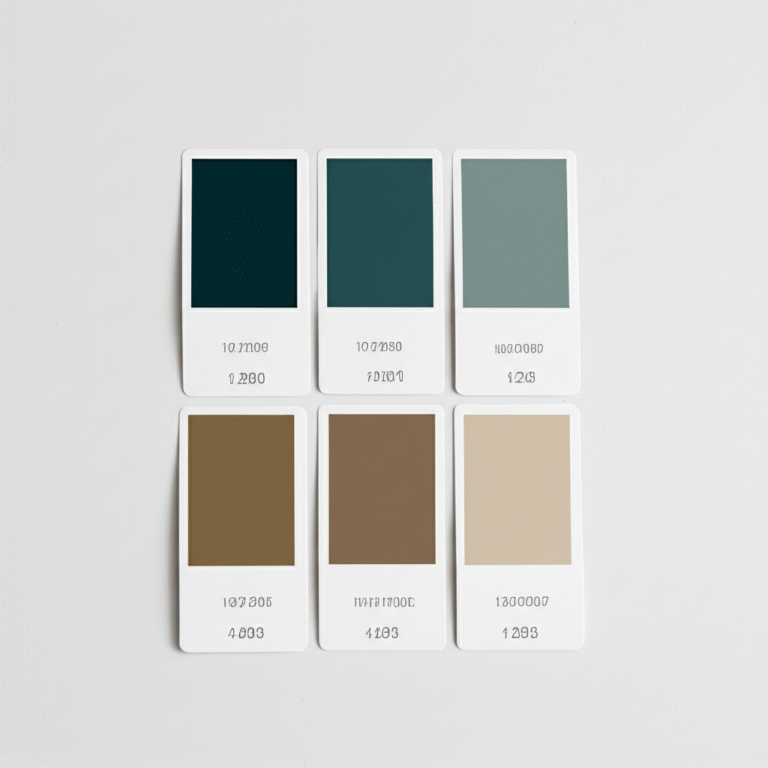
Forget the beige boredom; the secret to a home that feels instantly grounded is mastering earthy color palettes for interiors that blend warm terracottas, cool sages, and rich umbers. These aren’t just “safe” choices; they are scientifically proven to lower cortisol levels and create a sanctuary that feels like a warm hug from the earth itself.
We once watched a client transform a sterile, all-white apartment into a mody, inviting retreat by simply swapping cool grays for deep olive and burnt sienna. The room didn’t just look better; it felt different, as if the air itself had thickened with comfort.
Did you know that humans have used ochre and clay pigments for over 30,0 years to paint our shelters? We are hardwired to find these colors soothing because they signal safety and belonging.
Key Takeaways
- Earth tones are defined by brown pigment, creating a natural harmony that prevents colors from clashing.
- Texture is non-negotiable; layer leather, jute, and velvet to keep muted palettes from feeling flat.
- Balance warm and cool tones using a 70/30 split to avoid a “muddy” or conflicted look.
- Timeless over trendy: These palettes outlast fleeting fads, making them a smart long-term investment.
- Start with the 15 curated combinations in this guide to find your perfect match, from “Botanical Bliss” to “Mody Forest.”
Table of Contents
- ⚡️ Quick Tips and Facts
- 🌿 The Roots of Earthy: A Brief History of Natural Color in Interiors
- 🎨 Defining the Spectrum: What Actually Counts as an Earth Tone?
- 🏡 15 Curated Earthy Color Palettes to Transform Your Space
- 1. The Classic Trio: Camel, Brown, and Ivory
- 2. Cool Contrast: Soft Blue, Brass, and Walnut
- 3. Nautical Warmth: Navy, Cognac, and Beige
- 4. Desert Bloom: Soft Coral, French Blue, and Brown
- 5. Botanical Bliss: Sage, Clay, and Ivory
- 6. Dramatic Depth: Crimson, Cognac, and White
- 7. Moody Forest: Forest Brown, Black, and Olive
- 8. Muted Elegance: Soft Neutrals and Dusty Mauve
- 9. Organic Harmony: Gray, Green, and Brown
- 10. Spiced Warmth: Cognac, Ivory, and Terracotta
- 1. Zesty Grounding: Rust, White, and Pops of Lime
- 12. Citrus Sunset: Lemon, Marigold, and Neutrals
- 13. Rich & Refined: Charcoal and Chocolate
- 14. Winter Woods: Evergreen, Winter White, and Oxblood
- 15. Autumnal Comfort: Late and Spiced Red
- 🛋️ Beyond the Basics: Advanced Earthy Combinations
- Deep Navy and Terracotta: A Bold Statement
- Rust and Mustard: The Ultimate Warmth Duo
- Black, Ivory, and Ochre: High-Contrast Earth
- Navy, Off-White, and Burnt Orange: Modern Edge
- Shades of Sage: From Pale to Deep
- Navy, Gray, and Pine: Coastal Mets Cabin
- Olive and Bronze: Metallic Earth Tones
- Brown, Pumpkin, and Leaf Green: Harvest Vibes
- Dusty Blush and Taupe: Soft Romantic Earth
- Emerald, British Tan, and Wheat: Luxe Naturalism
- Shades of Greige: The Chameleon of Earth Tones
- Olive and Fawn: Subtle Sophistication
- The Perfect Pop: Coral in an Earthy Room
- Shades of Brown: It’s Not Just One Color
- Golden Hour: Capturing Light in Earth Tones
- Sage, Ivory, and Light Oak: Scandinavian Earth
- Coastal Blues: When the Ocean Mets the Earth
- Navy and Brick: Industrial Earth
- The Unexpected Pop: Orange in Earthy Spaces
- Evergreen, Dusty Pink, and Ochre: A Modern Twist
- 🖌️ How to Use an Earth-Toned Palette in Your Own Space
- 🤔 Want Help Finding the Right Palette for Your Home?
- ❓ Frequently Asked Questions
- 📚 Related Reading with Links
- ✅ Conclusion
- 🔗 Recommended Links
- 📖 Reference Links
⚡️ Quick Tips and Facts
Before we dive headfirst into the world of terracotta, sage, and ochre, let’s hit the pause button and grab a cup of something warm (maybe a spiced latte? 🍂). You might think “earthy” just means “boring beige,” but we’re here to tell you that’s a massive misconception.
Here are the non-negotiable truths about earthy color palettes that every decorator at Home Decorations™ swears by:
- The Brown Pigment Rule: According to lead designers, if a color has brown pigment mixed in, it’s an earth tone. This is the secret sauce that makes them play nice together. Unlike neon brights that scream at each other, earth tones whisper in harmony.
- The 70/30 Split: Want to mix warm (rust, camel) and cool (sage, slate) tones? Don’t go 50/50. That looks like a fashion emergency. Aim for 70% dominant temperature and 30% accent. It keeps the room from looking “conflicted.”
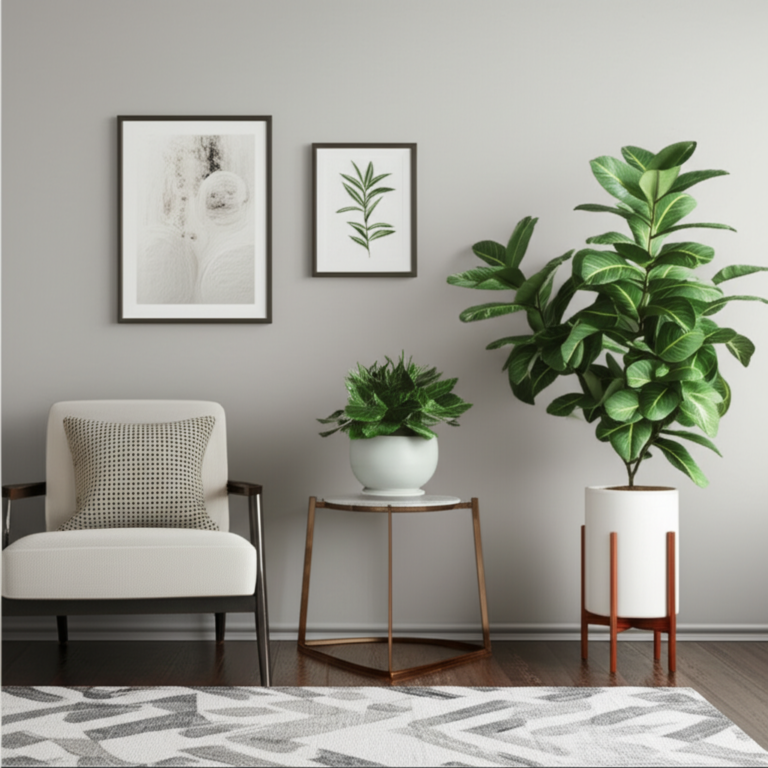
- Texture is King: You can have the most perfect palette, but if your room is flat, it feels cheap. Texture is essential. Layer leather, jute, velvet, and wool to make those muted colors pop.
- Timelessness: While “Color of the Year” trends come and go like bad exes, earthy palettes don’t expire. They are the “little black dress” of interior design.
- The “Three” Rule: Most balanced rooms use three colors plus a neutral base. More than three, and it’s a circus; fewer, and it feels like a waiting room.
Did you know? The psychological effect of earth tones is profound. They trigger a “cocooning effect,” lowering cortisol levels and making your home feel like a warm hug. 🧸
If you’re wondering how to start without painting your whole house, stick around. We’ll get to the “How-To” later, but first, let’s look at where these colors come from.
🌿 The Roots of Earthy: A Brief History of Natural Color in Interiors

You might think earthy tones are the new “it” thing because of Instagram, but these colors have been the backbone of human shelter since we stopped living in caves (and even then, were using ochre!).
From Caves to Castles
For millennia, humans painted with what the earth gave us. Ochre, umber, and sienna weren’t just aesthetic choices; they were the only choices. Early humans mixed clay, crushed berries, and animal fats to create pigments that mirrored their surroundings. This wasn’t just about survival; it was about belonging.
Fast forward to the 18th and 19th centuries, and the Industrial Revolution introduced synthetic dyes. Suddenly, we had electric blues and neon pinks. But guess what? The wealthy and the artistic often retreated back to natural pigments for a sense of authenticity.
The Mid-Century Modern Shift
In the 1950s and 60s, designers like Ray and Charles Eames and Florence Knoll brought earth tones back into the spotlight. They paired walnut, teak, and olive with clean lines, creating a look that was both organic and futuristic. This era proved that “natural” didn’t mean “rustic cabin.” It could be sleek, sophisticated, and undeniably cool.
The 2026 Resurgence
Fast forward today. As we’ve collectively moved away from the “cool and minimal” aesthetic of the 2010s, we are craving warmth and humanity. Designers like David Flack predict a massive rise in “earthy brown and umber-based colors” for 2026, noting they “feel like a warm hug.” It’s a cultural shift toward biophilic design—bringing the outside in to heal our stressed-out brains.
Fun Fact: The term “earthy” in design doesn’t mean “muddy.” As designer Kelly Zerbini puts it, “People often confuse earthy with muddy, but it doesn’t mean you’re limited to beige and brown.” It’s about saturation dialed back, not turned off.
🎨 Defining the Spectrum: What Actually Counts as an Earth Tone?
So, is navy an earth tone? Is hot pink? Let’s settle this once and for all.
The Core Definition
An earth tone is any color that contains brown pigment. This brown base mutes the saturation, making the color feel grounded, natural, and soft.
| Color Family | Examples | Why It’s Earthy |
|---|---|---|
| Warm Earth Tones | Terracotta, Rust, Camel, Ochre, Burnt Orange, Dusty Pink | These have brown mixed with red, orange, or yellow. They feel like sun-baked clay. |
| Cool Earth Tones | Sage, Olive, Charcoal, Slate Blue, Taupe, Greige | These have brown mixed with green, blue, or gray. They feel like mossy rocks or stormy skies. |
| Neutrals | Ivory, Cream, Beige, Sand, White | The canvas upon which earth tones are built. |
The “Muddy” Misconception
A common fear is that earth tones will make a room look dirty or dull. This is false. The key is contrast. If you layer a deep forest green against a crisp ivory, the green looks vibrant, not muddy. If you pair a rust pillow with a charcoal sofa, the rust glows.
Pro Tip: Think of earth tones as “color non-colors.” They act as neutrals but add so much more richness than plain white or gray.
🏡 15 Curated Earthy Color Palettes to Transform Your Space
Ready to get your hands dirty? We’ve curated 15 distinct palettes that range from “safe and serene” to “bold and dramatic.” We’ve numbered these because, well, you asked for a list, and we love a good list!
1. The Classic Trio: Camel, Brown, and Ivory
This is the gold standard of earthy design. It’s timeless, sophisticated, and impossible to mess up.
- The Vibe: Modern, clean, and expensive-looking.
- How to Use: Paint walls ivory, choose a camel sofa, and add dark brown leather accents.
- Why It Works: The high contrast between the light ivory and deep brown creates depth without chaos.
- Brand Pick: Look for Potery Barn for their classic camel sectionals or West Elm for their brown leather pieces.
2. Cool Contrast: Soft Blue, Brass, and Walnut
Who said earth tones can’t be cool? This palette brings the ocean to your living room.
- The Vibe: Coastal, airy, and refined.
- How to Use: Use soft blue (think sea glass) on walls, walnut wood for furniture, and brass hardware for warmth.
- Why It Works: The cool blue balances the warm wood and metal, creating a perfect 70/30 split.
- Brand Pick: Check out Sherwin-Williams “Sea Salt” or Benjamin Moore “Hale Navy” for the blue tones.
3. Nautical Warmth: Navy, Cognac, and Beige
A step deeper than the previous one. This is for those who love a mody, library feel.
- The Vibe: Masculine, cozy, and intellectual.
- How to Use: Navy accent wall, cognac leather armchairs, and beige linen curtains.
- Why It Works: Navy acts as a neutral here, grounding the rich cognac leather.
- Brand Pick: Restoration Hardware is famous for their cognac leather and navy velvet options.
4. Desert Bloom: Soft Coral, French Blue, and Brown
This one is a bit more eclectic and playful.
- The Vibe: Bohemian, sunny, and inviting.
- How to Use: Soft coral throw pillows, French blue rugs, and brown rattan furniture.
- Why It Works: The coral and blue are complementary colors, but the brown base keeps them from clashing.
- Brand Pick: Anthropologie often has these specific soft coral and blue textiles.
5. Botanical Bliss: Sage, Clay, and Ivory
The ultimate “bring the outside in” palette.
- The Vibe: Calming, organic, and fresh.
- How to Use: Sage green walls, clay colored ceramics, and ivory bedding.
- Why It Works: Sage is the most popular earth tone for a reason—it’s a chameleon that works with everything.
- Brand Pick: Farrow & Ball “Sage Green” or Benjamin Moore “Sage Wisdom.”
6. Dramatic Depth: Crimson, Cognac, and White
For the bold. This isn’t your grandma’s earthy palette.
- The Vibe: Luxurious, dramatic, and high-contrast.
- How to Use: Crimson velvet sofa, cognac leather ottoman, and crisp white walls.
- Why It Works: The white prevents the dark red and brown from feeling too heavy.
- Brand Pick: CB2 often features bold crimson velvet pieces.
7. Moody Forest: Forest Brown, Black, and Olive
The “dark academia” of earth tones.
- The Vibe: Mysterious, cozy, and grounded.
- How to Use: Forest brown walls, black metal fixtures, and olive green plants (real ones!).
- Why It Works: It creates a cocoon-like atmosphere perfect for reading noks.
- Brand Pick: Behr “Dark Olive” or Sherwin-Williams “Evergreen Fog.”
8. Muted Elegance: Soft Neutrals and Dusty Mauve
Soft, romantic, and incredibly chic.
- The Vibe: Femine, soft, and modern-traditional.
- How to Use: Dusty mauve accent wall, soft beige furniture, and cream textiles.
- Why It Works: Mauve adds a touch of color without being loud.
- Brand Pick: Benjamin Moore “Mauve” or Farrow & Ball “Setting Plaster.”
9. Organic Harmony: Gray, Green, and Brown
The perfect blend of industrial and natural.
- The Vibe: Balanced, neutral, and versatile.
- How to Use: Gray concrete floors, green velvet chairs, and brown wood tables.
- Why It Works: Gray acts as the bridge between the warm brown and cool green.
- Brand Pick: IKEA has great gray and green options for budget-friendly styling.
10. Spiced Warmth: Cognac, Ivory, and Terracotta
A mid-century modern favorite.
- The Vibe: Retro, warm, and balanced.
- How to Use: Terracotta floor tiles, cognac leather sofa, and ivory walls.
- Why It Works: Terracotta and cognac are neighbors on the color wheel, creating a seamless flow.
- Brand Pick: Fireclay Tile for authentic terracotta.
1. Zesty Grounding: Rust, White, and Pops of Lime
Unexpected and energetic.
- The Vibe: Eclectic, dynamic, and fun.
- How to Use: Rust rug, white walls, and lime green art or plants.
- Why It Works: The lime pop prevents the rust from feeling too heavy.
- Brand Pick: Target often has trendy lime green decor items.
12. Citrus Sunset: Lemon, Marigold, and Neutrals
Bright but grounded.
- The Vibe: Sunny, cheerful, and grounded.
- How to Use: Marigold throw pillows, lemon yellow accents, and beige base.
- Why It Works: The brown in the marigold keeps it from looking like a nursery.
- Brand Pick: Wayfair has a wide selection of marigold textiles.
13. Rich & Refined: Charcoal and Chocolate
Monochromatic and sleek.
- The Vibe: Sophisticated, neutral, and chic.
- How to Use: Charcoal sofa, chocolate brown rug, and cream walls.
- Why It Works: It’s all about texture when you have such similar tones.
- Brand Pick: Article is great for charcoal and chocolate furniture.
14. Winter Woods: Evergreen, Winter White, and Oxblood
Cozy holiday vibes year-round.
- The Vibe: Grounding, festive, and warm.
- How to Use: Evergreen walls, winter white throws, and oxblood leather chairs.
- Why It Works: Oxblood adds a rich depth that white and green need.
- Brand Pick: Potery Barn for their winter collections.
15. Autumnal Comfort: Late and Spiced Red
Coffee-inspired warmth.
- The Vibe: Comforting, warm, and inviting.
- How to Use: Late colored walls, spiced red accents, and wood floors.
- Why It Works: It feels like a warm hug on a cold day.
- Brand Pick: Sherwin-Williams “Late” or “Spiced Cider.”
🛋️ Beyond the Basics: Advanced Earthy Combinations
Okay, you’ve got the basics down. But what if you want to get a little fancy? Let’s explore some advanced combinations that will make your neighbors ask, “Did you hire a designer?” (We won’t tell them it was us… okay, maybe we will).
Deep Navy and Terracotta: A Bold Statement
This is the ultimate cool/warm balance. Navy is the cool hero, and terracotta is the warm accent.
- Why it works: The deep navy makes the terracotta glow like a sunset.
- Where to use: Living rooms or dining areas.
- Pro Tip: Use brass fixtures to bridge the gap between the two.
Rust and Mustard: The Ultimate Warmth Duo
Warning: This one is hot. Use with caution!
- Why it works: Both are warm, but mustard is brighter, creating a dynamic contrast.
- Where to use: Accent walls or small spaces like a powder room.
- Pro Tip: Balance with crisp white to keep it from feeling overwhelming.
Black, Ivory, and Ochre: High-Contrast Earth
A modern take on the classic.
- Why it works: Black adds a sleek edge, while ochre brings the warmth.
- Where to use: Modern apartments or lofts.
- Pro Tip: Use mate black finishes to soften the look.
Navy, Off-White, and Burnt Orange: Modern Edge
Scandinavian meets desert.
- Why it works: The off-white brightens the navy, and the burnt orange adds a pop of energy.
- Where to use: Bedrooms or home offices.
- Pro Tip: Add bouclé fabric for texture.
Shades of Sage: From Pale to Deep
Monochromatic magic.
- Why it works: Different shades of the same color create a sophisticated, layered look.
- Where to use: Bathrooms or bedrooms.
- Pro Tip: Mix sage green walls with deep olive furniture.
Navy, Gray, and Pine: Coastal Mets Cabin
A mody, masculine take on coastal design.
- Why it works: Gray acts as the neutral, navy adds depth, and pine brings the wood element.
- Where to use: Libraries or dens.
- Pro Tip: Use linen curtains to soften the look.
Olive and Bronze: Metallic Earth Tones
Luxury naturalism.
- Why it works: Bronze is the warm metal that complements olive perfectly.
- Where to use: Dining rooms or entryways.
- Pro Tip: Look for bronze light fixtures.
Brown, Pumpkin, and Leaf Green: Harvest Vibes
The ultimate fall palette.
- Why it works: Pumpkin and leaf green are complementary, grounded by brown.
- Where to use: Living rooms or kitchens.
- Pro Tip: Add pumpkin colored pillows for a seasonal touch.
Dusty Blush and Taupe: Soft Romantic Earth
Femine and refined.
- Why it works: Blush adds a soft color, while taupe keeps it grounded.
- Where to use: Bedrooms or nurseries.
- Pro Tip: Use velvet for a luxurious feel.
Emerald, British Tan, and Wheat: Luxe Naturalism
Fresh and grounding.
- Why it works: Emerald is bold, tan is warm, and wheat is neutral.
- Where to use: Living rooms or dining rooms.
- Pro Tip: Add wheat colored rugs.
Shades of Greige: The Chameleon of Earth Tones
The ultimate neutral.
- Why it works: Greige (gray + beige) works with both warm and cool tones.
- Where to use: Any room in the house.
- Pro Tip: Use different textures to keep it interesting.
Olive and Fawn: Subtle Sophistication
Nature-inspired and timeless.
- Why it works: Fawn is a warm neutral that complements olive perfectly.
- Where to use: Living rooms or bedrooms.
- Pro Tip: Add fawn colored throws.
The Perfect Pop: Coral in an Earthy Room
A statement pop.
- Why it works: Coral adds a vibrant touch to a neutral base.
- Where to use: Accent walls or art.
- Pro Tip: Use coral pillows or art.
Shades of Brown: It’s Not Just One Color
Nuanced brown.
- Why it works: Different shades of brown create depth.
- Where to use: Any room.
- Pro Tip: Mix light and dark browns.
Golden Hour: Capturing Light in Earth Tones
Artful and modern.
- Why it works: Golden wheat and burnt orange mimic the sunset.
- Where to use: Living rooms or dining rooms.
- Pro Tip: Use warm lighting to enhance the colors.
Sage, Ivory, and Light Oak: Scandinavian Earth
Timeless and foolproof.
- Why it works: This is the easiest palette to get right.
- Where to use: Any room.
- Pro Tip: Use light oak furniture.
Coastal Blues: When the Ocean Mets the Earth
Light and airy.
- Why it works: Coastal blues and light oak create a beachy vibe.
- Where to use: Living rooms or bedrooms.
- Pro Tip: Add white accents.
Navy and Brick: Industrial Earth
Cool and warm balance.
- Why it works: Navy and brick create a classic contrast.
- Where to use: Living rooms or dining rooms.
- Pro Tip: Use brick accents.
The Unexpected Pop: Orange in Earthy Spaces
Tonal pop.
- Why it works: Orange adds energy to a neutral base.
- Where to use: Accent walls or art.
- Pro Tip: Use muddy olive as a base.
Modern Balance: Evergreen, Dusty Pink, and Ochre
Saturated but not too dark.
- Why it works: A modern twist on earth tones.
- Where to use: Living rooms or bedrooms.
- Pro Tip: Use dusty pink for a soft touch.
🖌️ How to Use an Earth-Toned Palette in Your Own Space
So, you’ve picked your palette. Now what? Don’t just paint the walls and call it a day. Here’s our step-by-step guide to nailing the look.
Step 1: Start Big, End Small
Always begin with the largest surfaces (walls, floors, big furniture) to set the temperature. Then, add accents (pillows, art, rugs) last. This ensures your room doesn’t feel like a patchwork quilt.
Step 2: The Texture Rule
Remember our earlier warning? Texture is essential. If your room feels flat, add:
- Leather (cognac or black)
- Rattan or wicker
- Jute or sisal rugs
- Shearling or faux fur throws
- Linen or wol textiles
- Velvet for a touch of luxury
Step 3: The 70/30 Split
If you’re mixing warm and cool tones, stick to the 70/30 rule. 70% of your room should be one temperature (e.g., warm), and 30% should be the other (e.g., cool). This prevents the room from looking “conflicted.”
Step 4: Layering
Don’t rely on a single “obvious pop of color.” Instead, layer multiple shades of earthy tones. This creates dynamic richness without the space feeling “overly designed.”
Step 5: Lighting Matters
Earth tones can look different under different lighting. Warm lighting (270K-30K) will enhance the warmth of terracotta and rust, while cool lighting (350K-40K) will bring out the coolness of sage and blue. Test your paint colors at different times of the day!
Pro Tip: If you’re unsure, start with the Sage, Ivory, and Light Oak palette. It’s nearly impossible to get wrong and fits any style.
🤔 Want Help Finding the Right Palette for Your Home?
Still feeling overwhelmed? You’re not alone. Choosing colors can be tricky, especially when you want to avoid the “muddy” look.
At Home Decorations™, we offer personalized design consultations to help you find the perfect palette. Whether you need a Sage, Ivory, and Light Oak sanctuary or a Deep Navy and Terracotta statement, we’ve got you covered.
Ready to transform your space?
- Take our Style Quiz: Find your perfect design style in 10 minutes.
- Consult with a Designer: Get expert advice tailored to your home.
- 👉 Shop our Curated Collections: Find the perfect pieces for your earthy palette.
Get Your Personalized Design Plan
❓ Frequently Asked Questions
What paint brands offer the best earthy color options for home decor?
Sherwin-Williams, Benjamin Moore, and Farrow & Ball are the top contenders.
- Sherwin-Williams: Known for “Evergreen Fog” and “Repose Gray.”
- Benjamin Moore: Famous for “Sage Wisdom” and “Hale Navy.”
- Farrow & Ball: Offers “Setting Plaster” and “Green Smoke.”
These brands offer high-quality pigments that ensure your earth tones look rich, not muddy.
Can earthy color palettes work in modern interior styles?
Absolutely! In fact, they are perfect for modern styles. The key is to pair earth tones with clean lines, minimalist furniture, and metalic accents (like brass or black metal). This creates a “modern organic” look that is both warm and sleek.
How do earthy colors affect the mood of a room?
Earthy colors have a calming and grounding effect. They mimic the natural world, which reduces stress and creates a sense of security and comfort. They are perfect for bedrooms, living rooms, and any space where you want to relax.
What are some popular earthy color combinations for bedrooms?
- Sage, Ivory, and Light Oak: Calming and serene.
- Navy, Cognac, and Beige: Cozy and sophisticated.
- Dusty Blush and Taupe: Soft and romantic.
- Evergreen, Winter White, and Oxblood: Grounding and warm.
Which natural materials complement earthy color palettes?
- Wood: Walnut, teak, oak, and pine.
- Stone: Marble, slate, and travertine.
- Textiles: Linen, wool, jute, and leather.
- Metals: Brass, bronze, and black iron.
How can I incorporate earthy tones into my interior design?
Start with neutral walls (ivory, beige, or gray) and add earthy accents (pillows, rugs, art). Layer in natural materials like wood and stone. Don’t forget to add texture to keep the look from feeling flat.
What are the best earthy color palettes for living rooms?
- Camel, Brown, and Ivory: Classic and timeless.
- Sage, Clay, and Ivory: Fresh and organic.
- Navy, Cognac, and Beige: Moody and cozy.
- Rust, White, and Pops of Lime: Eclectic and dynamic.
How can I incorporate earthy tones into modern interior design?
Use earthy tones as neutrals and pair them with modern furniture and minimalist decor. Add metalic accents and clean lines to keep the look fresh.
What are the top paint colors for an earthy interior theme?
- Sherwin-Williams: “Evergreen Fog,” “Repose Gray,” “Cavern Clay.”
- Benjamin Moore: “Sage Wisdom,” “Hale Navy,” “Setting Plaster.”
- Farrow & Ball: “Green Smoke,” “Setting Plaster,” “Oval Room Blue.”
How do earthy color palettes affect mood and ambiance in a home?
They create a warm, inviting, and calming atmosphere. They reduce stress and make the space feel grounded and secure.
Can earthy color schemes work in small spaces?
Yes! In fact, they can make small spaces feel cozier and more intimate. Use lighter earth tones (like ivory, sage, or light beige) to keep the space feeling open, and add darker accents for depth.
What accessories enhance interiors with earthy color palettes?
- Plants: Real or faux greenery.
- Textiles: Linen, wool, and jute.
- Art: Nature-inspired prints or abstract art in earth tones.
- Lighting: Warm, ambient lighting.
- Decor: Ceramic vases, wooden bowls, and woven baskets.
✅ Conclusion

So, there you have it! From the roots of earthy in prehistoric caves to the sophisticated palettes of 2026, we’ve covered every angle of this timeless trend.
The big takeaway? Earthy color palettes are not just a trend; they are a lifestyle choice. They offer a warm, comforting, and timeless backdrop for your life. Whether you choose the folproof Sage, Ivory, and Light Oak or the bold Deep Navy and Terracotta, the key is to layer textures and balance warm and cool tones.
Remember, the goal is to create a space that feels grounded, inviting, and uniquely yours. Don’t be afraid to experiment, and most importantly, have fun with it!
Final Thought: As we said at the beginning, earthy tones are the “little black dress” of interior design. They never go out of style, and they always look good. So, go ahead and paint that wall terracotta. Your future self will thank you.
🔗 Recommended Links
Shop Earthy Color Palettes
- Sage Green Paint: Sherwin-Williams Evergreen Fog | Benjamin Moore Sage Wisdom
- Terracotta Decor: Potery Barn Terracotta Vases | West Elm Terracotta Accents
- Cognac Leather Furniture: Restoration Hardware Cognac Leather | Article Cognac Sectionals
- Rust and Mustard Textiles: Target Rust Pillows | Wayfair Mustard Throws
- Natural Wood Furniture: IKEA Oak Tables | West Elm Walnut Chairs
Books on Earthy Design
📖 Reference Links
- Havenly: Earth Tones: Key Insights & Designer Rules
- Vogue: How to Use Earthy Color Palettes to Make Your Home a …
- Pinterest: Earthy Tones Board by Stacey J. Sheppard
- Sherwin-Williams: Color Collections
- Benjamin Moore: Color Trends
- Farrow & Ball: Paint Colors