Support our educational content for free when you purchase through links on our site. Learn more
🏠 15 House Decorating Styles to Transform Your Home in 2026

Ever walked into a room and felt an instant sense of calm, or conversely, a confusing jumble of mismatched eras that made your brain itch? We’ve all been there. At Home Decorations™, we’ve helped countless clients untangle the knot of “what style is this?” only to discover that the most beautiful homes aren’t bound by a single label. They are a curated conversation between the past and present, blending the warmth of Farmhouse with the sleekness of Modern, or the chaos of Bohemian with the order of Scandinavian.
You might have seen lists promising “90+ ideas,” but let’s be honest: scrolling through endless pins without a strategy is like trying to drink from a firehose. It’s overwhelming, and it rarely leads to a cohesive home. That’s why we’ve distilled the vast world of design down to the 15 definitive house decorating styles that actually matter in 2026. We’re not just listing them; we’re dissecting their DNA, showing you how to mix them without looking like a thrift store explosion, and revealing the secret “common threads” that tie disparate eras together.
By the end of this guide, you’ll know exactly how to choose a style that fits your lifestyle, not just your Instagram feed. Whether you’re craving the hygge of a Nordic winter or the glamour of an Art Deco party, we’ve got the roadmap. Ready to stop guessing and start designing? Let’s dive in and find the style that speaks your language.
Key Takeaways
- Style is Fluid: Your home should evolve with you; mixing styles (like 80% dominant and 20% accent) creates a unique, personalized space rather than a rigid showroom.
- Know the Difference: Understand the critical distinction between Modern (a specific historical era) and Contemporary (what is trending now) to avoid design confusion.
- Texture Over Color: While color sets the mood, layering textures (rough wood, soft velvet, cool metal) is the true secret to a cohesive and luxurious look.
- Budget is No Barrier: You can achieve high-end aesthetics through strategic splurges on key furniture pieces and savvy DIY projects or thrifted finds.
- Function First: The best decorating style is one that supports your lifestyle, ensuring your home is as practical as it is beautiful.
Table of Contents
- ⚡️ Quick Tips and Facts
- 🏛️ A Brief History of House Decorating Styles: From Cave Walls to Minimalism
- 🎨 The 15 Definitive House Decorating Styles You Need to Know
- 1. Timeless Traditional: The Classic Elegance of Old World Charm
- 2. Modern Minimalist: Less is More (But Make It Cozy)
- 3. Bohemian Chic: Embracing the Eclectic and Free-Spirited
- 4. Industrial Loft: Exposed Brick, Metal, and Urban Edge
- 5. Scandinavian Hygge: Nordic Simplicity Mets Warmth
- 6. Farmhouse Rustic: Shiplap, Barn Doors, and Country Comfort
- 7. Mid-Century Modern: Retro Cool and Clean Lines
- 8. Coastal Retreat: Nautical Blues, Whites, and Breezy Vibes
- 9. Art Deco Glamour: Geometric Patterns and Luxe Finishes
- 10. French Country: Romantic, Distressed, and Effortlessly Chic
- 1. Mediterranean: Terracotta, Arches, and Sun-Kissed Warmth
- 12. Contemporary: The Ever-Evolving Trendsetter
- 13. Transitional: The Perfect Blend of Old and New
- 14. Japandi: The Zen Fusion of Japanese and Scandinavian
- 15. Maximalist: More is More for the Bold and Brave
- 🧩 How to Mix and Match Decorating Styles Without Looking Like a Thrift Store Explosion
- 🛋️ Room-by-Room Guide: Applying Your Chosen Style to Every Corner
- 🎨 Color Palettes and Textures: The Secret Sauce of Style Consistency
- 💰 Budget-Friendly Decorating: Achieving High-End Looks on a Shoestring
- 🛒 Top Brands and Where to Shop for Authentic Style Pieces
- ❓ Common Decorating Mistakes and How to Avoid Them
- 🔮 Future Trends: What’s Next in Home Decor?
- 🏆 Conclusion: Finding Your Home’s True Voice
- 🔗 Recommended Links
- 📚 Reference Links
⚡️ Quick Tips and Facts
Before we dive into the deep end of the design pool, let’s splash around with some essential truths that every homeowner needs to know. At Home Decorations™, we’ve seen thousands of homes transform, and we’ve learned that style isn’t about following a rulebook; it’s about telling your story.
- Style is Fluid, Not Static: Your home shouldn’t feel like a museum exhibit. It’s okay to evolve! What you loved in 2015 might feel different in 2024, and that’s perfectly normal. As the Slow Style philosophy suggests, your home should reflect your current passions and lifestyle, not a snapshot of who you were a decade ago.
- The “Modern” vs. “Contemporary” Trap: This is the most common confusion we encounter. Modern refers to a specific historical era (early-to-mid 20th century), while Contemporary means “of the moment” and changes constantly. If you see a sleek, white room with chrome accents, it’s likely Contemporary. If you see warm wood tones and tapered legs from the 1950s, that’s Modern (specifically Mid-Century).
- Mixing is the New Black: Forget the old rule of “one style per room.” The most stunning homes we’ve styled are eclectic, blending a vintage farmhouse table with a sleek modern sofa. It’s about balance, not matching.
- Texture Trumps Color: You can change the color of a room with a can of paint, but texture is what gives a space soul. Think rough-hewn wood, plush velvet, cool metal, and soft linen.
- Budget Doesn’t Dictate Style: You don’t need a fortune to achieve a high-end look. Thrift stores, DIY projects, and strategic splurges on key pieces can create a luxurious aesthetic without breaking the bank. Check out our Budget Home Decor guide for more on this.
Did you know? The term “Interior Design” wasn’t even widely used until the early 20th century. Before that, it was just “decorating,” often left to the homeowners or the architects. Today, we have the freedom to curate our own narratives!
🏛️ A Brief History of House Decorating Styles: From Cave Walls to Minimalism

To truly understand where we are going, we must look at where we’ve been. The evolution of house decorating styles is a mirror reflecting human history, technology, and cultural shifts.
The Roots: Function Over Form
In the beginning, there was the cave. Early humans decorated their living spaces with ochre paintings and animal skins, primarily for warmth and spiritual protection. There was no “style” in the modern sense, just survival.
The Age of Opulence: Traditional & Baroque
Fast forward to the 18th and 19th centuries in Europe. The Traditional style emerged, characterized by heavy furniture, intricate carvings, and rich fabrics. This was the era of the aristocracy, where homes were designed to display wealth. Think French Country and Victorian influences, where every surface was covered in pattern and texture.
The Industrial Revolution: The Birth of Modernism
The late 19th and early 20th centuries brought a seismic shift. The Industrial Revolution introduced new materials like steel, glass, and concrete. Architects like Le Corbusier and the Bauhaus school in Germany championed the idea that “form follows function.” This gave birth to Modernism—clean lines, lack of ornamentation, and an embrace of industrial materials.
The Post-War Boom: Mid-Century and Suburbia
After World War II, there was a hunger for optimism and simplicity. The Mid-Century Modern style exploded, bringing organic shapes, bold colors, and a connection to nature into the suburban home. This era democratized design, making good design accessible to the masses through companies like Herman Miller and Knoll.
The Reaction: Post-Modernism and Eclecticism
By the 1980s and 90s, the strict rules of Modernism felt too cold. Enter Post-Modernism and the rise of Eclectic styles. People began mixing eras, playing with irony, and embracing personal expression. This paved the way for the Bohemian and Maximalist movements we see today.
The Digital Age: Slow Style and Sustainability
Today, we are in a unique moment. With the internet, we have access to every style imaginable. Yet, there is a counter-movement: Slow Style. As noted in the Slow Style podcast, there is a growing desire to reject fast fashion in favor of meaningful interiors that tell a story. We are seeing a return to sustainability, handcrafted items, and a rejection of the “perfect” Instagram home in favor of the lived-in and authentic.
Fun Fact: The “Open Floor Plan” we love today wasn’t always the norm. For centuries, homes were divided into small, compartmentalized rooms. The open concept only became popular in the mid-20th century to foster family interaction!
🎨 The 15 Definitive House Decorating Styles You Need to Know
Ready to find your tribe? We’ve broken down the 15 most influential house decorating styles that define our current landscape. Whether you’re a minimalist purist or a maximalist maven, there’s a style here for you.
1. Timeless Traditional: The Classic Elegance of Old World Charm
Traditional style is the grandparent of interior design. It’s rooted in 18th and 19th-century European aesthetics, focusing on symmetry, rich woods, and plush fabrics.
- Key Features: Dark wood furniture (mahogany, cherry), ornate moldings, Persian rugs, and crystal chandeliers.
- Color Palette: Deep reds, navy blues, forest greens, and warm golds.
- Best For: Those who love history, comfort, and a sense of permanence.
- The Vibe: “Welcome to my library, where the fire is always lit.”
Pro Tip: Don’t be afraid to mix in a modern piece. A sleek glass coffee table on a traditional Persian rug creates a stunning contrast.
2. Modern Minimalist: Less is More (But Make It Cozy)
Modern Minimalist is often misunderstood as “empty.” In reality, it’s about intentionality. Every object has a purpose and a place.
- Key Features: Clean lines, open spaces, neutral color palettes (whites, grays, blacks), and a lack of clutter.
- Materials: Glass, steel, concrete, and light woods.
- Best For: Small spaces, busy professionals, and those who find peace in simplicity.
- The Vibe: “I have exactly what I need, and nothing more.”
3. Bohemian Chic: Embracing the Eclectic and Free-Spirited
Bohemian (or Boho) is the antithesis of rules. It’s a celebration of travel, art, and personal history. It thrives on layering and mixing.
- Key Features: Macramé wall hangings, floor cushions, vintage rugs, plants everywhere, and global artifacts.
- Color Palette: Jewel tones (emerald, sapphire, ruby) mixed with earthy neutrals.
- Best For: Creatives, travelers, and anyone who hates matching sets.
- The Vibe: “I collected this rug in Marrakech and that chair in Tokyo; they just work.”
4. Industrial Loft: Exposed Brick, Metal, and Urban Edge
Born from the conversion of old factories into living spaces, Industrial style celebrates the raw and the unfinished.
- Key Features: Exposed brick walls, ductwork, steel beams, concrete floors, and Edison bulb lighting.
- Materials: Reclaimed wood, iron, leather, and concrete.
- Best For: Urban dwellers and those who love a rugged, masculine aesthetic.
- The Vibe: “I live in a warehouse, and I love the grit.”
5. Scandinavian Hygge: Nordic Simplicity Mets Warmth
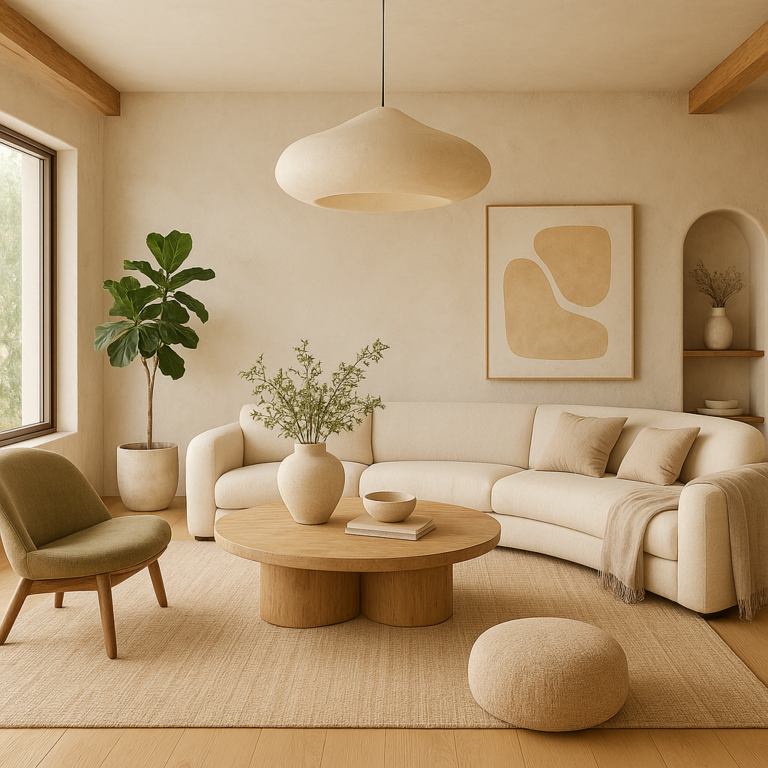
Scandinavian design is famous for its focus on hygge (coziness). It combines minimalism with warmth and functionality.
- Key Features: Light wood floors, white walls, functional furniture, and an abundance of natural light.
- Materials: Sheepskins, wool throws, light oak, and linen.
- Best For: Families, those in colder climates, and anyone seeking a calm sanctuary.
- The Vibe: “It’s snowing outside, but inside, we are warm and cozy.”
6. Farmhouse Rustic: Shiplap, Barn Doors, and Country Comfort
Farmhouse style has taken the world by storm. It blends rural charm with modern convenience, focusing on functionality and warmth.
- Key Features: Shiplap walls, apron-front sinks, barn doors, and distressed wood furniture.
- Color Palette: Whites, creams, sage greens, and soft grays.
- Best For: Families who want a welcoming, unpretentious home.
- The Vibe: “Come in, take off your shoes, and eat at the big table.”
7. Mid-Century Modern: Retro Cool and Clean Lines
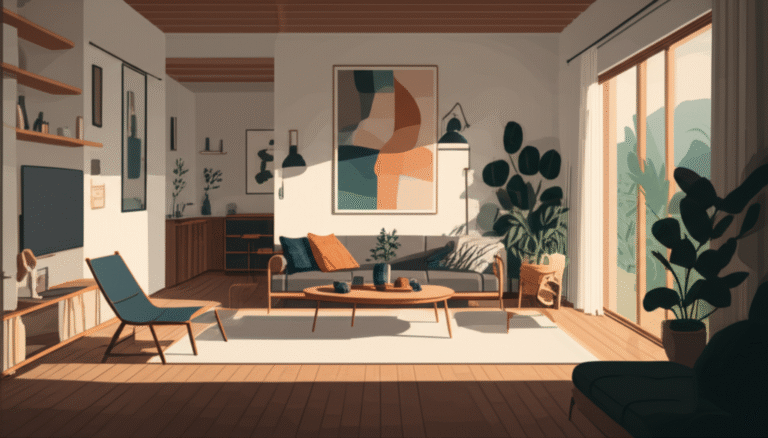
Mid-Century Modern (MCM) is the style of the 1940s-1960s that never went out of style. It’s defined by organic curves and geometric shapes.
- Key Features: Tapered legs, low-profile sofas, starburst clocks, and iconic designer pieces.
- Materials: Teak, walnut, fiberglass, and molded plastic.
- Best For: Design enthusiasts who appreciate history and iconic design.
- The Vibe: “I have an Eames chair, and yes, it is as comfortable as it looks.”
8. Coastal Retreat: Nautical Blues, Whites, and Breezy Vibes
You don’t need to live by the ocean to embrace Coastal style. It’s about capturing the light and relaxation of beach life.
- Key Features: Whitewashed wood, nautical stripes, sea glass accents, and slipcovered furniture.
- Materials: Jute, rattan, linen, and sea grass.
- Best For: Anyone who wants their home to feel like a permanent vacation.
- The Vibe: “The salt air is just a scent in my living room.”
9. Art Deco Glamour: Geometric Patterns and Luxe Finishes
Art Deco is the style of the 1920s and 30s, known for its opulence and geometric boldness.
- Key Features: Mirored surfaces, brass accents, bold geometric patterns, and velvet upholstery.
- Color Palette: Black, gold, silver, emerald green, and deep red.
- Best For: Those who love drama, luxury, and a touch of the old Hollywood glamour.
- The Vibe: “I’m ready for the party, and my living room is the VIP lounge.”
10. French Country: Romantic, Distressed, and Effortlessly Chic
French Country is softer than traditional style, with a focus on rustic elegance and natural materials.
- Key Features: Distressed furniture, stone floors, wrought iron, and floral patterns.
- Color Palette: Soft yellows, lavenders, blues, and warm creams.
- Best For: Romantics who love a lived-in, storybook feel.
- The Vibe: “I just baked bread in the oven, and the kitchen smells like lavender.”
1. Mediterranean: Terracotta, Arches, and Sun-Kissed Warmth
Mediterranean style draws inspiration from the coasts of Spain, Italy, and Greece. It’s warm, earthy, and inviting.
- Key Features: Stucco walls, terracotta tiles, arched doorways, and wrought iron details.
- Materials: Clay, stone, wood, and ceramic tiles.
- Best For: Those who love a sun-drenched, relaxed atmosphere.
- The Vibe: “The sun is setting over the hills, and I’m sipping wine on the terrace.”
12. Contemporary: The Ever-Evolving Trendsetter
Contemporary style is what’s happening right now. It’s fluid, often incorporating elements from other styles but with a modern twist.
- Key Features: Bold color blocks, mixed materials, sculptural furniture, and a focus on negative space.
- Materials: Glass, metal, concrete, and high-gloss finishes.
- Best For: Trendseters who want their home to feel fresh and current.
- The Vibe: “I’m designing for today, not yesterday.”
13. Transitional: The Perfect Blend of Old and New
Transitional style is the “Goldilocks” of design—not too traditional, not too modern. It’s the safe bet that looks sophisticated.
- Key Features: Neutral palettes, clean lines with soft curves, and a mix of textures.
- Materials: A blend of wood, metal, and fabric.
- Best For: Couples with different tastes or anyone who wants a timeless look.
- The Vibe: “I like the comfort of tradition with the sleekness of modern.”
14. Japandi: The Zen Fusion of Japanese and Scandinavian
Japandi is the rising star of the design world. It combines the minimalism of Scandinavian design with the craftsmanship and wabi-sabi (beauty in imperfection) of Japanese aesthetics.
- Key Features: Low furniture, natural materials, muted colors, and a focus on mindfulness.
- Materials: Bamboo, light wood, stone, and handmade ceramics.
- Best For: Those seeking a calm, meditative, and clutter-free home.
- The Vibe: “My home is a sanctuary of peace and balance.”
15. Maximalist: More is More for the Bold and Brave
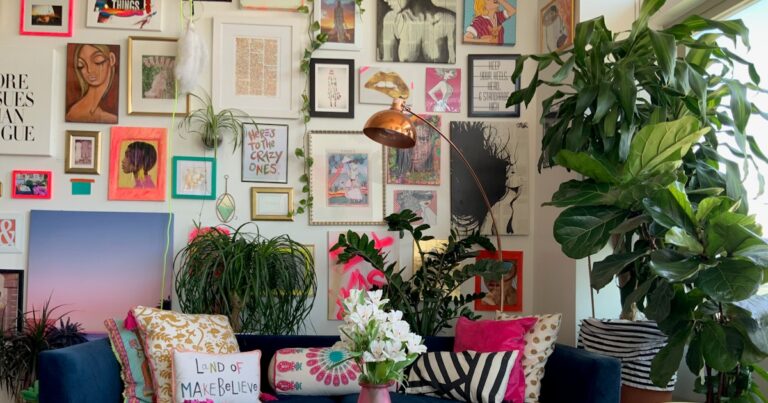
Maximalist style rejects the idea that less is more. It’s about abundance, color, and personality.
- Key Features: Bold patterns, vibrant colors, layered textures, and collections of art and objects.
- Materials: Anything and everything! Velvet, silk, metal, wood, plastic.
- Best For: Extroverts, collectors, and those who want their home to be a conversation starter.
- The Vibe: “I have a story for every object in this room, and I’m not afraid to tell them all.”
🧩 How to Mix and Match Decorating Styles Without Looking Like a Thrift Store Explosion
So, you love Mid-Century Modern but also can’t resist Bohemian rugs? Great! Mixing styles is the secret to a home that feels uniquely yours. But how do you do it without it looking like a garage sale?
The 80/20 Rule
Aim for 80% dominant style and 20% accent style. If your room is 80% Industrial, add 20% Bohemian touches (like a macramé wall hanging or a colorful rug) to keep it cohesive.
Find the Common Thread
Look for a unifying element that connects the styles. This could be:
- Color: A consistent color palette (e.g., all neutrals) can tie together a modern sofa and a vintage rug.
- Material: Using the same wood tone (like walnut) across different pieces can create harmony.
- Texture: Mixing textures (smooth metal with rough wood) can bridge the gap between styles.
Scale and Proportion
Ensure your furniture pieces are proportionate to each other. A tiny vintage chair next to a massive modern sofa can look odd. Keep the scale balanced.
The “Anchor” Piece
Start with one statement piece that defines the room’s primary style, then build around it with accents from other styles.
Real Story: We once worked with a client who loved French Country but had a collection of Industrial lighting. We kept the furniture French Country but swapped in the industrial lights and added a few metal accents. The result? A stunning, cohesive space that felt both romantic and edgy.
🛋️ Room-by-Room Guide: Applying Your Chosen Style to Every Corner
Your home isn’t a monolith; different rooms serve different purposes. Here’s how to apply your chosen style to each space.
Living Room: The Heart of the Home
- Focus: Comfort and conversation.
- Style Tip: Choose a statement sofa that reflects your primary style. Add layers with rugs, throw pillows, and blankets.
- Lighting: Use a mix of overhead lighting and ambient lamps to create warmth.
Bedroom: The Sanctuary
- Focus: Relaxation and sleep.
- Style Tip: Keep it clutter-free. Use soft textures like linen and velvet.
- Color: Stick to calming, muted tones. Avoid bright, stimulating colors.
Kitchen: The Functional Hub
- Focus: Efficiency and gathering.
- Style Tip: If you love Farmhouse, go for open shelving and a farmhouse sink. For Modern, opt for sleek cabinets and integrated appliances.
- Decor: Use functional items (like a beautiful cutting board or a set of copper pots) as decor.
Bathroom: The Spa Retreat
- Focus: Cleanliness and relaxation.
- Style Tip: Use natural materials like stone and wood. Add plants for a touch of life.
- Lighting: Soft, warm lighting is key. Avoid harsh overhead lights.
Home Office: The Creative Space
- Focus: Productivity and inspiration.
- Style Tip: Choose a desk that inspires you. Add personal touches like art and plants.
- Organization: Keep it organized but not sterile. A little clutter can spark creativity!
🎨 Color Palettes and Textures: The Secret Sauce of Style Consistency
Color and texture are the glue that holds your style together. Here’s how to master them.
Color Psychology
- Blue: Calming, trustworthy. Great for bedrooms and bathrooms.
- Green: Refreshing, natural. Perfect for living rooms and kitchens.
- Yellow: Energetic, happy. Ideal for dining rooms and home offices.
- Red: Passionate, bold. Use as an accent color to avoid overwhelming the space.
Texture Mixing
- Smooth + Rough: Pair a sleek leather sofa with a rough-hewn wooden coffee table.
- Soft + Hard: Combine plush velvet pillows with a metal side table.
- Mate + Gloss: Use matte walls with glossy furniture for a modern touch.
The 60-30-10 Rule
- 60% Dominant Color: Walls, large furniture.
- 30% Secondary Color: Upholstery, curtains.
- 10% Accent Color: Pillows, art, accessories.
💰 Budget-Friendly Decorating: Achieving High-End Looks on a Shoestring
You don’t need a million dollars to have a million-dollar look. Here’s how to stretch your budget.
Thrift and Vintage
- Where to look: Local thrift stores, estate sales, and online marketplaces like Etsy and Facebook Marketplace.
- What to buy: Solid wood furniture, unique art, and vintage accessories.
DIY Projects
- Ideas: Paint old furniture, create your own art, or upcycle thrifted finds.
- Resources: Check out our DIY Decor Projects for inspiration.
Strategic Splurges
- Where to spend: Invest in quality pieces that will last, like a sofa or a mattress.
- Where to save: Save on accessories, art, and decor items that can be easily replaced.
Paint is Your Best Friend
- A fresh coat of paint can transform a room for under $50. Choose a color that reflects your style.
🛒 Top Brands and Where to Shop for Authentic Style Pieces
Ready to shop? Here are some of our favorite brands for each style.
Traditional & French Country
- Restoration Hardware: Known for high-quality, classic furniture.
- Potery Barn: Great for traditional and transitional pieces.
- Crate & Barrel: Offers a mix of traditional and modern.
Modern & Minimalist
- IKEA: Affordable and stylish options for modern living.
- Article: High-quality, mid-range modern furniture.
- West Elm: Trendy and contemporary designs.
Bohemian & Eclectic
- Anthropologie: Unique, artistic, and eclectic finds.
- Urban Outfitters: Trendy and youthful decor.
- Etsy: Handmade and vintage treasures.
Industrial & Farmhouse
- Target: Affordable farmhouse and industrial accents.
- Wayfair: Huge selection of industrial and rustic furniture.
- Hobby Lobby: Great for DIY and rustic decor.
Mid-Century Modern
- Herman Miller: Iconic designer pieces.
- Knoll: Classic mid-century designs.
- Design Within Reach: High-end modern furniture.
Japandi & Scandinavian
- H&M Home: Affordable Scandinavian style.
- Muji: Minimalist and functional.
- IKEA: Scandinavian basics.
Maximalist
- Zara Home: Bold and colorful decor.
- HomeGoods: Great for finding unique, eclectic pieces.
- Target: Trendy and colorful accents.
👉 CHECK PRICE on:
- Restoration Hardware: Amazon | RH Official
- IKEA: Amazon | IKEA Official
- Anthropologie: Amazon | Anthropologie Official
- West Elm: Amazon | West Elm Official
- Article: Article Official
- Herman Miller: Amazon | Herman Miller Official
- Muji: Amazon | Muji Official
❓ Common Decorating Mistakes and How to Avoid Them
Even the best designers make mistakes. Here are the most common ones and how to avoid them.
1. Ignoring the Scale
- Mistake: Buying furniture that is too big or too small for the room.
- Fix: Measure your space before buying. Use painter’s tape to outline the furniture on the floor.
2. Too Many Focal Points
- Mistake: Having too many “wow” pieces that compete for attention.
- Fix: Choose one statement piece per room and let it shine.
3. Poor Lighting
- Mistake: Relying solely on overhead lighting.
- Fix: Use a mix of ambient, task, and accent lighting.
4. Clutter
- Mistake: Overstuffing the room with too many items.
- Fix: Edit your belongings. If you haven’t used it in a year, donate it.
5. Ignoring the Flow
- Mistake: Not considering how the room connects to the rest of the house.
- Fix: Use a consistent color palette or material throughout the home to create flow.
🔮 Future Trends: What’s Next in Home Decor?
The design world is always evolving. Here’s what we’re seeing on the horizon.
Biophilic Design
- Trend: Bringing nature indoors with plants, natural light, and organic materials.
- Why: It improves mental health and well-being.
Sustainable Materials
- Trend: Using recycled, upcycled, and eco-friendly materials.
- Why: Consumers are increasingly conscious of their environmental impact.
Smart Home Integration
- Trend: Seamless integration of technology into furniture and decor.
- Why: Convenience and efficiency are key.
The Return of Color
- Trend: Moving away from all-white spaces to bold, saturated colors.
- Why: People want their homes to reflect their personality and joy.
The “Slow Design” Movement
- Trend: Focusing on quality over quantity, and craftsmanship over mass production.
- Why: A reaction against fast fashion and disposable culture.
Curiosity Check: Will we see a return to the ornate styles of the past, or will minimalism continue to dominate? The answer lies in how we balance our desire for comfort with our need for simplicity.
🏆 Conclusion: Finding Your Home’s True Voice

So, where does this leave us? We’ve journeyed from the caves to the cloud, exploring 15 distinct house decorating styles and the art of mixing them. But here’s the real secret: there is no “right” way.
Your home should be a reflection of you. It should tell your story, accommodate your lifestyle, and make you feel at home. Whether you lean towards the clean lines of Modernism, the warmth of Farmhouse, or the eclectic chaos of Bohemian, the most important thing is that it feels authentic.
Remember the words from the Slow Style podcast: “You want a home that’s uniquely you.” Don’t let trends dictate your choices. Embrace the imperfections, the mix, and the history of your space.
Final Thought: If you’re still unsure, start small. Pick one room, choose a style that resonates with you, and build from there. Your home is a journey, not a destination.
🔗 Recommended Links
Ready to take the next step? Here are some of our favorite resources to help you on your decorating journey.
Shopping Guides
Books to Inspire
- The Slow Style Home by Liz Lidget – Amazon
- Homebody: A Guide to Creating Spaces You Never Want to Leave by Joanna Gaines – Amazon
- The Art of Home by Emily Henderson – Amazon
Brands to Explore
📚 Reference Links
For those who want to dive deeper, here are some reputable sources and further reading.
- Pinterest: 90+ Home Decor Styles ideas in 2026 – A massive collection of inspiration.
- Dreamscape Home: Your Guide to 12 Popular Decorating Styles – Detailed breakdowns of each style.
- Apple Podcasts: Slow Style: Home Decorating with Personal, Meaningful Interiors – Insights into the slow style movement.
- Bauhaus: The Bauhaus School – The history of modern design.
- Herman Miller: Design History – The evolution of mid-century modern.
FAQ

What are the best colors for each house decorating style?
- Traditional: Deep reds, navy, forest green, gold.
- Modern: White, gray, black, with bold accents.
- Bohemian: Jewel tones, earthy neutrals, and vibrant patterns.
- Industrial: Grays, blacks, browns, with pops of color.
- Scandinavian: Whites, light grays, soft pastels, and natural wood tones.
- Farmhouse: Whites, creams, sage green, soft blues.
- Mid-Century: Mustard yellow, teal, orange, and warm browns.
- Coastal: Whites, blues, sandy beiges, and seafoam greens.
- Art Deco: Black, gold, silver, emerald, and deep red.
- French Country: Soft yellows, lavenders, blues, and creams.
- Mediterranean: Terracotta, ochre, olive green, and azure blue.
- Contemporary: Neutral bases with bold, unexpected color blocks.
- Transitional: Neutral palettes with subtle color accents.
- Japandi: Muted earth tones, soft grays, and warm woods.
- Maximalist: Any and all colors, often in bold combinations.
Read more about “🎨 How to Mix & Match Decor Styles Like a Pro (2026)”
How do house decorating styles vary by region or culture?
- Scandinavian: Focus on light and natural materials to combat long winters.
- Mediterranean: Warm, earthy tones and outdoor living spaces.
- Japanese: Minimalism, natural materials, and a focus on balance (Wabi-Sabi).
- American Farmhouse: Practical, rustic, and family-oriented.
- French Country: Romantic, distressed, and elegant.
- Moroccan: Vibrant colors, intricate tile work, and arches.
What are some budget-friendly house decorating style ideas?
- Thrift and Vintage: Find unique pieces at a fraction of the cost.
- DIY Projects: Paint, upcycle, and create your own decor.
- Strategic Splurges: Invest in key pieces and save on accessories.
- Paint: A fresh coat of paint can transform a room.
- Rearange: Sometimes, just moving furniture can create a new look.
Read more about “15+ DIY Home Decoration Tips to Transform Your Space (2026) 🏠✨”
How can I mix different house decorating styles effectively?
- 80/20 Rule: 80% dominant style, 20% accent style.
- Common Thread: Use color, material, or texture to unify the space.
- Scale: Ensure furniture is proportionate.
- Anchor Piece: Start with one statement piece and build around it.
What are the key features of modern house decorating styles?
- Clean Lines: Simple, uncluttered shapes.
- Neutral Colors: White, gray, black, with bold accents.
- Natural Light: Large windows and open spaces.
- Materials: Glass, steel, concrete, and light wood.
- Functionality: Every piece has a purpose.
Read more about “✨ Art Deco Revival Decor: 10 Stunning Ways to Glam Up Your Space (2026)”
How do I choose the right decorating style for my home?
- Lifestyle: Consider how you live and what you need.
- Personality: Choose a style that reflects who you are.
- Space: Consider the size and layout of your home.
- Budget: Be realistic about what you can afford.
- Inspiration: Look at magazines, Pinterest, and real homes for ideas.
Read more about “📚 27 Dark Academia Room Aesthetic Ideas for 2026”
What are the most popular house decorating styles?
- Modern Minimalist
- Farmhouse Rustic
- Scandinavian
- Mid-Century Modern
- Industrial
- Bohemian
- Transitional
- Coastal
- Japandi
- Maximalist
Read more about “What Decorations Can I Put in My Room? 25 Creative Ideas to Try! 🎨”
What are the most popular house decorating styles for 2024?
- Japandi: The fusion of Japanese and Scandinavian design.
- Biophilic Design: Bringing nature indoors.
- Sustainable Materials: Eco-friendly and recycled materials.
- Warm Minimalism: Minimalism with a touch of warmth and texture.
- Maximalism: A return to bold colors and patterns.
Read more about “50 Secrets to Decorate Your Home Like a Rich Person (2026) 🏰”
What is the difference between modern and contemporary decorating styles?
- Modern: Refers to a specific historical era (early-to-mid 20th century).
- Contemporary: Refers to the current moment and is constantly changing.
- Modern: Clean lines, neutral colors, natural materials.
- Contemporary: Bold colors, mixed materials, sculptural furniture.
Read more about “What’s Home Décor: 12 Ways to Transform Your Space in 2024! ✨”
Can I mix different decorating styles in one room?
- Yes! Mixing styles is the key to a unique and personal home.
- Key: Use the 80/20 rule and find a common thread (color, material, texture).
Read more about “15 Ways to Decorate Your New Home on a Budget (2026) 🏡✨”
What are the key elements of Scandinavian house decorating?
- Light: Maximize natural light.
- Materials: Light wood, wool, linen, and sheepskin.
- Colors: Whites, grays, and soft pastels.
- Functionality: Every piece has a purpose.
- Hygge: A focus on coziness and comfort.
Read more about “How Can I Decorate My House Nicely? 15 Expert Tips to Transform Your Home 🏡”
How much does it cost to decorate a house in a specific style?
- Budget: Can range from a few hundred dollars (DIY, thrift) to tens of thousands (high-end designer pieces).
- Factors: Size of the home, quality of materials, and whether you hire a designer.
Read more about “12 Essential Japandi Style Home Accessories for 2026 🏡”
What are the best color palettes for farmhouse decorating styles?
- Whites and Creams: For walls and large furniture.
- Sage Green: For accents and textiles.
- Soft Blues: For a coastal farmhouse look.
- Warm Browns: For wood tones and rustic elements.
- Black: For hardware and accents.
Read more about “🌿 10 Must-Have Finds in the Magnolia Home Decor Sale (2025)”