Support our educational content for free when you purchase through links on our site. Learn more
🏡 Ultimate Home Interior Design Guide: 2026 Trends & Tips

Ever walked into a room and felt an instant sense of calm, or conversely, a weird urge to run for the hills? That’s the invisible power of home interior design at work. At Home Decorations™, we’ve seen it all: from the “minimalist” apartment that felt like a sterile hospital waiting room to the “eclectic” space that looked like a hoarder’s paradise. But here’s the secret we’ve learned after years of transforming spaces: great design isn’t about following rigid rules or spending a fortune; it’s about curating a sanctuary that tells your unique story.
In this comprehensive guide, we’re diving deep into everything from the 60-30-10 color rule to the art of space planning that actually works for your lifestyle. We’ll uncover why your living room feels “off” (hint: it’s probably your lighting layers) and how to mix high-end finds with budget-friendly gems without looking like a mismatched thrift store haul. We’ll even reveal the biophilic design secrets that can lower your blood pressure just by adding a few strategically placed plants.
Ready to stop guessing and start designing? Whether you’re a DIY enthusiast or considering a pro, this guide covers the future trends of 2026, the biggest mistakes to avoid, and the specific strategies to make even the smallest room feel expansive. Let’s turn that house into a home you never want to leave.
Key Takeaways
- Master the 60-30-10 Rule: Use this golden ratio to create balanced color palettes that prevent visual chaos and ensure harmony in every room.
- Layer Your Lighting: Ditch the single overhead bulb; combine ambient, task, and accent lighting to add depth, drama, and functionality.
- Prioritize Scale and Flow: Proper space planning is crucial; always measure twice to ensure furniture fits the room’s proportions and allows for smooth traffic flow.
- Embrace Texture Over Color: If you love neutrals, use varied textures like velvet, linen, and wood to create a luxurious, cozy atmosphere without overwhelming the senses.
- Blend Styles for Personality: Don’t be afraid to mix modern and traditional elements to create a unique, personalized space that reflects your individual journey.
Table of Contents
- ⚡️ Quick Tips and Facts
- 🏛️ A Brief History of Home Interior Design: From Caves to Chic
- 🎨 Mastering the Fundamentals: Core Principles of Interior Styling
- 📐 The Art of Space Planning: Layouts That Actually Work
- 🌈 Color Theory 101: Choosing the Perfect Palette for Your Mood
- 💡 Lighting Design: Layering Ambience, Task, and Accent Light
- 🛋️ Furniture Selection: Sizing, Style, and Functionality
- 🧵 Textiles and Soft Furnishings: Adding Texture and Warmth
- 🖼️ Wall Decor and Art: Curating a Gallery That Tells Your Story
- 🌿 Biophilic Design: Bringing the Outdoors In
- 🏠 Room-by-Room Design Guides
- 1. The Living Room: Balancing Comfort and Conversation
- 2. The Kitchen: Merging Culinary Efficiency with Aesthetic Appeal
- 3. The Bedroom: Crafting a Sanctuary for Sleep
- 4. The Bathroom: Spa-Like Serenity in Small Spaces
- 5. The Home Office: Productivity Mets Personal Style
- 6. The Entryway: Making a Grand First Impression
- 🌍 Exploring Popular Interior Design Styles
- 1. Modern and Contemporary: Slek Lines and Minimalism
- 2. Traditional and Classic: Timeless Elegance and Ornamentation
- 3. Scandinavian and Japandi: Hygge Mets Zen
- 4. Bohemian and Eclectic: A Celebration of Color and Pattern
- 5. Industrial and Urban: Raw Materials and Exposed Structures
- 6. Farmhouse and Rustic: Cozy, Country Charm
- 🛠️ DIY vs. Hiring a Professional: When to Call the Experts
- 🛒 Budgeting for Your Makeover: Smart Shopping Strategies
- 📱 Top Tools and Apps for Virtual Home Design
- 🚫 Common Interior Design Mistakes to Avoid
- 🔮 Future Trends: What’s Next in Home Decor?
- ✅ Conclusion
- 🔗 Recommended Links
- ❓ FAQ
- 📚 Reference Links
⚡️ Quick Tips and Facts
Before we dive into the deep end of the design pool, let’s splash around with some essential truths that every homeowner needs to know. At Home Decorations™, we’ve seen it all, from the “minimalist” apartment that looked like a hospital waiting room to the “eclectic” space that felt like a hoarder’s paradise. Here is the lowdown:
- The 60-30-10 Rule: This is the golden rule of color. 60% of your room should be a dominant color (walls, large rugs), 30% a secondary color (upholstery, curtains), and 10% an accent color (pillows, art). Break this, and you risk visual chaos.
- Lighting is Life: Never rely on a single overhead light. It’s the design equivalent of wearing only one sock. You need ambient, task, and accent lighting to create depth.
- Scale Matters: A tiny sofa in a massive room looks lost; a massive sectional in a tiny room feels like a prison cell. Measure twice, buy once.
- Texture Over Color: If you are stuck on a neutral palette, texture is your best friend. A chunky knit throw, a velvet pillow, and a rough-hewn wood table can make a beige room feel luxurious, not boring.
- The “Third Wall” Trick: Don’t forget the ceiling! Painting it a slightly darker shade than the walls can make a room feel cozier and more intimate.
Did you know? According to the American Society of Interior Designers (ASID), 83% of people believe that good interior design improves their quality of life. So, this isn’t just about aesthetics; it’s about mental well-being!
For more curated advice on where to start your journey, check out our Home Decorations™ story and how we help you navigate the world of style.
🏛️ A Brief History of Home Interior Design: From Caves to Chic

You might think interior design is a modern obsession, but humans have been decorating their dens since the dawn of time. It started with cave paintings and animal skins for warmth, evolving into the ornate palaces of Egypt and Rome, where marble and gold were the status symbols of the day.
Fast forward to the Renaissance, and we see the birth of “interior design” as a distinct discipline, focusing on symmetry, proportion, and the integration of art. The Victorian era brought us the “more is more” philosophy—think heavy drapes, dark woods, and clutter. Then came Modernism in the early 20th century, championed by figures like Le Corbusier and Mies van der Rohe, who stripped away the ornamentation to focus on functionality and clean lines.
Today, we are in a fascinating era of hybrid styles. We see the warmth of Scandinavian design meeting the raw edge of Industrial chic, all while embracing sustainability. As noted in the Interior Design magazine’s coverage of global projects, the trend is moving toward blending indoor and outdoor spaces, creating a seamless flow that honors nature while providing modern comfort.
Fun Fact: The term “interior decorator” was first used in the late 19th century, but it wasn’t until the 1930s that the profession became formally recognized with the founding of the American Institute of Interior Designers.
🎨 Mastering the Fundamentals: Core Principles of Interior Styling
If you want your home to look like it was designed by a pro (and not just thrown together), you need to understand the seven principles of design. These are the rules that, once mastered, can be broken with style.
1. Balance
Balance is about visual weight. You can achieve symetrical balance (miroring items on either side of a center point) for a formal, traditional look, or asymetrical balance (using different objects of equal visual weight) for a more dynamic, modern feel.
- Symetrical: Two matching armchairs flanking a fireplace.
- Asymetrical: A large sofa one side balanced by a grouping of three smaller chairs and a floor lamp on the other.
2. Rhythm
Rhythm creates movement. It’s how your eye travels through the room. You can achieve this through repetition (using the same color or shape), gradation (gradual change in size or color), or transition (using curved lines to lead the eye).
3. Emphasis (Focal Point)
Every room needs a star. Is it a stunning fireplace? A large piece of art? A view of the ocean? Once you identify the focal point, arrange your furniture to highlight it, not compete with it.
4. Proportion and Scale
This is where many DIYers stumble. Proportion is the relationship between parts of a whole, while scale is the size of an object in relation to the room. A massive dining table in a small dining room will feel oppressive. Always consider the human scale as well.
5. Harmony and Unity
Harmony is the feeling that everything belongs together. This doesn’t mean everything must match perfectly; it means they share a common thread, whether it’s a color palette, a material, or a style.
6. Contrast
Contrast adds interest. It’s the interplay of light and dark, rough and smooth, old and new. Without contrast, a room can feel flat and boring.
7. Details
The devil is in the details. The trim on a curtain, the finish on a light fixture, the stitching on a pillow—these small touches elevate a room from “nice” to “stunning.”
📐 The Art of Space Planning: Layouts That Actually Work
Before you buy a single piece of furniture, you need a floor plan. Space planning is the backbone of good design. It’s not just about fitting things in; it’s about how you move through the space.
The Traffic Flow
Imagine your home as a river. You don’t want furniture blocking the current. Aim for 30-36 inches of walking space in main pathways and at least 18 inches in tighter areas.
The Conversation Zone
In living rooms, arrange furniture to facilitate conversation. The “U” shape or “L” shape arrangement is classic for a reason. Ensure that people can talk without shouting across the room.
The Work Triangle (Kitchen)
In the kitchen, the work triangle (sink, stove, refrigerator) should be efficient. The total distance between these three points should between 12 and 26 feet to prevent unnecessary walking.
Multi-Functional Spaces
With the rise of remote work, many homes need to double as offices. Use room dividers, bookshelves, or sliding doors to create flexible zones.
Pro Tip: Use painter’s tape on the floor to map out furniture sizes before buying. It’s the best way to avoid the “oops, it doesn’t fit” moment.
For more on optimizing your layout, check out our guide on DIY Decor Projects where we show you how to create custom dividers and storage solutions.
🌈 Color Theory 101: Choosing the Perfect Palette for Your Mood
Color is the most powerful tool in your design arsenal. It can make a room feel cozy, spacious, energetic, or calm. But how do you choose?
The Color Wheel Basics
- Primary Colors: Red, Blue, Yellow.
- Secondary Colors: Green, Orange, Purple.
- Tertiary Colors: Red-Orange, Blue-Green, etc.
Color Schemes
- Monochromatic: Different shades of one color. Elegant and cohesive.
- Analogous: Colors next to each other on the wheel (e.g., blue, blue-green, green). Harmonious and soothing.
- Complementary: Colors opposite each other (e.g., blue and orange). High contrast and vibrant.
- Triadic: Three colors evenly spaced on the wheel. Balanced and lively.
Psychology of Color
- Blue: Calming, trustworthy. Great for bedrooms and bathrooms.
- Yellow: Energetic, cheerful. Perfect for kitchens and dining rooms.
- Green: Refreshing, natural. Works well in living rooms and home offices.
- Red: Passionate, stimulating. Use as an accent, not a wall color, to avoid overwhelming the senses.
- Neutral (Beige, Gray, White): Versatile, timeless. The perfect backdrop for bold accents.
Warning: Don’t forget the Lighting Factor. A color can look completely different under warm vs. cool light. Always test paint swatches on your walls at different times of the day.
For a deeper dive into color trends, visit our Home Decor Shopping Guides section.
💡 Lighting Design: Layering Ambience, Task, and Accent Light
Lighting is the jewelry of the home. Without it, even the most beautiful room falls flat. The secret to great lighting is layering.
1. Ambient Lighting (General Light)
This is the base layer. It provides overall illumination. Think ceiling fixtures, recessed lights, or chandeliers.
- Goal: To see clearly and move safely.
2. Task Lighting (Functional Light)
This is for specific activities. Desk lamps, under-cabinet lights in the kitchen, reading lights by the bed.
- Goal: To perform tasks without eye strain.
3. Accent Lighting (Dramatic Light)
This is for highlighting features. Track lights on art, uplights on plants, LED strips behind a TV.
- Goal: To create drama and visual interest.
The Warmth Factor
As mentioned in the “8 Ways to Create a Cozy Home” video, avoid cold, white light bulbs. Opt for warm white (270K-30K) for living areas and bedrooms to create a relaxing atmosphere. Use cool white (350K-40K) for task areas like kitchens and home offices where focus is key.
Did you know? The video emphasizes that “there is no substitute for fire.” While we can’t all have a fireplace, candles and flickering LED candles can mimic that warm, inviting glow.
🛋️ Furniture Selection: Sizing, Style, and Functionality
Choosing furniture is like dating: you need to find the right fit, style, and personality.
Sizing
- Sofas: Measure your room and leave at least 18 inches of walking space around the sofa.
- Dining Tables: Allow 24-30 inches of space person for comfortable seating.
- Bedroom: Ensure there’s enough room to walk around the bed (at least 24 inches on each side).
Style
Your furniture should reflect your chosen design style.
- Modern: Clean lines, minimal ornamentation.
- Traditional: Ornate details, rich woods, plush fabrics.
- Industrial: Raw materials, metal, exposed brick.
- Scandinavian: Light woods, functional, cozy textures.
Functionality
Don’t sacrifice comfort for style. A beautiful chair that hurts your back is a bad investment. Consider multi-functional furniture like ottomans with storage or sofa beds for small spaces.
Brand Spotlight
- West Elm: Known for modern, mid-century inspired pieces.
- Potery Barn: Classic, traditional, and comfortable.
- IKEA: Affordable, modular, and great for small spaces.
- Article: Direct-to-consumer, high-quality modern furniture.
👉 CHECK PRICE on:
- West Elm Sofa: Amazon | West Elm Official
- IKEA KALLAX Shelf: Amazon | IKEA Official
- Article Sven Chair: Article Official
🧵 Textiles and Soft Furnishings: Adding Texture and Warmth
Textiles are the soft skin of your home. They add warmth, comfort, and texture.
Rugs
A rug anchors a room. In a living room, ensure the rug is large enough for the front legs of all furniture to sit on it.
- Material: Wool is durable and soft. Synthetic fibers like polypropylene are stain-resistant and affordable.
Curtains
Hang curtains high and wide to make windows look larger. Use floor-to-ceiling drapes for a dramatic effect.
- Fabric: Linen for a casual look, velvet for luxury, blackout for bedrooms.
Pillows and Throws
Mix and match textures and patterns. A velvet pillow next to a linen throw creates visual interest.
- Tip: Use the 60-30-10 rule for pillow colors.
Personal Story: We once worked with a client who had a beautiful but cold living room. We added a chunky knit throw and a shag rug, and the room instantly felt like a hug. It’s amazing what a little texture can do!
🖼️ Wall Decor and Art: Curating a Gallery That Tells Your Story
Your walls are your canvas. They should tell your story, not just fill space.
Gallery Walls
- Plan First: Lay out your arrangement on the floor before hanging.
- Mix It Up: Combine framed art, mirors, shelves, and textiles.
- Height: The center of the gallery should be at eye level (57-60 inches).
Statement Pieces
A large piece of art can be the focal point of a room. Don’t be afraid to go big.
Mirors
Mirors reflect light and make rooms look larger. Place them opposite windows to maximize natural light.
Tip: If you’re not sure what to hang, try floating shelves with a mix of books, plants, and small art pieces. It’s a great way to add depth without committing to a large piece.
🌿 Biophilic Design: Bringing the Outdoors In
Biophilic design is about connecting with nature. It’s not just about adding a plant; it’s about creating a holistic connection to the natural world.
Elements of Biophilic Design
- Plants: Indoor plants improve air quality and reduce stress.
- Natural Materials: Wood, stone, bamboo, and cork.
- Natural Light: Maximize windows and skylights.
- Views: Frame views of nature with windows.
- Water Features: Fountains or aquariums for a soothing sound.
Fact: Studies show that being around plants can lower blood pressure and improve mood. It’s not just a trend; it’s science!
For more on creating a nature-inspired home, check out our Bedroom Styling guide for tips on creating a serene sanctuary.
🏠 Room-by-Room Design Guides
Now, let’s get specific. Each room has its own unique challenges and opportunities.
1. The Living Room: Balancing Comfort and Conversation
The living room is the heart of the home. It needs to be comfortable for lounging but functional for entertaining.
- Focal Point: Fireplace, TV, or view.
- Seating: Arrange in a U-shape or L-shape.
- Lighting: Layered lighting is key.
2. The Kitchen: Merging Culinary Efficiency with Aesthetic Appeal
The kitchen is the workhorse. It needs to be functional but also a place to gather.
- Work Triangle: Optimize the sink, stove, and fridge.
- Lighting: Under-cabinet lighting for tasks, pendant lights over the island.
- Storage: Maximize vertical space with open shelving or tall cabinets.
3. The Bedroom: Crafting a Sanctuary for Sleep
The bedroom should be a calm retreat.
- Color: Soft, calming colors like blues, greens, and neutrals.
- Lighting: Dimable lights and warm bulbs.
- Textiles: High-quality bedding and blackout curtains.
4. The Bathroom: Spa-Like Serenity in Small Spaces
Even a small bathroom can feel like a spa.
- Lighting: Bright for tasks, soft for relaxation.
- Materials: Natural stone, wood accents, and plants.
- Storage: Hidden storage to keep clutter at bay.
5. The Home Office: Productivity Mets Personal Style
With remote work here to stay, your home office needs to be productive and inspiring.
- Ergonomics: A good chair and desk height are non-negotiable.
- Lighting: Bright, cool light for focus.
- Personal Touch: Add art, plants, and personal items to make it yours.
6. The Entryway: Making a Grand First Impression
The entryway sets the tone for your home.
- Function: A place to drop keys, shoes, and coats.
- Style: A console table, a mirror, and a statement light fixture.
- Storage: Baskets or a bench with storage.
🌍 Exploring Popular Interior Design Styles
There are as many styles as there are people. Here are the most popular ones to help you find your vibe.
1. Modern and Contemporary: Slek Lines and Minimalism
- Key Features: Clean lines, neutral colors, minimal ornamentation.
- Materials: Glass, steel, concrete.
- Vibe: Sophisticated, uncluttered.
2. Traditional and Classic: Timeless Elegance and Ornamentation
- Key Features: Symetry, rich woods, plush fabrics.
- Materials: Mahogany, velvet, silk.
- Vibe: Warm, formal, inviting.
3. Scandinavian and Japandi: Hygge Mets Zen
- Key Features: Light woods, functional design, cozy textures.
- Materials: Pine, wool, linen.
- Vibe: Calm, cozy, minimalist.
4. Bohemian and Eclectic: A Celebration of Color and Pattern
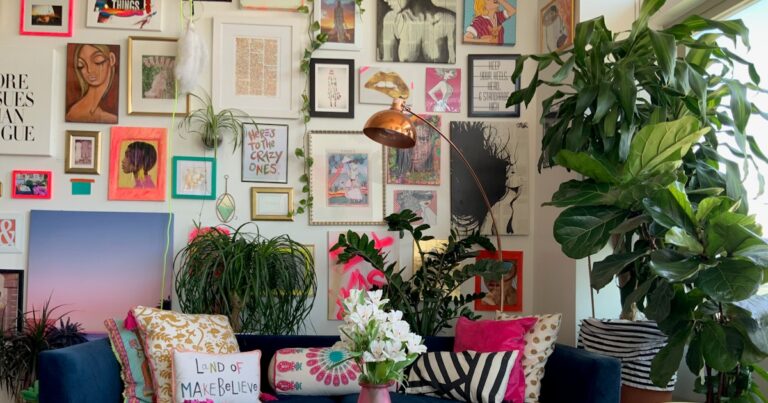
- Key Features: Mix of patterns, textures, and colors.
- Materials: Vintage finds, global textiles, plants.
- Vibe: Free-spirited, artistic, eclectic.
5. Industrial and Urban: Raw Materials and Exposed Structures
- Key Features: Exposed brick, metal, concrete.
- Materials: Steel, wood, leather.
- Vibe: Edgy, urban, raw.
6. Farmhouse and Rustic: Cozy, Country Charm
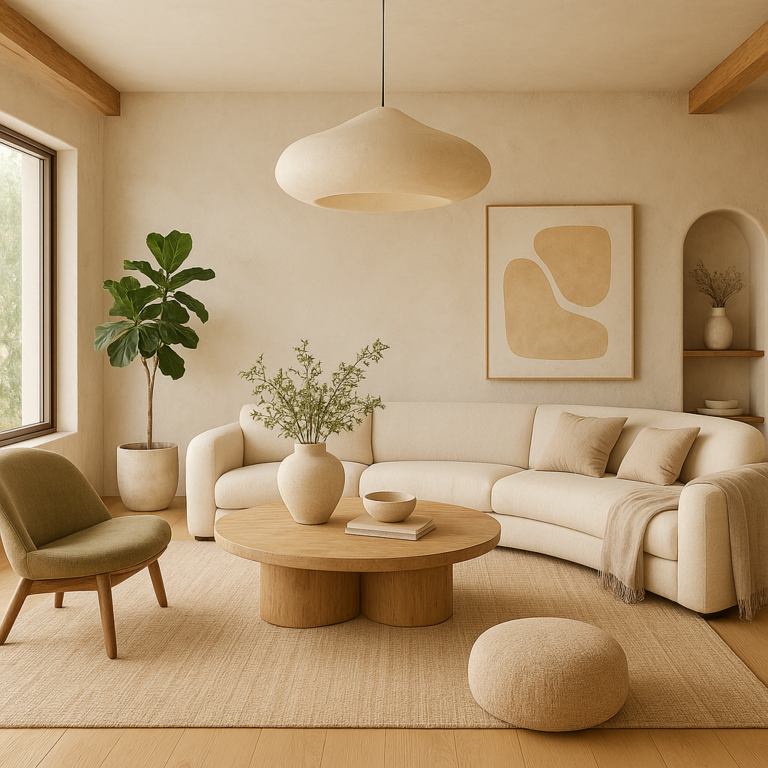
- Key Features: Reclaimed wood, vintage items, neutral colors.
- Materials: Barn wood, iron, cotton.
- Vibe: Warm, rustic, welcoming.
Tip: Don’t be afraid to mix styles. A modern sofa in a traditional room can create a unique, personalized look.
🛠️ DIY vs. Hiring a Professional: When to Call the Experts
Should you tackle it yourself or hire a pro? It depends on your budget, time, and skill level.
DIY
- Pros: Cost-effective, creative control, fun.
- Cons: Time-consuming, potential for mistakes, limited expertise.
- Best for: Small projects, painting, simple furniture assembly.
Hiring a Professional
- Pros: Expertise, time-saving, access to trade resources, stress-free.
- Cons: Higher cost, less direct control.
- Best for: Major renovations, complex layouts, custom furniture.
Insight: As seen in the Havenly summary, online design services can be a great middle ground. You get professional guidance without the high cost of a full-service designer.
🛒 Budgeting for Your Makeover: Smart Shopping Strategies
You don’t need a million-dollar budget to create a million-dollar look. Here’s how to stretch your dollar.
Set a Budget
Determine how much you can spend and stick to it. Break it down by room and category.
Prioritize
Spend more on high-use items like sofas and mattresses. Save on decorative items like pillows and art.
Shop Smart
- Sales: Wait for major sales events.
- Thrift Stores: Find unique, vintage pieces.
- DIY: Paint old furniture, make your own art.
- Online: Compare prices across platforms.
Tip: Invest in quality basics and update with trendy accents every few years.
For more budget-friendly ideas, check out our Budget Home Decor section.
📱 Top Tools and Apps for Virtual Home Design
Technology has made design more accessible than ever. Here are the top tools to help you visualize your space.
1. Houzz
- Features: Inspiration photos, product shopping, pro directory.
- Best for: Finding ideas and professionals.
2. Pinterest
- Features: Mood boards, idea collection.
- Best for: Curating your style.
3. Roomstyler
- Features: 3D room planner, furniture library.
- Best for: Visualizing layouts.
4. Havenly
- Features: Online design services, 3D renderings.
- Best for: Professional guidance without the full-service cost.
Tip: Use these tools to experiment before you commit. It’s much cheaper to change a digital layout than to move a real sofa!
🚫 Common Interior Design Mistakes to Avoid
Even the best of us make mistakes. Here are the most common ones and how to avoid them.
1. Ignoring Scale
Buying furniture that’s too big or too small for the room.
- Fix: Measure your space and use painter’s tape to visualize.
2. Poor Lighting
Relying on a single overhead light.
- Fix: Layer your lighting with ambient, task, and accent lights.
3. Floating Furniture
Pushing all furniture against the walls.
- Fix: Pull furniture into the room to create conversation zones.
4. Matching Everything
Buying a “matching set” of furniture.
- Fix: Mix and match styles and textures for a more dynamic look.
5. Ignoring Function
Choosing style over comfort.
- Fix: Test furniture for comfort before buying.
Remember: Design is a journey, not a destination. Don’t be afraid to make mistakes; they’re part of the learning process!
🔮 Future Trends: What’s Next in Home Decor?
The world of design is always evolving. Here’s what’s on the horizon.
1. Sustainability
Eco-friendly materials, recycled furniture, and energy-efficient lighting are becoming the norm.
2. Biophilic Design
More homes will incorporate natural elements to improve well-being.
3. Multi-Functional Spaces
With remote work and smaller homes, spaces that serve multiple purposes will be key.
4. Smart Home Integration
Technology will be seamlessly integrated into design, from smart lighting to voice-controlled appliances.
5. Maximalism
After years of minimalism, we’re seeing a return to bold colors, patterns, and clutter (the good kind!).
Prediction: The future of design is personalized, sustainable, and tech-savy.
✅ Conclusion

So, there you have it! From the history of design to the latest trends, we’ve covered every aspect of home interior design. Remember, the best design is the one that reflects your personality and meets your needs. Don’t be afraid to experiment, make mistakes, and have fun with it.
Whether you choose to DIY or hire a pro, the most important thing is to create a space that makes you feel happy, comfortable, and inspired. As we said earlier, there is no substitute for fire—or in this case, the warmth and personality you bring to your home.
Ready to start your journey? Check out our Recommended Links for more inspiration and products. And if you have any questions, don’t forget to visit our FAQ section.
Happy decorating! 🏡✨