Support our educational content for free when you purchase through links on our site. Learn more
Wellness-Focused Interior Design: 15 Ideas for a Calmer Home 🌿

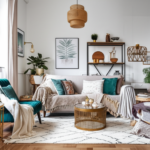
Wellness-focused interior design starts with how your home supports everyday life: prioritize good light, clean air, comfortable movement, restful rooms, and materials that feel good to live with. You don’t need a spa-sized bathroom or a blank, beige living room; thoughtful changes to your existing space can make home feel more restorative and work better for your routines.
At Home Decorations™, we’ve seen how a small adjustment can change the feel of a room. One client’s bedroom had lovely furniture but glared with a bright overhead bulb at night. Adding warm bedside lamps and blackout curtains made the space feel less like a waiting room and more like a place to unwind.
The evidence-backed basics matter, too: the U.S. Environmental Protection Agency notes that people spend about 90% of their time indoors, making indoor air quality and everyday comfort worth considering in your design choices. The question is how to make those choices personal, practical, and beautiful. (EPA: Indoor Air Quality)
Key Takeaways
- Design for your real routines and needs instead of chasing a picture-perfect “wellness” look.
- Start with the fundamentals: daylight, layered lighting, ventilation, comfortable temperatures, and easy movement.
- Use nature, soothing color, natural textures, and thoughtful acoustics to create a more restorative atmosphere.
- Choose furnishings and finishes carefully: favor durable, low-emission materials and follow manufacturer guidance.
- Make changes room by room. Simple adjustments can be useful; wellness design is an ongoing practice, not a one-time makeover.
Table of Contents
- ⚡ Quick Tips and Facts: Wellness-Focused Interior Design at a Glance
- 🌿 What Is Wellness-Focused Interior Design?
- How Wellness Design Supports Physical and Emotional Well-Being
- Wellness Interior Design vs. Biophilic Design
- 📜 The Roots of Holistic Home Design: From Ancient Principles to Modern Wellness
- 🏡 Common Elements of a Wellness-Oriented Home
- The Five Senses in a Feel-Good Interior
- How Wellness Design Elements Work Together
- ✨ 15 Wellness-Focused Interior Design Ideas for a Healthier Home
- 1. Start With Your Needs, Routines, and Sensory Preferences
- 2. Use Color to Support Emotional Well-Being
- 3. Layer Lighting for Calm and Circadian Rhythm
- 4. Reduce Visual Stress With Intentional Decluttering
- 5. Choose Natural Materials for Grounded, Holistic Interiors
- 6. Bring Nature Indors With Biophilic Design
- 7. Create Quiet Zones for Rest, Reflection, and Ritual
- 8. Design for Sound, Acoustics, and Sensory Comfort
- 9. Use Scent Thoughtfully and Safely
- 10. Add Personal Meaning for Emotional Ease
- 11. Improve Flow, Balance, and Ease of Movement
- 12. Select Low-Toxicity, Wellness-Centric Materials
- 13. Make Indoor Air Quality a Design Priority
- 14. Choose Furniture and Layouts That Support the Body
- 15. Design for Accessibility, Safety, and Every Life Stage
- 🛏 Room-by-Room Wellness Interior Design Guide
- A Restorative, Sleep-Supportive Bedroom
- A Kitchen That Encourages Nourishment and Connection
- A Calming Bathroom or Home Spa
- A Living Room for Comfort, Connection, and Recovery
- A Focus-Friendly Home Office
- A Welcoming Entryway and Everyday Reset Zone
- 🧭 Wellness Design Principles: Feng Shui, Vastu, and Other Traditions
- Using Traditional Principles With Cultural Care
- 🔎 How to Assess Your Home’s Wellness Needs
- A Room-by-Room Sensory and Comfort Checklist
- Common Indoor Stressors to Look For
- 🪴 Wellness-Focused Design on Different Budgets
- Low-Cost Changes With a High Comfort Impact
- When to Invest in Renovations or Professional Advice
- ⚖️ Benefits, Limitations, and Common Wellness Design Mistakes
- Wellness Claims: What Design Can and Cannot Do
- Mistakes That Can Undermine a Restful Home
- ♻️ Sustainable Wellness Design and Responsible Material Choices
- 🔄 Wellness Design as an Ongoing Practice
- 🔗 Related Wellness Design Topics
- 🏁 Conclusion
- 📚 Recommended Links
- ❓ FAQ
- What are the main principles of wellness-focused interior design?
- How can I make my home feel more calming?
- Which colors are best for a wellness-focused home?
- How does lighting affect mood and sleep?
- What materials are best for a healthier indoor environment?
- Can wellness-focused design work in a small home or rental?
- Do indoor plants improve home wellness?
- How can I create a wellness space on a budget?
- 🔍 Reference Links
Table of Contents
- ⚡ Quick Tips and Facts: Wellness-Focused Interior Design at a Glance
- 🌿 What Is Wellness-Focused Interior Design?
- How Wellness Design Supports Physical and Emotional Well-Being
- Wellness Interior Design vs. Biophilic Design
- 📜 The Roots of Holistic Home Design: From Ancient Principles to Modern Wellness
- 🏡 Common Elements of a Wellness-Oriented Home
- The Five Senses in a Feel-Good Interior
- How Wellness Design Elements Work Together
- ✨ 15 Wellness-Focused Interior Design Ideas for a Healthier Home
- 1. Start With Your Needs, Routines, and Sensory Preferences
- 2. Use Color to Support Emotional Well-Being
- 3. Layer Lighting for Calm and Circadian Rhythm
- 4. Reduce Visual Stress With Intentional Decluttering
- 5. Choose Natural Materials for Grounded, Holistic Interiors
- 6. Bring Nature Indors With Biophilic Design
- 7. Create Quiet Zones for Rest, Reflection, and Ritual
- 8. Design for Sound, Acoustics, and Sensory Comfort
- 9. Use Scent Thoughtfully and Safely
- 10. Add Personal Meaning for Emotional Ease
- 11. Improve Flow, Balance, and Ease of Movement
- 12. Select Low-Toxicity, Wellness-Centric Materials
- 13. Make Indoor Air Quality a Design Priority
- 14. Choose Furniture and Layouts That Support the Body
- 15. Design for Accessibility, Safety, and Every Life Stage
- 🛏 Room-by-Room Wellness Interior Design Guide
- A Restorative, Sleep-Supportive Bedroom
- A Kitchen That Encourages Nourishment and Connection
- A Calming Bathroom or Home Spa
- A Living Room for Comfort, Connection, and Recovery
- A Focus-Friendly Home Office
- A Welcoming Entryway and Everyday Reset Zone
- 🧭 Wellness Design Principles: Feng Shui, Vastu, and Other Traditions
- Using Traditional Principles With Cultural Care
- 🔎 How to Assess Your Home’s Wellness Needs
- A Room-by-Room Sensory and Comfort Checklist
- Common Indoor Stressors to Look For
- 🪴 Wellness-Focused Design on Different Budgets
- Low-Cost Changes With a High Comfort Impact
- When to Invest in Renovations or Professional Advice
- ⚖️ Benefits, Limitations, and Common Wellness Design Mistakes
- Wellness Claims: What Design Can and Cannot Do
- Mistakes That Can Undermine a Restful Home
- ♻️ Sustainable Wellness Design and Responsible Material Choices
- 🔄 Wellness Design as an Ongoing Practice
- 🔗 Related Wellness Design Topics
- 🏁 Conclusion
- 📚 Recommended Links
- ❓ FAQ
- How can wellness-focused interior design improve your mood and well-being?
- What colors are best for a wellness-focused home?
- How can you bring more natural light into your home?
- What materials are best for a healthy, wellness-focused interior?
- How can biophilic design make your home feel more calming?
- What are the best ways to create a relaxing bedroom?
- How can decor choices support a healthier home environment?
- 🔍 Reference Links