Support our educational content for free when you purchase through links on our site. Learn more
25 Cheap Ways to Decorate Your House on a Budget ✨

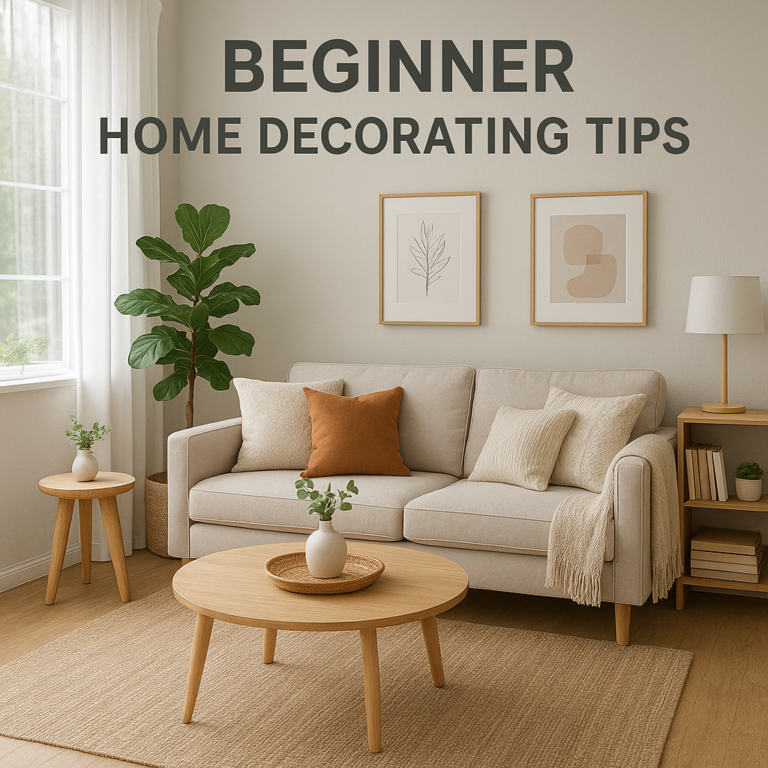
How can I decorate my house with little money? Start by rearranging furniture, clearing visual clutter, and reusing decor you already own. Then spend selectively on high-impact updates such as paint, lighting, textiles, or secondhand finds.
We’ve watched a room change with nothing more than a better furniture layout and a lamp moved beside the reading chair. The trick isn’t filling every corner; it’s making the pieces you love feel intentional—and knowing when not to buy another cushion. 🛋️
Key Takeaways
- 👉 Shop your home first: Swap art, lamps, baskets, rugs, and textiles between rooms before buying anything new.
- Start with free changes: Declutter, clean, and rearrange furniture to improve the room’s flow.
- Choose one high-impact update: Paint, lighting, curtains, or refreshed hardware can make a space feel noticeably different.
- Set a budget and measure before shopping: A bargain isn’t a bargain if it doesn’t fit or suit the room.
- Thrift thoughtfully: Check secondhand items for stability, condition, size, and safety.
- Make function part of the decor: Keep walkways clear, choose practical storage, and prioritize safe installation.
Table of Contents
- ⚡️ Quick Tips and Facts for Decorating on a Small Budget
- 🏡 Why Low-Cost Home Decorating Works
- 🧭 Make a Budget-Friendly Decorating Plan
- Set a realistic decorating budget
- Choose a style, color palette, and priorities
- Measure your rooms and shop your home first
- ✨ 25 Cheap Home Decorating Ideas That Make a Big Difference
- 1. Rearange furniture for a fresh room layout
- 2. Declutter and edit your decor
- 3. Shop your home and swap items between rooms
- 4. Paint a room, ceiling, or piece of furniture
- 5. Create a budget-friendly accent wall
- 6. Add DIY wall molding or picture-frame trim
- 7. Make an eye-catching gallery wall
- 8. Display affordable art, prints, and personal photos
- 9. Refresh windows with curtains or simple DIY details
- 10. Layer lighting for a warmer, brighter home
- 11. Replace lampshades or update light fixtures
- 12. Bring in plants, cutings, and greenery
- 13. Refresh throw pillows, blankets, and textiles
- 14. Add a rug or layer rugs you already own
- 15. Update cabinet, drawer, and door hardware
- 16. Give interior doors and trim a simple makeover
- 17. Refinish, paint, or repurpose furniture
- 18. Find a distinctive secondhand decor or furniture piece
- 19. Style shelves with books and objects you already own
- 20. Create a welcoming entryway with everyday items
- 21. Make a small room feel larger with layout and mirrors
- 22. Decorate walls without damaging them
- 23. Upgrade a bathroom with low-cost finishing touches
- 24. Make a rental feel personal without permanent changes
- 25. Use seasonal decorating swaps instead of buying more
- 🛍️ Where to Find Cheap Home Decor and Secondhand Furniture
- Thrift stores, estate sales, and flea markets
- Buy Nothing groups, online marketplaces, and curbside finds
- Discount retailers and affordable home decor brands
- How to spot quality and avoid costly mistakes
- 🧰 Low-Cost DIY Decorating Projects and Essential Tools
- Beginer-friendly projects for a weekend refresh
- Paint, wallpaper, peel-and-stick, and renter-safe options
- When to DIY and when to hire a professional
- 🛋️ Room-by-Room Ideas for Decorating on a Tight Budget
- Living room decorating ideas
- Bedroom decorating ideas
- Kitchen and dining room decorating ideas
- Bathroom decorating ideas
- Entryway and hallway decorating ideas
- 🚫 Budget Decorating Mistakes to Avoid
- ✅ How to Decorate Your House With Little Money: A Simple Checklist
- Conclusion
- Recommended Links
- FAQ
- Reference Links
⚡️ Quick Tips and Facts for Decorating on a Small Budget
Decorating with little money is less about buying tiny versions of expensive things and more about making the things you own work harder. Start with layout, editing, and lighting; spend only where a change solves a real problem. For more ideas, see our guide to 🎨 15 Genius Ways to Decorate on a Low Budget (2026) and browse our budget home decor guides.
| Quick win | Cost level | Best for | Watch out for |
|---|---|---|---|
| Rearange furniture | Free | Rooms that feel cramped or stale | Keep clear paths and avoid blocking doors |
| Shop your home | Free | Finding art, lamps, baskets, and textiles | Don’t relocate clutter from one room to another |
| Swap pillows, throws, and rugs | Free if you own them | A seasonal or color refresh | Check that colors and sizes suit the room |
| Declutter and restyle shelves | Free | Making a room feel calmer | Leave breathing room; not every surface needs decor |
| Use leftover paint | Free to low-cost | Furniture, doors, and small accent areas | Confirm paint type and surface compatibility |
| Thrift or accept a free find | Free to low-cost | Unique furniture and accessories | Inspect for pests, damage, and safety issues |
| Add plants or cutings | Free to low-cost | Empty corners and shelves | Match plants to available light and pets |
A few decorator rules worth keeping
- Pick one room to improve first. A focused refresh usually looks more intentional than spreading a small budget across the whole house.
- Choose a color palette before shopping. Repeating two or three colors helps secondhand finds feel like a collection rather than a garage-sale parade.
- Try a no-buy refresh first. Move furniture, rotate artwork, swap textiles, and clear surfaces before opening your wallet.
- Make safety non-negotiable. Don’t use damaged electrical fixtures, unstable furniture, or untested recalled products. The U.S. Consumer Product Safety Commission publishes recall information.
- Take a before photo. It’s easier to see the improvement—and harder to forget why you moved the sofa back. 📸
🏡 Why Low-Cost Home Decorating Works
A room can feel dramatically different without new furniture. Layout, light, visual clutter, color, and texture shape how a space looks and functions; many of those are adjustable at little or no cost. The Environmental Protection Agency’s guidance on reuse and waste prevention also supports extending the useful life of what we already have instead of replacing it prematurely.
We’ve seen the same pattern in real homes: a lamp moved beside a reading chair, a rug pulled forward to connect the seating, and a stack of books edited down to the favorites can do more than a cart full of impulse buys. That doesn’t mean every old item deserves a second life in the living room. Keep what works, repair what can be improved, and let go of what only takes up space.
The high-impact, low-cost formula
| Decorating move | Why it changes the room | Good first step |
|---|---|---|
| Improve the layout | Opens sightlines and clarifies how the room is used | Draw a quick floor plan or shift one large piece |
| Reduce visual noise | Makes favorite items more noticeable | Remove a third of the small decor and reassess |
| Add or redirect light | Changes comfort and highlights useful areas | Open curtains, clean shades, and reposition lamps |
| Repeat color and texture | Makes mixed, inexpensive pieces feel coordinated | Repeat one accent color in three places |
| Add a focal point | Gives the eye a place to land | Feature art, a plant, a mirror, or a distinctive object |
A useful budget decorating challenge is to wait 24 hours before buying. If the room still needs the item after you’ve rearranged and edited, you’ll shop with a clearer purpose. One small question remains: what should you change first? We’ll get to that in the planning section.
🧭 Make a Budget-Friendly Decorating Plan
Before painting walls or rescuing a curbside cabinet, decide what the room needs to do. A living room used for reading, movie nights, and children’s play needs a different arrangement from one used mostly for entertaining. Our home decor shopping guides can help you compare options, but a plan is the best first shopping tool.
Set a realistic decorating budget
Start with the amount you can spend comfortably, then divide it into needs, optional upgrades, and a small contingency for supplies or repairs. There’s no magic budget that fits every household. A rental refresh might rely on furniture swaps and removable decor; a family home might prioritize durable paint or replacing a broken lamp.
| Budget area | Examples | How to keep it in check |
|---|---|---|
| Essentials | Paint, curtain rods, safe lighting, storage | Buy only what solves a clear problem |
| Upgrades | Art, plants, cushions, secondhand furniture | Set a cap before browsing |
| DIY supplies | Sandpaper, primer, brushes, fasteners | Check what you already own |
| Contingency | Extra hardware, repairs, delivery | Keep some funds uncommitted |
Don’t confuse “cheap” with “good value.” A flimsy item that needs replacing quickly may cost more over time than a sturdy secondhand piece. For paint, tools, and electrical work, read product instructions and follow applicable safety guidance.
Choose a style, color palette, and priorities
You don’t need a formal design label. Pick three words that describe how you want the room to feel: calm, bright, collected; cozy, practical, colorful; or whatever sounds like you. Then choose a simple palette:
- One base color: Often a neutral already present in the walls, floor, or large furniture.
- One supporting color: A color found in your curtains, art, or upholstery.
- One accent: A small, repeatable dose in pillows, books, or accessories.
- A texture mix: Wood, woven fibers, metal, cotton, or ceramics keep a restrained palette from feeling flat.
Our decorators often use a simple test: If a new item doesn’t support the room’s palette, purpose, or personality, don’t buy it just because it’s on sale. Bargains are not automatically bargains when they become future clutter.
Measure your rooms and shop your home first
Measure the wall, window, or furniture footprint before buying. Note door swings, radiators, outlets, and walking routes. For rugs, curtains, and storage pieces, dimensions matter more than a product photo’s charming angle.
Then make a home inventory:
- Walk through closets, storage areas, and rooms you rarely use.
- Gather decor you already own: lamps, frames, baskets, vases, blankets, books, trays, and plants.
- Sort items into use now, repair, donate, or keep stored.
- Try pieces in the target room before buying anything similar.
- Photograph combinations you like so you can repeat the palette.
This echoes a practical idea from Paper & Stitch’s budget decorating guide: shop your own home before shopping stores. Our twist? Put a temporary “decor library” in one spot and test combinations there. It’s far easier than carrying six lamps up and down the stairs.
✨ 25 Cheap Home Decorating Ideas That Make a Big Difference
These ideas are ordered roughly from free, easy changes to more involved projects. You don’t need to do all 25. Choose two or three that solve the room’s biggest problems, then live with the results before adding more.
1. Rearange furniture for a fresh room layout
A new layout can make old furniture feel newly useful. Begin with the room’s purpose, then arrange around a focal point such as a window, fireplace, television, or artwork.
Step by step:
- Clear small objects from the floor and take a room photo.
- Identify the main route through the room and keep it unobstructed.
- Move the largest piece first, then place seating and tables around it.
- Test the arrangement for a day before shifting everything again.
- Use felt pads or furniture sliders to reduce floor damage.
The National Institute on Aging’s home safety guidance emphasizes removing trip hazards and keeping walkways safe. That matters in every home, not only homes with older residents.
Decorator perspective: Some rooms benefit from furniture grouped closer together, especially when a large space feels scattered. But pushing every piece against the wall isn’t a universal rule; test what supports conversation and movement.
2. Declutter and edit your decor
Editing is free and often makes a room feel more polished immediately. Take everything off one shelf or tabletop, clean the surface, then return only what you enjoy or use.
- Group small objects in a tray or on a book.
- Vary object height without making a precarious tower.
- Leave open space around a favorite piece.
- Store duplicate accessories and rotate them later.
Anecdote from our styling days: We once spent an afternoon trying to “fix” a crowded console with new accessories. The actual fix was removing most of them. The mirror, lamp, and one ceramic bowl finally had room to shine.
3. Shop your home and swap items between rooms
A basket from the bedroom can organize living-room throws. A framed print from a hallway may work better above a desk. A spare bedside lamp might solve a dim corner elsewhere.
Make swaps intentionally:
- Check scale: a tiny frame can disappear above a large sofa.
- Check function: a pretty basket should still hold something useful.
- Check light and care requirements before relocating plants.
- Keep a note of where items came from if you’re moving several pieces.
For more reuse-focused inspiration, see our DIY decor projects.
4. Paint a room, ceiling, or piece of furniture
Paint can refresh walls, trim, doors, shelves, and furniture, but preparation matters more than a dramatic color name. Clean the surface, repair holes, sand when appropriate, use the right primer, and follow the paint manufacturer’s directions.
| Surface | Prep to consider | Common pitfall |
|---|---|---|
| Interior wall | Clean, patch, sand repairs, prime if needed | Skipping repairs that show through the finish |
| Wood furniture | Clean, lightly scuff, use compatible primer | Painting over wax, grease, or peeling finish |
| Trim or door | Remove grime, protect hardware, use suitable finish | Rushing dry time between coats |
| Previously painted surface | Test for adhesion and compatibility | Assuming every old coating behaves the same |
Look for existing paint in storage, but don’t use paint that has separated badly, smells unusual, or is past its usable condition. Follow the product label and local disposal guidance. The EPA’s household hazardous waste advice explains why leftover paint and other materials shouldn’t simply be poured down a drain.
5. Create a budget-friendly accent wall
An accent wall can focus attention without repainting the whole room. Consider the wall behind a bed, a short hallway end, or a small dining nook. You can also make a feature with framed art or a textile rather than paint.
Before you choose a wall:
- Find a natural focal point.
- Test paint samples in daylight and evening light.
- Check the finish and prep needs.
- For removable wallpaper, follow the manufacturer’s wall and removal instructions.
- In rentals, confirm your lease and test a discreet area first.
A bold accent isn’t automatically the best choice. If the room already has busy wallpaper, patterned curtains, and colorful furniture, a calmer wall may be the more effective update.
6. Add DIY wall molding or picture-frame trim
Trim can give a plain wall architectural interest, but it’s a more advanced project than rearranging cushions. Measure carefully, use appropriate fasteners, and check for wiring or plumbing before drilling. For renters, removable picture-frame arrangements or art groupings may be safer.
- Sketch the design with painter’s tape first.
- Keep panel spacing consistent.
- Use a level and verify measurements twice.
- Seal and paint according to the materials used.
For project inspiration and safer planning, browse our DIY decor projects. If you’re uncertain about cutting, anchoring, or hidden utilities, ask a qualified professional rather than improvising with a wall full of holes.
7. Make an eye-catching gallery wall
A gallery wall can combine family photos, postcards, children’s art, calendars, fabric remnants, and thrifted frames. Lay out the arrangement on the floor first—or trace frames onto paper and tape the paper to the wall.
A balanced layout:
- Start with one central piece.
- Mix frame sizes, but repeat a color or material.
- Keep spacing consistent enough to feel intentional.
- Use suitable wall anchors for the weight and wall type.
For a no-buy version, rearrange existing frames or swap the images. The Smithsonian’s open-access collection is one place to explore artwork and historical images; check usage rights before printing or sharing any image.
8. Display affordable art, prints, and personal photos
Art doesn’t have to be expensive to feel personal. Frame a favorite photograph, a postcard, a child’s drawing, a map, or a fabric sample. If you print downloadable art, check the seller’s license and print quality.
Try this framing shortcut: Use a large mat around a smaller image to give it more visual presence. Reuse frames you already own, and check that glass, backing, and hanging hardware are secure.
9. Refresh windows with curtains or simple DIY details
Curtains influence light, privacy, and how tall a room feels. Hang the rod high enough to visually extend the wall, while keeping the curtain fabric clear of heaters and other hazards. The right height depends on ceiling, window, and curtain length—measure before installing.
| Window need | Budget-friendly approach | Consider |
|---|---|---|
| More privacy | Reuse curtains or add a simple shade | Daylight and nighttime visibility |
| Taller appearance | Mount the rod above the window trim where suitable | Ceiling height and curtain length |
| Soft texture | Choose simple cotton or linen-look panels | Care instructions and light filtering |
| Rental-friendly setup | Use approved tension or removable systems | Window type and manufacturer limits |
Brands such as IKEA and Target offer a range of window treatments; check measurements and installation needs. If a window has a safety or egress function, keep access clear.
10. Layer lighting for a warmer, brighter home
A room feels more comfortable when light comes from more than one source. Use ambient light for general visibility, task light for reading or cooking, and accent light to highlight art or architectural details.
- Open blinds and clean dusty lamp shades.
- Move a floor lamp beside a chair that lacks reading light.
- Use bulbs that match the fixture’s specifications.
- Consider dimable lighting only when the bulb and dimer are compatible.
Safety first: Never exceed a fixture’s maximum wattage, and don’t attempt electrical work beyond your skills. The U.S. Fire Administration’s electrical fire safety guidance is worth a read before changing fixtures or adding cords.
11. Replace lampshades or update light fixtures
A new shade can refresh a lamp without replacing its base. Check the shade’s fitting type, size, and bulb clearance. For ceiling fixtures, a licensed electrician is the sensible choice if the wiring, mounting, or local rules make the work uncertain.
- Easy update: clean the existing shade and base.
- Moderate update: replace a compatible lampshade.
- Higher-risk update: replace a hardwired fixture; use a qualified professional if you’re not trained.
We love a vintage-looking pendant as much as anyone, but style doesn’t cancel out electrical safety. Verify certification, installation instructions, and compatibility before buying.
12. Bring in plants, cutings, and greenery
Plants add shape, color, and life, but the cheapest plant is not always the best match for your home. Choose based on light, watering habits, and household pets. Ask a neighbor for a cutting only if you know what plant it is and how to care for it.
- Use clean containers with drainage or manage watering carefully.
- Group plants by similar light and care needs.
- Keep leaves away from pets who may chew them.
- Check the ASPCA’s toxic and non-toxic plant database if you share your home with cats or dogs.
A few well-placed plants can do more than a crowded windowsill. The design trick is varying height and leaf shape while leaving room for the plants to grow.
13. Refresh throw pillows, blankets, and textiles
Textiles are easy to rotate, and they’re among the simplest ways to shift a room from bright and crisp to cozy and layered. Move pillows and blankets between rooms, fold a throw neatly over a chair, or use fabric you already own to make a simple cushion cover.
- Repeat colors that already appear in the art or rug.
- Mix textures rather than relying on many competing patterns.
- Wash or air textiles according to their care labels.
- Keep heavy blankets away from heaters and candles.
We’ve rotated the same few throws across a bedroom and living room for years. The secret is not owning a mountain of cushions; it’s changing the combination and editing the rest.
14. Add a rug or layer rugs you already own
A rug can define a seating or dining area, soften a hard floor, and introduce color. Before shopping, check storage for a rug that may fit another room. The American Home Furnishings Alliance’s furniture and home safety resources can help with general household considerations; follow rug manufacturer care guidance and secure edges to reduce trip risk.
Sizing basics:
- In a seating area, try to connect the furniture visually rather than using a tiny “floating island” rug.
- Keep doorways and traffic paths in mind.
- Use a suitable rug pad when recommended.
- For layering, pair a quiet base rug with a smaller patterned or textured one.
The ideal placement depends on furniture size and room shape. A paper outline or painter’s tape can help you test the footprint before buying.
15. Update cabinet, drawer, and door hardware
New knobs or pulls can refresh cabinets, dressers, and doors, but first check hole spacing, screw length, and mounting style. Reuse the existing holes when possible to avoid extra drilling and repairs.
- Remove one sample handle.
- Measure center-to-center spacing for pulls.
- Confirm the new hardware fits the door or drawer thickness.
- Keep screws and old hardware in a labeled bag.
- Test one piece before replacing the full set.
Brands such as Liberty Hardware offer many styles; check the product specifications rather than relying on appearance alone.
16. Give interior doors and trim a simple makeover
Cleaning, tightening loose handles, and touching up scuffs can make a hallway feel cared for. If you paint a door, remove or protect hardware, prepare the surface, and use a finish suited to the material and household traffic.
Be cautious with replacement doors: Measure the opening, hinges, swing, and clearance. A reclaimed door can beautiful, but it must fit and operate safely. For a quick refresh, cleaning the door and updating compatible hardware is far simpler.
17. Refinish, paint, or repurpose furniture
A sturdy secondhand table may need only cleaning and a fresh coat of finish. But painting every old piece isn’t automatically an upgrade. Check construction, stability, veneers, and existing coatings before choosing a method.
- Tighten loose joints before decorating.
- Clean thoroughly and test a small, hidden area.
- Use products designed for the surface.
- Let finishes cure according to the manufacturer’s instructions.
- Avoid sanding old paint if you don’t know what it contains; older coatings may present lead hazards.
The U.S. Environmental Protection Agency’s lead-safe renovation information explains precautions for work that may disturb lead-based paint. For valuable antiques or complex repairs, consult a furniture restorer.
18. Find a distinctive secondhand decor or furniture piece
Secondhand shopping can uncover better-made, more individual pieces than a hurried new purchase. Search thrift stores, estate sales, flea markets, Habitat for Humanity ReStores, and local online groups.
Inspect before bringing it home:
- Look for stability, odor, moisture damage, and missing parts.
- Check upholstered items carefully for signs of pests.
- Measure the item and its route into the house.
- Ask about returns or pickup arrangements.
- Clean it using methods suitable for the material.
Habitat for Humanity ReStore accepts and sells reusable building materials and household goods at many locations. Inventory varies, so go with measurements and an open mind—not a rigid wish list.
19. Style shelves with books and objects you already own
Shelves look calmer when objects are grouped instead of scattered. Try a mix of upright books, short horizontal stacks, framed art, and a few personal objects.
A practical method inspired by Livspace’s no-money decorating ideas:
- Remove everything from one shelf.
- Sort books and objects by use or color.
- Return books in a few clear groups.
- Add one or two meaningful objects per section.
- Step back and remove anything that makes the shelf feel cramped.
Turning every book spine inward can create a uniform look, but it makes titles harder to find. Use that approach only if appearance matters more than quick reference—and perhaps only on a shelf guests rarely borrow from. 📚
20. Create a welcoming entryway with everyday items
An entryway works best when it helps you arrive and leave without a scavenger hunt. Use an existing tray for keys, a basket for shoes, a hook for a daily bag, and a mirror if you have one.
- Keep the walking path clear.
- Store only what you need near the door.
- Use a sturdy hook and suitable mounting hardware.
- Add a small lamp or plant only if the space can support it safely.
A tidy landing spot often feels more “decorated” than a table covered in accessories.
21. Make a small room feel larger with layout and mirrors
A mirror can reflect light and create a sense of depth, but it won’t magically double a room. Place it where it reflects a pleasant view or window, not a cluttered corner. Keep it secure and use appropriate anchors for its weight.
For small rooms:
- Choose furniture with a clear function.
- Keep the main walking route open.
- Use vertical storage where safe and practical.
- Repeat colors to reduce visual fragmentation.
- Try a lighter, simpler window treatment if the room feels heavy.
The National Association of Home Builders’ consumer resources offers home planning information; for actual safety and accessibility needs, prioritize clear routes over styling tricks.
22. Decorate walls without damaging them
Renters and frequent rearrangers can use lightweight art, leaning frames, picture ledges, or removable hanging systems—always within the manufacturer’s weight limits. Test adhesive products discreetly, because paint quality and wall texture can affect removal.
- Check your lease before drilling.
- Avoid mounting heavy mirrors with adhesive strips.
- Use a stud or appropriate wall anchor for heavier pieces.
- Keep art away from moisture-prone areas unless it’s protected.
For more renter-friendly and low-cost project ideas, browse our budget home decor section.
23. Upgrade a bathroom with low-cost finishing touches
Bathrooms benefit from clean surfaces and coordinated details. Wash the shower curtain, replace a worn bath mat if needed, organize toiletries in containers you already own, and display fresh towels neatly.
- Use bathroom-suitable materials that tolerate humidity.
- Don’t place candles or fabric where they create a fire or moisture hazard.
- Keep ventilation clear and address leaks promptly.
- Avoid painting wet or damaged surfaces without fixing the underlying issue.
A small tray can coral everyday items, but keep frequently used products accessible. Pretty storage that makes brushing your teeth a two-step obstacle course is not a win.
24. Make a rental feel personal without permanent changes
Use movable pieces: art, curtains with approved hardware, floor lamps, textiles, frestanding shelves, plants, and removable wall decor. Document the condition of existing surfaces, and ask your landlord before making changes that could affect the deposit.
Rental-friendly checklist:
- Review the lease and get written permission where needed.
- Use removable products only on surfaces they’re designed for.
- Keep original hardware and fixtures labeled.
- Avoid changing electrical, plumbing, or structural elements yourself.
25. Use seasonal decorating swaps instead of buying more
A seasonal refresh can be as simple as switching pillow covers, moving a lighter blanket into the living room, displaying a bowl of seasonal produce, or changing which art is visible. Store off-season items clean and dry, and rotate rather than continually adding.
The trick: Keep a small, intentional collection of seasonal pieces. A box that cannot close is not a decorating system; it’s a future closet negotiation.
🛍️ Where to Find Cheap Home Decor and Secondhand Furniture
The best place to shop depends on what you need. For sturdy furniture, secondhand stores and ReStores can be excellent. For replacement hardware or basic textiles, retailers may be easier. Our home decor shopping guides help you compare options without treating every trend as a required purchase.
| Source | Best for | Benefits | Check before buying |
|---|---|---|---|
| Thrift stores | Frames, lamps, dishes, small furniture | In-person inspection | Condition, cleanliness, safety |
| Estate sales | Vintage furniture and household goods | Broad selection | Dimensions, pickup logistics |
| Habitat ReStore | Furniture and building materials | Reuse-focused inventory | Local availability and item condition |
| Buy Nothing groups | Free household items | Community exchange | Pickup details and item condition |
| Facebook Marketplace | Local furniture and decor | Searchable, nearby listings | Seller details and safe pickup |
| IKEA or Target | Curtains, storage, basics | New items and clear specs | Measurements, assembly, durability |
| Etsy | Handmade and printable art | Independent makers and custom styles | Shipping, licensing, materials |
Thrift stores, estate sales, and flea markets
Go with a list of dimensions, a few palette notes, and photos of the room. Search beyond the obvious: frames can be repainted, a sturdy side table can be refinished, and baskets can organize almost any room.
For upholstered furniture, inspect carefully and consider whether professional cleaning is practical. Skip anything with persistent odor, obvious pest evidence, unstable construction, or damage you can’t safely repair.
Buy Nothing groups, online marketplaces, and curbside finds
Local Buy Nothing communities and marketplace listings can be useful for free or low-cost decor, especially when people are moving. Be clear about pickup timing, vehicle size, stairs, and whether the item needs disassembly.
For safe transactions:
- Meet in a public place when appropriate.
- Bring another person for large pickups.
- Don’t share sensitive personal information unnecessarily.
- Inspect items before loading them.
- Check recalls for products such as children’s furniture or older household equipment.
The CPSC recall search is a good final check for relevant products.
Discount retailers and affordable home decor brands
Retailers such as IKEA, Target, and HomeGoods can help with basics and replacement parts. Shopping new is useful when you need consistent sizing, a specific function, or a product with clear care instructions.
Use a product checklist: dimensions, materials, assembly, cleaning, warranty, and return policy. A well-measured plain curtain often beats an exciting patterned one that is too short by six inches.
How to spot quality and avoid costly mistakes
Before buying, ask:
- Is it stable, clean, and suitable for the room?
- Does it fit the available space and palette?
- Can you transport or assemble it?
- Is the material appropriate for pets, children, humidity, or daily use?
- Is it safe and not subject to a known recall?
Secondhand items can be excellent value, but they aren’t automatically durable. New items can be convenient, but a low price alone says little about longevity. Inspect the actual item and verify the details.
🧰 Low-Cost DIY Decorating Projects and Essential Tools
DIY can save money when you already have basic tools and the project matches your skill level. It can also cost more if you need specialized equipment or have to redo a rushed job. Browse our DIY decor projects for inspiration, then choose one project with a clear beginning and end.
Beginer-friendly projects for a weekend refresh
Good starter projects include:
- Restyling a bookshelf or coffee table.
- Painting a small accessory or sturdy furniture piece.
- Making a gallery wall from existing frames.
- Sewing simple cushion covers.
- Refreshing a lampshade or cleaning a fixture.
- Repurposing a basket or tray for storage.
Basic kit: tape measure, screwdriver, painter’s tape, cleaning cloths, level, safety glasses, and the appropriate fasteners. Buy or borrow only the tools the project actually requires.
Paint, wallpaper, peel-and-stick, and renter-safe options
Compare the surface, room conditions, and removal needs before choosing a finish.
| Option | Good for | Benefits | Limitations |
|---|---|---|---|
| Interior paint | Walls, trim, furniture when compatible | Flexible color and finish | Prep, ventilation, curing time |
| Wallpaper | Feature walls and decorative areas | Strong pattern and texture | More involved installation |
| Peel-and-stick wallpaper | Some temporary updates | Easier to change than traditional wallpaper | Surface compatibility and removal vary |
| Removable hooks or strips | Lightweight art | May reduce drilling | Must follow weight and surface limits |
| Fabric or framed art | Temporary visual change | Reusable and movable | Needs appropriate hanging or display |
Always follow product instructions, ventilate as directed, and test first where appropriate. For old coatings or uncertain surfaces, consult the EPA lead-safe renovation guidance.
When to DIY and when to hire a professional
DIY is a good fit for low-risk tasks you can do accurately with the right tools: organizing, painting prepared surfaces, simple styling, and small repairs. Hire a qualified professional for electrical work, structural changes, substantial plumbing, hazardous materials, or projects where a mistake could cause injury or costly damage.
A useful rule: If the job involves live wiring, hidden pipes, structural support, or a material you can’t identify, pause and get expert help. The cheapest safe project is the one done correctly the first time.
🛋️ Room-by-Room Ideas for Decorating on a Tight Budget
Every room has a different job. Instead of applying the same makeover formula everywhere, identify the one thing that would make that room easier or more pleasant to use.
Living room decorating ideas
- Reposition the sofa and chairs to improve conversation and circulation.
- Group small accessories on a tray.
- Swap throws and cushion covers with another room.
- Move a lamp closer to reading or seating areas.
- Rehang existing art at a more comfortable viewing height.
- Check whether a stored rug can better define the seating zone.
If you’re considering a new rug, sketch the furniture footprint first. If you’re considering more cushions, try removing a few before buying any.
Bedroom decorating ideas
- Make the bed with your best existing blanket and pillow combination.
- Move a lamp to the side of the bed that needs it most.
- Use a basket or repurposed container for blankets.
- Create a simple art arrangement above a dresser or bed, securely mounted.
- Reduce bedside clutter so the room feels restful.
For more room-specific advice, visit our bedroom styling guides.
Kitchen and dining room decorating ideas
- Clear counters of items you rarely use.
- Group frequently used utensils or seasonings in a tray.
- Display everyday dishes neatly if you have open shelving.
- Bring in a clean tablecloth, runner, or washable napkins.
- Use a fruit bowl or safe, well-placed plant as a simple focal point.
The approach echoes Livspace’s suggestions to organize crockery by use or color and make everyday kitchen items part of the display. We’d add one caution: keep prep space available and don’t crowd cooking zones with decor.
Bathroom decorating ideas
- Clean mirrors, fixtures, and grout before buying accessories.
- Fold towels consistently and use containers you already own.
- Wash or replace a tired shower curtain if needed.
- Keep the countertop clear except for daily-use items.
- Choose humidity-appropriate materials and address leaks promptly.
Entryway and hallway decorating ideas
- Create a simple key-and-mail landing spot.
- Use a basket for shoes or reusable bags.
- Hang one favorite piece of art or a mirror securely.
- Keep narrow routes clear and avoid deep furniture in tight passages.
- Use a lamp only where cords won’t create a trip hazard.
If you want to see a small-space refresh in action, the featured video, “How to Decorate a Small Home or Space on a Budget” by The Rose House, shares approachable ideas for making a compact home feel more polished without a major spend.
🚫 Budget Decorating Mistakes to Avoid
- Buying before measuring: Furniture, rugs, and curtains can look very different in a real room.
- Shopping without a palette: Too many unrelated bargains create visual noise.
- Choosing decor over function: A beautiful chair that blocks the only route through the room isn’t helping.
- Ignoring safety: Secure heavy furniture and mirrors, use compatible bulbs, and keep cords out of walkways.
- Taking on projects beyond your skills: Electrical, structural, and hazardous-material work deserve professional attention.
- Painting without prep: Dust, grease, peeling finish, and unpatched holes can undermine the result.
- Keeping every “free” item: Free clutter still takes up space.
- Buying a full matching set by default: A few coordinated pieces usually feel more personal than a room assembled from one catalog page.
- Expecting instant perfection: A home can improve gradually, one useful decision at a time.
✅ How to Decorate Your House With Little Money: A Simple Checklist
Use this sequence to refresh one room without turning it into a month-long project:
- Define the problem: Is the room dim, crowded, bland, or awkward to use?
- Set a spending limit: Decide what you can comfortably spend.
- Photograph and measure: Record room dimensions, furniture, and key openings.
- Edit the room: Remove clutter and clean the surfaces.
- Rearrange furniture: Test a layout that supports daily use.
- 👉 Shop your home: Try art, rugs, lamps, baskets, plants, and textiles from other rooms.
- Choose one high-impact change: Paint, lighting, curtains, hardware, or a focal piece.
- Check safety and compatibility: Verify materials, measurements, installation needs, and recall information.
- Live with the refresh: Give the new arrangement time before shopping for more.
- Buy only what remains missing: Choose quality and function over a quick impulse.
The answer to the question we raised earlier—what should you change first? Change the thing that bothers you most and costs the least to solve. Often that’s a layout, a cluttered shelf, or a lamp in the wrong corner. That’s how a small budget starts feeling much bigger.