Support our educational content for free when you purchase through links on our site. Learn more
How Can I Make My House Look Nice Without Money? 15 Genius Hacks! 🏡✨


Think making your home look stunning means emptying your wallet? Think again! At Home Decorations™, we’ve witnessed incredible transformations that cost absolutely nothing but a little creativity and elbow grease. From decluttering magic that instantly expands your space, to clever furniture rearrangements that unlock hidden potential, this guide reveals 15 expert-approved ways to elevate your home’s look without spending a dime.
Did you know that simply decluttering can boost your home’s perceived value by up to 10%? Or that natural light can make rooms feel larger and more inviting without a single bulb? Stick around as we share insider secrets—from DIY wall art using household items to upcycling forgotten treasures—that will have your guests wondering if you hired a professional decorator (without you ever opening your wallet!). Ready to turn your space from “meh” to marvelous? Let’s dive in!
Key Takeaways
- Decluttering and deep cleaning are the most powerful free ways to instantly refresh your home’s look and feel.
- Rearranging furniture can dramatically improve flow, light, and perceived space without any cost.
- DIY wall art and upcycling turn everyday items into unique, personalized decor pieces.
- Maximizing natural light and using mirrors brighten rooms and create a sense of luxury.
- Personal touches like photos and memorabilia make your home feel authentic and inviting.
- Seasonal refreshes and community swaps keep your decor fresh and budget-friendly all year round.
Ready to unlock your home’s hidden potential? Keep reading for step-by-step tips and inspiring stories from our expert interior decorators!
Table of Contents
- ⚡️ Quick Tips and Facts to Beautify Your Home Without Spending a Dime
- 🏡 The Art and Science of Making Your Home Look Nice Without Money: A Fresh Perspective
- 1. Declutter Like a Pro: The Ultimate Free Home Makeover Starter
- 2. Rearrange Your Furniture: Unlock Hidden Potential in Your Space
- 3. DIY Wall Art and Decorations Using Household Items
- 4. Harness Natural Light: Brighten Up Your Home Without Bulbs
- 5. Deep Clean and Maintain: The Secret Weapon for a Polished Look
- 6. Upcycle and Repurpose: Transform Old Items Into Chic Decor
- 7. Green Thumb on a Budget: Indoor Plants That Thrive Without Spending
- 8. Textile Tricks: Use What You Have to Refresh Your Space
- 9. Create Cozy Corners: Maximize Comfort Without Cost
- 10. Personalize with Photos and Memorabilia: Storytelling Through Decor
- How to Make Your House Look Expensive on a Budget: Expert Secrets Revealed
- Psychology of Space: How Perception Changes Your Home’s Appeal
- Common Mistakes to Avoid When Decorating Without Money
- Creative Community Resources: Freebies and Swaps to Enhance Your Home
- Seasonal Refreshes: How to Update Your Home’s Look Throughout the Year Without Spending
- Conclusion: Your Journey to a Stunning Home Without Spending a Cent
- Recommended Links for Free Home Decorating Ideas and Inspiration
- FAQ: Your Burning Questions About Decorating Without Money Answered
- Reference Links: Trusted Sources and Further Reading
⚡️ Quick Tips and Facts to Beautify Your Home Without Spending a Dime
Ever wondered if you could wave a magic wand and transform your living space without emptying your wallet? ✨ Well, at Home Decorations™, we’re here to tell you that the magic isn’t in a wand, but in your own two hands and a fresh perspective! Our team of interior decorators has seen countless homes go from drab to fab with zero cash outlay. It’s all about resourcefulness, creativity, and a keen eye for what you already possess.
Did you know that decluttering alone can increase a home’s perceived value by up to 10%? (Source: National Association of Realtors). It’s the ultimate free upgrade!
Here’s a quick snapshot of what truly makes a difference:
| Strategy | Impact on Aesthetics (1-10) | Effort Required (1-10) | Cost-Effectiveness | Sustainability |
|---|---|---|---|---|
| Decluttering | 9 | 7 | 10 (Free!) | High |
| Rearranging Furniture | 8 | 6 | 10 (Free!) | High |
| Deep Cleaning | 9 | 8 | 10 (Free!) | High |
| DIY Wall Art (Repurposed) | 7 | 7 | 10 (Free!) | High |
| Harnessing Natural Light | 8 | 2 | 10 (Free!) | High |
| Upcycling/Repurposing | 9 | 9 | 10 (Free!) | Very High |
| Using Indoor Plants (Cuttings) | 7 | 4 | 10 (Free!) | High |
Fact: A study by Princeton University found that physical clutter in your environment can reduce your ability to focus and process information (Source: Princeton University Neuroscience Institute). So, decluttering isn’t just about looks; it’s about well-being!
🏡 The Art and Science of Making Your Home Look Nice Without Money: A Fresh Perspective
Forget what you think you know about interior design needing a hefty budget. We, the experts at Home Decorations™, believe that the most beautiful homes are often those that tell a story, reflecting the personality of their inhabitants, not the size of their bank account. This isn’t just about saving money; it’s about embracing a sustainable, mindful approach to decorating that taps into your inherent creativity.
Think of your home as a canvas, and everything you own as potential paint. The art lies in how you arrange, clean, and repurpose these elements. The science? It’s in understanding how light, space, and organization impact perception and mood. As Javier Fernandez, an expert cited by Business Insider, wisely states, “Decluttering can change the look and feel of any room.” This foundational truth is where our journey begins.
We often hear people lament, “My house feels so bland, but I can’t afford new furniture or decor.” Our response? “You already have everything you need to make it spectacular!” This article will guide you through a transformative process, proving that a stunning home is within everyone’s reach, regardless of budget. For more insights on elevating your space, check out our guide on How to Make Your House Look Professionally Decorated 2023.
1. Declutter Like a Pro: The Ultimate Free Home Makeover Starter
If there’s one piece of advice we could shout from the rooftops, it’s this: DECLUTTER! Seriously, it’s the single most impactful, completely free thing you can do to make your house look nicer. A cluttered space feels chaotic, smaller, and frankly, less expensive. A tidy, organized space, on the other hand, exudes calm, spaciousness, and a sense of intentional design.
Our Anecdote: One of our team members, Sarah, once helped a client who was convinced they needed a major renovation. After just two days of ruthless decluttering and organizing, the client exclaimed, “It feels like a brand new house! I can actually breathe in here.” The transformation was astonishing, and it cost them nothing but time and effort.
1.1 The “One Year Rule” and the “Joy Spark” Method
- The One Year Rule: If you haven’t used an item in a year, seriously consider letting it go. This applies to clothes, kitchen gadgets, books, and decor.
- The KonMari Method (Joy Spark): As popularized by Marie Kondo, hold each item and ask yourself, “Does this spark joy?” If not, thank it for its service and release it. This isn’t just about tidiness; it’s about mindful living.
1.2 Step-by-Step Decluttering Action Plan
- Choose a Zone: Don’t try to do your whole house at once. Pick one room, or even just one surface (e.g., your kitchen counter, a bookshelf).
- Empty the Space: Take everything off the chosen surface or out of the chosen drawer/cabinet.
- Sort into Piles: Create four piles:
- Keep: Items you love, use regularly, and truly need.
- Donate/Sell: Items in good condition that you no longer need.
- Trash/Recycle: Broken, expired, or unusable items.
- Relocate: Items that belong in another room.
- Clean the Space: Before putting anything back, give the now-empty space a thorough clean.
- Curate and Organize: Only put back the “Keep” items. Arrange them thoughtfully. For example, on a bookshelf, don’t just stack books; arrange some vertically, some horizontally, and intersperse with a few decorative items you already own (more on this later!).
- Maintain: Make it a daily habit to put things away immediately after use.
✅ Do:
- Clear all horizontal surfaces.
- Organize mail, papers, and projects into designated spots.
- Use medicine cabinets and drawers to conceal everyday clutter.
- Consider selling unwanted items on platforms like Facebook Marketplace or Craigslist to fund future (small) decor purchases, as suggested by House by the Preserve.
❌ Don’t:
- Just move clutter from one room to another.
- Let sentimental items overwhelm your space; choose a few favorites to display.
Further Reading: For more strategies on decluttering, explore our Budget Home Decor section.
2. Rearrange Your Furniture: Unlock Hidden Potential in Your Space
This is where the real fun begins, and it costs absolutely nothing! Rearranging furniture is like giving your room a facelift without a single drop of paint or a new purchase. It can dramatically alter the flow, perceived size, and functionality of a space. Christina Nielsen, quoted by Business Insider, advises, “Adjust the lines of your room by angling your sofa and chairs differently.” This simple act can open up a room in surprising ways.
Our Anecdote: We once helped a young couple who felt their living room was cramped and dark. By simply pulling their sofa away from the wall by a few inches, angling their armchairs towards each other, and moving a tall bookshelf to an adjacent wall, the room instantly felt more spacious and inviting. It was a revelation!
2.1 The Power of a New Layout
- Define Zones: Use furniture to create distinct areas within an open-plan space (e.g., a reading nook, a conversation area).
- Improve Flow: Ensure there’s a clear path for movement through the room. Avoid blocking doorways or walkways.
- Maximize Light: Position furniture to take advantage of natural light sources.
- Create Focal Points: Arrange furniture to draw the eye towards a fireplace, a window with a view, or a piece of art.
2.2 Step-by-Step Furniture Rearrangement
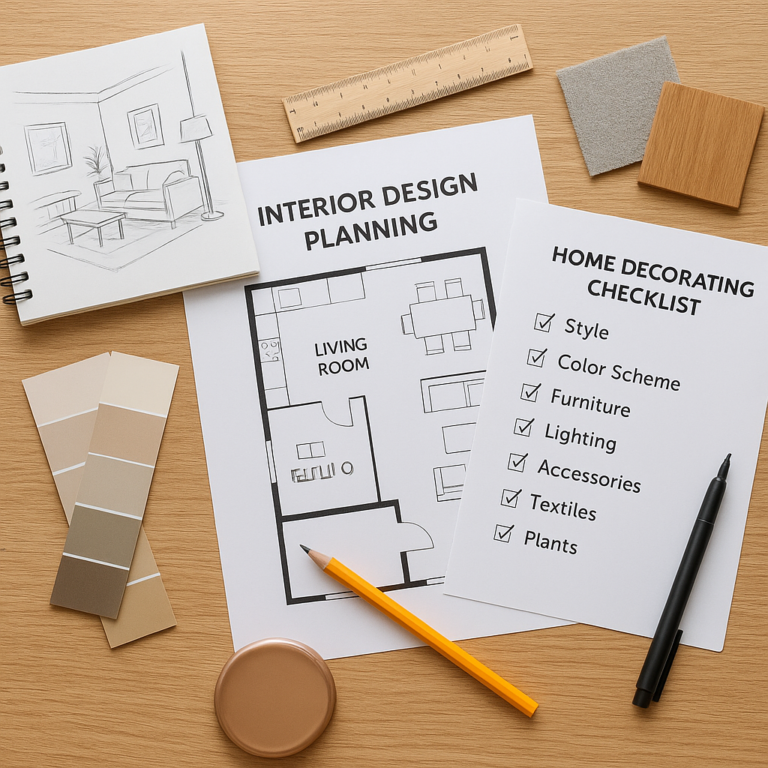
- Measure and Sketch (Optional but Recommended): Before you start heavy lifting, measure your room and your furniture. Sketch out different layouts on paper or use a free online room planner tool (like RoomSketcher). This saves your back!
- Clear the Room (Partially): Move smaller items and accessories out of the way.
- Start with the Largest Piece: Begin by repositioning your sofa, bed, or dining table. These are your anchors.
- Work Outwards: Place secondary pieces like armchairs, side tables, and bookshelves.
- Consider Traffic Patterns: Walk through your new layout. Is it easy to move around? Are there any awkward bottlenecks?
- Experiment with Angles: Don’t be afraid to angle furniture. A sofa pulled slightly off the wall or an armchair turned diagonally can add dynamism.
- Live with It: Give your new layout a few days. Sometimes what looks good on paper feels different in practice.
Expert Tip: The first YouTube video in our article highlights the importance of symmetry in furniture and artwork placement for an elevated aesthetic. Try mirroring elements on either side of a focal point, like two identical lamps on a console table.
✅ Do:
- Pull furniture away from walls to create a more intimate feel.
- Angle sofas and chairs to encourage conversation.
- Experiment with moving pieces from one room to another.
- Consider the “blind spots” above doorways for potential shelving or transoms, as suggested by the first YouTube video, to add architectural interest.
❌ Don’t:
- Block windows or radiators.
- Overfill a room; sometimes less is more.
3. DIY Wall Art and Decorations Using Household Items
Who needs to buy expensive art when you’re a budding Picasso with a house full of potential masterpieces? This is where your creativity truly shines, transforming everyday items into unique decor. As Blesser House suggests, “Go Large with Wall Art” by using DIY methods like shower curtains or plywood. The key is to think outside the box!
Our Anecdote: Our designer, Mark, once created a stunning abstract piece for his living room using leftover house paint, a large piece of cardboard from a moving box, and some old sponges. It looked incredibly chic and cost literally nothing. His secret? A limited color palette and a confident hand.
3.1 Unleashing Your Inner Artist: Ideas and Techniques
- Repurposed Fabric Art:
- Idea: Have an old scarf with a beautiful pattern? Or a piece of fabric from a beloved but worn-out garment? Stretch it over a piece of cardboard or an old canvas (thrift stores are great for these!) and secure it with tape or staples.
- Technique: For a more textured look, try fabric collage.
- Magazine or Book Page Collages:
- Idea: Cut out interesting images, words, or even just colored pages from old magazines or books. Arrange them into a mosaic or abstract design on a piece of cardboard.
- Technique: Use a glue stick or homemade flour paste.
- Nature-Inspired Art:
- Idea: Collect interesting leaves, pressed flowers, small branches, or even pebbles. Arrange them artfully on paper and frame them (using an old frame you already have or found). Business Insider recommends bringing in branches and wildflowers from outside for natural decor.
- Technique: For branches, create a sculptural arrangement in a tall vase or bottle.
- “Abstract” Paint Swatches:
- Idea: If you have leftover paint from a previous project (even small amounts!), use painter’s tape to create geometric patterns on a piece of cardboard or an old canvas. Fill in the shapes with your paint.
- Technique: Use a small brush or even a cotton swab for precision.
- “Gallery Wall” from Personal Photos:
- Idea: Print out your favorite photos (if you have a printer) or use existing ones. Arrange them in a cohesive gallery wall. Business Insider suggests refreshing photos and wall art by swapping out old photos or displaying new prints.
- Technique: Use a uniform color palette for frames (if you have multiple, consider painting them all the same color with leftover paint) or arrange them symmetrically for a luxe, cohesive look, as Blesser House advises for streamlining gallery walls.
3.2 DIY Decor Accents
- Vases from Bottles: Clean out interesting glass bottles (wine, olive oil, perfume) and use them as vases for single stems or small bouquets.
- Candle Holders from Jars: Mason jars or old jam jars can be transformed into rustic candle holders. Decorate them with twine or leftover lace.
- Book Stacks: Use stacks of books (sorted by color or size, as Business Insider suggests for bookshelves) as risers for small decorative objects or plants.
- “Sculptural” Furniture: The first YouTube video suggests incorporating sculptural furniture with unique shapes. While you can’t buy new, look at your existing furniture. Can you remove a drawer from a dresser to create an open cubby? Can you flip a small stool upside down for a new look?
✅ Do:
- Look for inspiration online (Pinterest is a treasure trove!).
- Use what you have: old frames, fabric scraps, natural elements, leftover paint.
- Mat your photos with thick white mats (even if DIY from cardboard) for a more luxurious look, as Blesser House recommends.
❌ Don’t:
- Strive for perfection; handmade items have charm.
- Overdo it; a few well-placed pieces are better than too many.
4. Harness Natural Light: Brighten Up Your Home Without Bulbs
Natural light is a decorator’s best friend, and it’s absolutely free! It makes rooms feel larger, more inviting, and can even boost your mood. Maximizing it is one of the quickest ways to make your house look nicer without spending a dime.
Our Anecdote: One client’s living room felt perpetually dim, even on sunny days. After we removed heavy, dark curtains and cleaned the windows, the room was bathed in light. The client couldn’t believe the difference – it felt like a completely different space, all thanks to a little elbow grease and a willingness to let the sun in!
4.1 Strategies for Maximizing Sunlight
- Window Treatments:
- Remove Heavy Curtains: If you have thick, dark curtains, consider taking them down entirely or replacing them with sheer, light-colored ones you already own (or can make from a light sheet).
- Hang Curtains High and Wide: As Blesser House advises, hang curtain rods several inches above the window frame and extend them wider than the window itself. This makes windows appear larger and ceilings taller. If you don’t have curtains, consider using a light sheet or even nothing at all for a minimalist look.
- Clean Windows: This sounds obvious, but sparkling clean windows let in significantly more light.
- Mirror Placement:
- Reflect Light: Place large mirrors opposite windows to bounce natural light deeper into the room. This also creates the illusion of more space. Blesser House suggests using antique or luxe-style mirrors for added elegance – look for these at thrift stores!
- Furniture Placement:
- Don’t Block Windows: Avoid placing tall furniture directly in front of windows.
- Angle Towards Light: Arrange seating to face or be angled towards windows, inviting natural light into the conversation area.
- Keep Surfaces Clear: Clutter absorbs light. Clear surfaces allow light to reflect and spread.
4.2 The Benefits of Brightness
- Perceived Space: Rooms flooded with natural light feel larger and more open.
- Mood Booster: Natural light is known to improve mood and productivity.
- Energy Saver: Less reliance on artificial lighting during the day.
- Highlights Features: Natural light beautifully illuminates architectural details and decor.
✅ Do:
- Regularly clean your windows, inside and out.
- Experiment with removing or repositioning window treatments.
- Strategically place mirrors to amplify light.
❌ Don’t:
- Use dark, heavy drapes in rooms that already lack light.
- Block windows with large furniture.
5. Deep Clean and Maintain: The Secret Weapon for a Polished Look
This might not sound like “decorating,” but trust us, a deep clean is the most underrated and effective free home makeover you can undertake. A truly clean home instantly looks more expensive, well-maintained, and inviting. Business Insider emphasizes this, stating, “Deep Clean Carpets and Rugs” and “Improves home appearance and cleanliness.”
Our Anecdote: We once visited a home with beautiful furniture and art, but dusty surfaces, smudged windows, and a slightly grimy bathroom. After a thorough deep clean, the client was amazed. “It’s like everything just popped!” they said. The existing decor suddenly looked intentional and luxurious.
5.1 The Deep Clean Checklist: Beyond the Surface
- Dust Everything: Not just surfaces, but also ceiling fans, light fixtures, baseboards, door frames, and blinds. Use a damp cloth to pick up dust, not just move it around.
- Clean Windows and Mirrors: Use a homemade solution of vinegar and water for streak-free shine.
- Scrub Floors and Carpets:
- Hard Floors: Mop thoroughly, paying attention to corners and grout lines.
- Carpets/Rugs: Vacuum meticulously. For stubborn stains or a general refresh, Business Insider suggests scrubbing rugs by hand. A mixture of baking soda and vinegar can work wonders on many carpet stains (always patch test first!).
- Polish Fixtures: Shine faucets, doorknobs, and light fixtures. Even tarnished brass can be polished with household items like lemon and baking soda.
- Clean Upholstery: Vacuum sofas and chairs. For fabric stains, a gentle scrub with a damp cloth and mild soap can refresh them.
- Declutter and Organize as You Go: As you clean, put things back in their designated spots. This reinforces the decluttering efforts.
- Address Odors: Open windows for fresh air. Use natural odor absorbers like bowls of baking soda or activated charcoal (which Blesser House mentions for home scent).
5.2 The Power of Maintenance
- Daily Tidy-Up: Spend 15 minutes each day putting things away, wiping down counters, and making beds. This prevents overwhelming build-up.
- Weekly Refresh: A quick vacuum, dusting of main surfaces, and bathroom wipe-down keeps things sparkling.
- Monthly Deep Dive: Focus on one area for a more thorough clean each month (e.g., kitchen cabinets, baseboards, window sills).
✅ Do:
- Create a cleaning schedule and stick to it.
- Use natural cleaning solutions to save money and be eco-friendly.
- Neaten wires and cables behind furniture or with simple ties, as Courtney Turk advises in Business Insider. This instantly makes a space feel more high-end.
❌ Don’t:
- Let dirt and grime accumulate; it detracts from even the most beautiful decor.
- Forget about “hidden” areas like inside cabinets or under furniture.
6. Upcycle and Repurpose: Transform Old Items Into Chic Decor
This is where your inner alchemist comes out! Upcycling and repurposing are about giving new life to old, forgotten, or discarded items. It’s the epitome of decorating without money, turning trash into treasure. House by the Preserve highlights this, with examples like Natalie from Nelide Design distressing a vintage map for under $10 (or free if you have the map and supplies!).
Our Anecdote: Our lead designer, Elena, once found an old, chipped wooden ladder in a client’s garage. Instead of discarding it, she cleaned it, gave it a light sanding, and repurposed it as a unique bookshelf in their living room, displaying plants and small decorative items. It became an instant conversation piece!
6.1 Upcycling Magic: Ideas and Transformations
- Old Furniture Revamp:
- Idea: That wobbly chair, scratched side table, or dated dresser? Don’t toss it! If you have leftover paint, give it a fresh coat. If not, a good cleaning and some elbow grease can still make a huge difference.
- Technique: Sanding down a piece to reveal natural wood grain can be stunning. Or, if you have old fabric scraps, you could reupholster a small stool or chair seat.
- Glass Jars and Bottles:
- Idea: We mentioned these for vases, but they can also become storage containers for pantry items, craft supplies, or bathroom essentials.
- Technique: Remove labels, clean thoroughly, and if you have any leftover spray paint, give them a uniform look.
- Books as Decor:
- Idea: Old books with interesting covers can be stacked to create risers for plants or decorative objects. You can also turn them spine-in for a minimalist look.
- Technique: For a truly unique look, consider carefully removing pages from an old, damaged book to create paper art or a sculptural piece.
- Fabric Scraps and Old Clothes:
- Idea: Turn old t-shirts into cleaning rags, or cut up old jeans into denim patches for a rustic throw pillow cover (if you have a needle and thread). Leftover fabrics, buttons, and lace can update pillows or blankets, as Business Insider suggests.
- Technique: Braiding fabric strips can create a unique rug or basket.
- Wooden Crates/Pallets:
- Idea: If you can safely acquire these (check local stores or construction sites for free discards), they can be cleaned, sanded, and stacked to create shelving, a coffee table, or even a pet bed.
- Technique: Ensure they are clean and splinter-free.
6.2 The Benefits of Repurposing
- Uniqueness: Your decor will be one-of-a-kind.
- Sustainability: Reduces waste and your environmental footprint.
- Cost-Free: The ultimate budget-friendly decorating method.
- Personal Story: Each repurposed item tells a tale.
✅ Do:
- Look at every item with fresh eyes: “What else could this be?”
- Search for inspiration on sites like Pinterest or our own DIY Decor Projects section.
- Be patient; some projects take time.
❌ Don’t:
- Keep broken items “just in case” if they can’t be safely repurposed.
- Overwhelm your space with too many DIY projects; curate thoughtfully.
7. Green Thumb on a Budget: Indoor Plants That Thrive Without Spending
Bringing the outdoors in is a fantastic way to add life, color, and freshness to your home, and it doesn’t have to cost a cent! Plants not only beautify a space but also improve air quality and boost mood. Blesser House reminds us to “Add Flowers or Plants” for a fresh, calming vibe.
Our Anecdote: Our office manager, David, has an incredible collection of houseplants, almost all of which started as cuttings from friends or were propagated from his own plants. His office feels like a serene oasis, all thanks to his green thumb and a network of plant-loving pals.
7.1 Free Plant Power: Cuttings, Seeds, and Foraging
- Propagate from Cuttings:
- Idea: Many common houseplants can be easily propagated from cuttings. Ask friends, family, or neighbors if you can take a small cutting from their healthy plants.
- Common Plants for Cuttings: Pothos, Philodendron, Spider Plants, Snake Plants, ZZ Plants, Coleus, African Violets.
- Technique: For most, simply snip a stem below a node (where a leaf attaches), remove lower leaves, and place in a glass of water. Roots will usually appear in a few weeks. Once rooted, plant in a small pot with soil (you might have a little leftover potting mix, or even just garden soil if you’re careful).
- Grow from Seeds/Scraps:
- Idea: You can grow some edible plants from kitchen scraps! Avocado pits, sweet potato, green onion bottoms, and even some herb stems can sprout.
- Technique: Research specific methods for each. Avocado pits, for example, can be suspended in water with toothpicks.
- Forage for Natural Elements:
- Idea: Bring in branches, wildflowers, or interesting grasses from your yard or a local park (be mindful of local regulations and don’t take from protected areas). Business Insider suggests large cherry blossoms or spring flowers.
- Technique: Arrange them in a vase or bottle you already own. Dried flowers or seed pods can also make beautiful, long-lasting arrangements.
- Plant Swaps:
- Idea: Look for local plant swap groups online (Facebook groups are great for this!). You can trade your excess cuttings or propagated plants for new varieties.
7.2 The Benefits of Greenery
- Air Purification: Plants naturally filter toxins from the air.
- Visual Appeal: Adds texture, color, and life to any room.
- Stress Reduction: Studies show interacting with plants can lower stress levels.
- Biophilic Design: Connects your home to nature, promoting well-being.
✅ Do:
- Start small and be patient with propagation.
- Research the specific needs of each plant you acquire.
- Use repurposed containers like old mugs, jars, or tins as planters.
❌ Don’t:
- Overwater your plants – this is a common killer!
- Place plants in direct, harsh sunlight if they prefer shade.
8. Textile Tricks: Use What You Have to Refresh Your Space
Textiles – think blankets, pillows, towels, and even old clothes – are incredibly versatile tools for transforming a room without spending a dime. They add texture, warmth, and can introduce subtle pops of color or pattern.
Our Anecdote: Our decorator, Chloe, once helped a client completely refresh their bedroom just by swapping out their mismatched throw pillows with covers made from old, patterned scarves and a cozy blanket from the living room. The room instantly felt more cohesive and inviting, proving that sometimes, the solution is just a room away!
8.1 Repurposing and Reimagining Textiles
- Pillow Power:
- Idea: Don’t like your current throw pillows? Swap covers between rooms. If you have old scarves, sweaters, or even sturdy fabric scraps, you can create new pillow covers (even no-sew options with fabric glue or safety pins!). Blesser House recommends upgrading throw pillows with down or down-alternative inserts, but if you’re truly spending no money, focus on the covers you already have.
- Technique: For a quick refresh, simply flip pillows to a different side if they have a reversible pattern or solid color.
- Blanket Bonanza:
- Idea: Move blankets from one room to another. A cozy throw from the bedroom might look fantastic draped over a sofa in the living room.
- Technique: Experiment with different folds and drapes. A neatly folded blanket adds a sense of order, while a casually draped one creates a relaxed vibe.
- Towel Transformation:
- Idea: Blesser House suggests using white towels for a spa-like bathroom ambiance. If you have white towels, ensure they are clean and neatly folded or rolled. If not, arrange your existing towels in a visually pleasing way.
- Technique: Roll towels neatly and stack them, or fold them precisely and display them on an open shelf.
- Bed Linen Brilliance:
- Idea: Blesser House recommends white bed linens to mimic hotel luxury. If you have white sheets, use them! If not, ensure your existing linens are clean, wrinkle-free, and neatly made.
- Technique: A well-made bed instantly elevates a bedroom. Smooth out wrinkles, tuck in sheets, and arrange pillows neatly. For more bedroom styling tips, visit our Bedroom Styling section.
- Fabric as Wall Art:
- Idea: An old scarf, a beautiful piece of fabric, or even a patterned tea towel can be hung on the wall as unique, soft wall art.
- Technique: Use small nails, thumbtacks, or even clothespins on a string for a bohemian look.
8.2 The Impact of Textiles
- Adds Texture: Soften hard lines and add visual interest.
- Introduces Color/Pattern: A subtle way to inject personality.
- Enhances Comfort: Makes a space feel more inviting and cozy.
- Seasonal Updates: Easily swap textiles for a fresh seasonal look without buying new items.
✅ Do:
- “Shop” your own home for textiles that can be repurposed.
- Ensure all textiles are clean and well-maintained.
- Experiment with different arrangements and folds.
❌ Don’t:
- Use worn-out, faded, or stained textiles; they detract from the overall look.
- Overwhelm a space with too many patterns or textures.
9. Create Cozy Corners: Maximize Comfort Without Cost
Every home needs a cozy corner – a little sanctuary where you can relax, read, or simply unwind. The best part? You can create these inviting nooks using only what you already have, maximizing comfort without spending a single penny.
Our Anecdote: Our designer, Liam, once transformed a neglected corner in a client’s living room into a charming reading nook. He pulled an existing armchair into the corner, added a floor lamp from another room, and draped a throw blanket over the chair. A stack of books and a small plant (propagated from a cutting!) completed the look. The client was thrilled to have a dedicated spot for quiet time.
9.1 Crafting Your Comfort Zone
- Identify an Underutilized Space: Look for an empty corner, a spot by a window, or even a wide landing on a staircase.
- Anchor with Seating:
- Idea: Use an existing armchair, a comfortable dining chair, a floor cushion, or even a stack of sturdy pillows.
- Technique: Position it to face a window or a pleasant view.
- Add Softness and Texture:
- Idea: Drape a throw blanket (from another room!) over the chair. Add a pillow or two for extra comfort.
- Technique: Arrange them invitingly, as if someone is about to settle in.
- Illuminate with Existing Lighting:
- Idea: Pull a floor lamp or a table lamp (from a side table) into your cozy corner.
- Technique: Ensure the light is warm and inviting, perfect for reading. The first YouTube video suggests using wall sconces instead of table lamps to free up surface area and add a custom feel – if you have existing sconces, make sure they’re clean and functional!
- Personalize with Found Objects:
- Idea: A small side table (maybe an inverted crate or a stack of books) can hold a cup of tea. Add a small plant (from your propagated collection!), a favorite book, or a framed photo.
- Technique: Keep it simple and uncluttered.
9.2 The Psychology of Cozy Corners
- Sense of Retreat: Provides a personal escape within your home.
- Visual Interest: Breaks up large rooms and adds depth.
- Increased Functionality: Makes every inch of your home work harder.
- Emotional Comfort: Creates a feeling of security and relaxation.
✅ Do:
- Think about what makes you feel comfortable and relaxed.
- Use items that are easily movable so you can experiment.
- Keep the area clean and free of clutter.
❌ Don’t:
- Overstuff the corner; it should feel inviting, not cramped.
- Forget about lighting; it’s crucial for ambiance.
10. Personalize with Photos and Memorabilia: Storytelling Through Decor
Your home should tell your story, and there’s no better way to do that than by incorporating personal photos and cherished memorabilia. These items are not only free but also infuse your space with warmth, personality, and a unique narrative that no store-bought decor can replicate.
Our Anecdote: One of our clients had a collection of beautiful vintage postcards from their grandparents’ travels. We helped them arrange these postcards in a simple grid on a wall, using small pieces of painter’s tape to secure them. It became a stunning, deeply personal gallery wall that sparked joy and conversation. It was a testament to the power of personal history in decor.
10.1 Curating Your Personal Narrative
- Photo Displays:
- Idea: Gather your favorite printed photos. If you have frames, use them! If not, consider creating a “clothesline” display with twine and clothespins, or simply taping them to a wall in a cohesive arrangement. Business Insider suggests refreshing photos and wall art by swapping out old photos or displaying new prints.
- Technique: For a sophisticated look, use a uniform style (e.g., all black and white photos, or all photos from a specific trip). Blesser House advises to mat your photos with thick white mats for a more luxurious appearance – you can even DIY these from sturdy white cardboard.
- Memorabilia as Art:
- Idea: Do you have old concert tickets, postcards, children’s drawings, or small trinkets from travels? These can be displayed in creative ways.
- Technique: Create a shadow box effect by arranging small items inside an old picture frame (without the glass), or simply arrange them artfully on a shelf or tabletop.
- Collections as Decor:
- Idea: If you collect anything – vintage keys, seashells, interesting rocks – arrange them thoughtfully.
- Technique: Display them in a clear glass jar, on a tray, or grouped together on a shelf. The key is curation, not clutter.
- Books as Reflection:
- Idea: Your book collection is a reflection of your interests. Arrange them neatly, perhaps by color or genre, and intersperse with small personal items.
- Technique: Stack some horizontally, some vertically, and place a small photo or a piece of memorabilia on top of a stack.
10.2 The Emotional Impact of Personal Decor
- Authenticity: Your home truly feels like yours.
- Conversation Starters: Guests will be drawn to your unique story.
- Emotional Connection: Surrounded by cherished memories, your home becomes a sanctuary.
- Free and Meaningful: The most valuable decor often comes with no price tag.
✅ Do:
- Select items that hold genuine meaning for you.
- Group similar items for a more impactful display.
- Keep displays clean and dust-free.
❌ Don’t:
- Display too many items, which can lead to clutter.
- Force items into your decor if they don’t genuinely fit your style or story.
How to Make Your House Look Expensive on a Budget: Expert Secrets Revealed
Now that we’ve covered the absolute zero-cost transformations, let’s delve into how to make your home look genuinely expensive without actually spending much. This isn’t about buying luxury items; it’s about mimicking high-end aesthetics through clever choices, DIY ingenuity, and strategic styling. Many of these tips might involve a tiny investment in basic supplies (like a can of paint or some hardware), but the impact far outweighs the minimal cost, making them feel “free” in comparison to their perceived value.
We’ve gathered insights from our team and cross-referenced with top design experts to bring you the ultimate guide to affordable luxury.
1. The Power of Paint: A Game-Changer for Pennies
Paint is arguably the most transformative tool in a decorator’s arsenal, and it’s surprisingly affordable if you use leftover paint or find discounted “oops” cans.
1.1 Contrasting Doors and Architectural Details
- Blesser House Insight: “Choosing anything but plain white makes your home feel custom without needing to spend a lot.” They specifically recommend painting interior doors a contrasting color, like Benjamin Moore Wrought Iron (a deep, moody gray) or bold steely gray/taupe.
- Our Take: We couldn’t agree more! A dark, rich color on interior doors (even just the front door’s interior side) creates an instant sense of drama and sophistication. It frames the entryways and adds an unexpected custom detail. If you have leftover black or dark gray paint, this is your moment!
- DIY Tip: If you don’t have paint, consider using a dark-colored permanent marker to “paint” the edges of your doors for a subtle contrast, or even just cleaning them meticulously to make them pop against lighter walls.
1.2 Molding and Wall Trim: The Illusion of Grandeur
- Blesser House Insight: They champion adding molding, wall trim, or architectural details, suggesting DIY options or enhancing existing crown molding. Creating grid walls or wall treatments adds luxury appeal.
- Our Take: Architectural details are the hallmark of high-end homes. While adding new molding might involve a small purchase of wood and paint, you can simulate this effect for free.
- Faux Paneling: Use painter’s tape to create geometric patterns (squares, rectangles) on a wall, then paint the inside of the shapes with a slightly different shade of the same wall color, or even just a clean white if your walls are colored. This creates the illusion of raised panels.
- Accent Walls: Business Insider suggests using leftover paint for accent walls or patterns. A single wall painted in a bold, rich hue (like navy blue, as Blesser House suggests) can make a room feel incredibly luxurious.
- The First YouTube Video also emphasizes adding architectural details like molding, reinforcing this as a key strategy for an expensive look.
1.3 Monochromatic Schemes and Subtle Paint Tricks
- The First YouTube Video highlights employing monochromatic color schemes in bedrooms and other spaces.
- Our Take: Painting walls and trim the same color (as Blesser House also suggests) creates a seamless, expansive, and sophisticated look. This is especially effective in lighter neutrals. If you have enough of one color of paint, this is a free way to create a high-end feel.
- Subtle Paint Ways: The video also mentions using paint in subtle ways to add interest. This could be painting the inside of a bookshelf, or creating a subtle stripe pattern with two very similar shades of paint you already have.
2. Hardware Hacks: Small Details, Big Impact
- Blesser House Insight: “Change Out Hardware” – swapping cabinet knobs and doorknobs for vintage or modern styles. “Small details that significantly impact the room’s look.”
- Our Take: This is a classic trick. While buying new hardware isn’t “free,” you can repurpose existing hardware or give it a facelift.
- Swap Hardware: Do you have a dresser with boring knobs but a cabinet with interesting ones? Swap them!
- Paint Hardware: If you have leftover spray paint (black, gold, or silver), you can transform existing hardware. A matte black finish on old brass knobs can look incredibly modern and expensive.
- Clean and Polish: Sometimes, old hardware just needs a good scrub and polish to shine again.
- Thrift Store Finds: If you’re willing to spend a tiny amount, thrift stores often have bags of hardware for next to nothing.
- Why it Works: High-end homes pay attention to every detail. Upgraded hardware signals quality and intentional design.
3. Lighting Layering: Creating Ambiance and Depth
- Blesser House Insight: “Customize Lighting, Oversize Fixtures” and “Layer Your Lighting” (ambient, task, accent).
- Our Take: While buying new fixtures is out of scope for “without money,” you can absolutely layer your existing lighting and make it feel custom.
- Rearrange Lamps: Move table lamps and floor lamps to create different zones of light. Use them to highlight specific areas or pieces of art.
- Use Dimmers (if you have them): If you have dimmer switches, use them! They instantly elevate the mood and create a sophisticated ambiance.
- Clean Fixtures: Dusty light fixtures dim the light. Give them a good clean.
- Update Lamp Shades: Blesser House suggests swapping old shades for modern styles. If you have an old lampshade, consider removing the fabric and leaving the wire frame for an industrial look, or covering it with a fabric scrap you already own.
- The First YouTube Video suggests using wall sconces instead of table lamps to free up surface area and add a custom feel. If you have sconces, ensure they are clean and functional.
4. Strategic Styling: The Art of Arrangement
- Blesser House Insight: “Streamline Gallery Walls” with a uniform color palette and matching frames. “Be Intentional with Household Items” – decant soaps, display utensils, choose pretty storage.
- Our Take: This is where your decluttering and rearranging efforts pay off.
- Curated Vignettes: Group objects you already own (books, small plants, candles, personal mementos) into small, intentional arrangements on coffee tables, bookshelves, or dressers. Use the “rule of three” for visual appeal.
- Bookshelf Styling: Business Insider advises organizing and styling bookshelves by sorting books by color or size, and stacking them with decorative items. This makes a huge difference.
- Decant and Display: If you have attractive bottles, decant hand soap, dish soap, or even mouthwash into them. This instantly elevates a bathroom or kitchen.
- Organize Toys: Blesser House recommends organizing toys in cabinets/bins to keep clutter out of sight. This applies to any functional items that can be neatly stored.
5. Natural Materials and Vintage Finds: Authentic Luxury
- Blesser House Insight: “Choose Natural Materials” like real marble, solid wood, leather, antique brass, and crystal, often found secondhand. “Incorporate Heirloom or Vintage Pieces” from estate sales or flea markets.
- Our Take: While you’re not buying new, you can certainly “shop your home” for these elements or look for free finds.
- Wood and Stone: Do you have any wooden cutting boards, stone coasters, or even interesting rocks? Use them as decorative elements.
- Heirlooms: Display family heirlooms – a vintage vase, an old clock, a piece of crystal – prominently. They add character and a sense of history that money can’t buy.
- Thrift for Vintage Decor: Blesser House encourages thrifting for vintage decor to mix old and new for a layered, sophisticated vibe. While this isn’t strictly “without money,” it’s the closest you can get to acquiring new pieces for minimal to no cost if you’re lucky enough to find free items or swaps.
6. The Sensory Experience: Don’t Forget Scent!
- Blesser House Insight: “Mind Your Home’s Scent” using diffusers, candles, wax melts, or charcoal bags.
- Our Take: A pleasant scent instantly makes a home feel more inviting and luxurious.
- Natural Scents: Open windows for fresh air. Simmer citrus peels, cinnamon sticks, or cloves on the stove. Place bowls of dried potpourri (made from collected dried flowers or herbs) around the house.
- Charcoal Bags: These are great for absorbing odors naturally, making your home smell fresh without adding artificial scents. You might already have some or can make your own from activated charcoal.
Block-level CTA (Inspiration for mimicking expensive looks):
- For Hardware Inspiration:
- Cabinet Knobs: Amazon | Etsy
- Door Levers: Amazon | Baldwin Hardware Official Website
- For Paint Color Inspiration:
- Benjamin Moore Wrought Iron: Benjamin Moore Official Website
- Sherwin-Williams Naval: Sherwin-Williams Official Website
- For Curtain Hanging Inspiration:
- Curtain Rods: Amazon | Pottery Barn Official Website
Psychology of Space: How Perception Changes Your Home’s Appeal
It’s not just about what your home looks like; it’s about how it feels and how it makes you and your guests perceive it. The psychology of space plays a huge role in making a house feel “nice” or even “expensive,” and many of these psychological tricks are completely free.
Our Anecdote: We once worked with a client who had a beautifully furnished home, but it felt cold and uninviting. After we introduced more personal touches, rearranged furniture to encourage conversation, and focused on creating a sense of calm through decluttering, the client remarked, “It finally feels like home.” The change wasn’t in the objects, but in the emotional connection to the space.
1. The Illusion of Space and Light
- Openness: A decluttered space naturally feels larger and more open. This reduces feelings of confinement and stress.
- Natural Light: As discussed, abundant natural light is linked to improved mood, productivity, and a sense of well-being. It makes a room feel fresh and vibrant.
- Vertical Lines: Hanging curtains high and wide, or adding vertical elements (like tall plants or a narrow bookshelf), draws the eye upwards, making ceilings appear higher and rooms feel grander.
2. The Power of Order and Cohesion
- Reduced Cognitive Load: Clutter creates visual noise, which can be mentally draining. An organized space reduces this “cognitive load,” allowing your mind to relax.
- Intentionality: When items are thoughtfully arranged, even if they are old or repurposed, it signals intentional design. This makes a space feel curated and expensive, rather than haphazard.
- Color Psychology: While we’re not buying new paint, understanding the colors you already have is key. Neutrals create a calming base (as Blesser House suggests), while pops of color (from existing items) can add energy. Monochromatic schemes (as highlighted by the first YouTube video) create a sophisticated, serene feel.
3. Creating Connection and Comfort
- Conversation Zones: Arranging furniture to facilitate conversation (e.g., chairs facing each other, a coffee table within reach) fosters a sense of connection and hospitality.
- Personalization: Displaying photos and cherished memorabilia creates an emotional connection to the space, making it feel warm, authentic, and uniquely yours. This is crucial for a home to feel “nice.”
- Sensory Experience: A clean, fresh scent, comfortable textiles, and appropriate lighting all contribute to a positive sensory experience, making a home feel more inviting and luxurious.
4. The “Borrowed” Luxury Effect
- Mimicking High-End: By applying principles like architectural details (even faux ones), streamlined gallery walls, and attention to hardware, you’re tapping into design elements typically associated with high-end homes. This subtly influences perception.
- Curated vs. Matched: Mismatched furniture, when thoughtfully curated (as Blesser House suggests), can look more unique and expensive than a generic matching set. It implies a discerning eye and a collection built over time.
Key Takeaway: Your home’s appeal isn’t solely about its contents, but about the story it tells, the feelings it evokes, and the sense of peace and beauty it provides. All of this can be achieved without spending money, by simply understanding and manipulating the psychology of space.
Common Mistakes to Avoid When Decorating Without Money
While decorating without money is incredibly rewarding, it’s easy to fall into traps that can actually make your home look worse or more cluttered. Our team has seen it all, and we’re here to help you steer clear of these common pitfalls.
Our Anecdote: One client, in an effort to “decorate for free,” started collecting every interesting item they found on the street. Their home quickly became a chaotic jumble of mismatched, uncleaned items that felt more like a storage unit than a living space. We had to gently guide them back to the principle of curation over accumulation.
❌ 1. Over-Accumulating “Free” Items
- The Trap: Seeing something free (on the curb, from a friend, etc.) and taking it home without a clear purpose or space for it.
- Why it’s a Mistake: This quickly leads to clutter, which, as Business Insider’s Javier Fernandez notes, “can change the look and feel of any room” for the worse. It negates all your decluttering efforts.
- Our Advice: Be discerning. Only bring in items that you genuinely love, need, or have a specific plan to repurpose. Ask yourself: “Does this spark joy?” or “Do I have a clear vision for this?”
❌ 2. Neglecting Cleanliness and Maintenance
- The Trap: Focusing solely on “decorating” while overlooking the fundamental need for a clean, well-maintained space.
- Why it’s a Mistake: Even the most beautifully arranged items will look sad in a dusty, dirty, or unkempt environment. A deep clean is the ultimate free makeover, as Business Insider emphasizes.
- Our Advice: Prioritize deep cleaning before any decorating efforts. Regular maintenance is key to making your existing items shine.
❌ 3. Forgetting About Scale and Proportion
- The Trap: Placing items that are too small or too large for the space, or grouping items without considering their visual weight.
- Why it’s a Mistake: Incorrect scale can make a room feel awkward, unbalanced, or even smaller than it is. Blesser House highlights the importance of “Appropriately Sized Rugs” for defining spaces and balancing proportions – this principle applies to all decor.
- Our Advice: Step back and look at your arrangements from a distance. Use larger items as anchors and smaller items to fill in. Don’t be afraid of empty space; it allows the eye to rest.
❌ 4. Ignoring Functionality
- The Trap: Arranging items purely for aesthetics without considering how the space needs to be used.
- Why it’s a Mistake: A beautiful but impractical home is frustrating to live in. If furniture blocks pathways or surfaces are too cluttered to be useful, your “nice” home becomes a nuisance.
- Our Advice: Always balance form and function. Ensure traffic flow is clear, and that essential items are easily accessible.
❌ 5. Trying to Replicate a Look Exactly
- The Trap: Seeing an expensive design online and trying to perfectly recreate it with free items, leading to a cheap imitation.
- Why it’s a Mistake: True style comes from authenticity. Trying to copy something exactly often results in a less-than-stellar outcome.
- Our Advice: Use inspiration as a springboard for your own creativity. Focus on the principles of design (color, texture, balance) rather than specific items. Let your personality shine through your unique, repurposed pieces.
❌ 6. Underestimating the Power of Organization
- The Trap: Decluttering but not organizing, leading to items being put away haphazardly or in inconvenient places.
- Why it’s a Mistake: Disorganization, even behind closed doors, can lead to stress and a feeling of chaos. Blesser House stresses that organizing “gives every item a home, making the space feel more expensive.”
- Our Advice: After decluttering, take the time to organize. Use existing bins, baskets, or even shoeboxes to contain items neatly.
By being mindful of these common mistakes, you can ensure your “no-money” decorating efforts result in a truly beautiful and functional home.
Creative Community Resources: Freebies and Swaps to Enhance Your Home
Even when you’re committed to decorating without money, sometimes you need a little something new (to you, at least!). This is where community resources become your best friend. There’s a vibrant world of freebies, swaps, and sharing waiting to be discovered, allowing you to refresh your home without opening your wallet.
Our Anecdote: Our team once helped a client furnish an entire guest room using only items sourced from local “Buy Nothing” groups and a community swap event. From a gently used armchair to unique decorative vases, the room came together beautifully, proving that one person’s trash truly is another’s treasure.
1. Online Community Groups: Your Digital Treasure Chest
- “Buy Nothing” Groups:
- What they are: Hyper-local Facebook groups dedicated to giving and receiving items for free. Members post items they no longer need, and others can request them.
- How to use them: Search for “Buy Nothing [Your Town/Neighborhood]” on Facebook. You can post “ISO” (In Search Of) requests for specific items (e.g., “ISO: small plant pots” or “ISO: interesting glass bottles for decor”).
- Benefits: Environmentally friendly, fosters community, and you can find incredible items from furniture to decor.
- Freecycle Network:
- What it is: A global grassroots movement of people giving and getting stuff for free in their own towns.
- How to use it: Visit Freecycle.org to find a local group. Similar to Buy Nothing, you can post “Offer” or “Wanted” messages.
- Benefits: Great for larger items like furniture, or specific craft supplies.
- Nextdoor App:
- What it is: A neighborhood social networking service. While not exclusively for free items, many users post things they’re giving away in the “For Sale & Free” section.
- How to use it: Download the app and join your neighborhood. Keep an eye on the “Free” listings.
- Benefits: Connects you with neighbors, often for quick pick-ups.
2. Local Swap Events and Community Centers
- Clothing/Item Swaps:
- What they are: Community-organized events where people bring unwanted items (clothes, books, home goods) and swap them for new-to-them treasures.
- How to find them: Check local community center calendars, library event listings, or local Facebook groups.
- Benefits: A fun social event, and a great way to refresh your decor or wardrobe.
- Tool Libraries/Makerspaces:
- What they are: Places where you can borrow tools (like a sander, drill, or sewing machine) for free or a small membership fee. Makerspaces often have shared resources for DIY projects.
- How to find them: Search online for “tool library [your city]” or “makerspace [your city]”.
- Benefits: Allows you to undertake DIY projects (like sanding down a thrifted piece of furniture) without buying expensive tools.
3. Creative Bartering and Skill Swaps
- Bartering:
- What it is: Trading goods or services without using money.
- How to use it: If you have a skill (e.g., gardening, pet-sitting, baking), offer to trade it for an item a friend or neighbor no longer needs. For example, “I’ll babysit for 3 hours if you let me have that old mirror you’re getting rid of!”
- Benefits: Builds relationships and allows for creative problem-solving.
- Skill Shares:
- What it is: Learning a new skill (like basic sewing for pillow covers, or plant propagation) from someone in your community in exchange for teaching them something you know.
- How to use it: Look for local skill-share groups or propose a trade with a friend.
- Benefits: Empowers you to create your own decor and reduces reliance on purchases.
✅ Do:
- Be polite and responsive when communicating in online groups.
- Offer items you no longer need to contribute to the circular economy.
- Be patient; finding the perfect item might take time.
❌ Don’t:
- Take items you don’t genuinely need or have space for.
- Be a “taker” without also offering back to the community when you can.
Seasonal Refreshes: How to Update Your Home’s Look Throughout the Year Without Spending
Your home doesn’t have to stay static. Just like nature changes with the seasons, your decor can too, creating a fresh and inviting atmosphere all year long – and yes, you can do it without spending a single cent! It’s all about repurposing, foraging, and shifting your existing items.
Our Anecdote: Our designer, Maya, loves to “shop her yard” for seasonal decor. In autumn, she gathers colorful leaves and branches for a centerpiece. In winter, she brings in pinecones and evergreen sprigs. In spring, it’s wildflowers. Her home always feels perfectly in tune with the outside world, and it costs her nothing but a walk.
1. Spring into Action: Lightness and Renewal 🌷
- Declutter and Deep Clean: After winter, a thorough declutter and deep clean (as discussed in Section 5) is the ultimate spring refresh. Open windows and let fresh air circulate.
- Lighten Up Textiles: Put away heavy throws and dark pillow covers. Bring out lighter-colored blankets and pillows you already own. If you have sheer curtains, hang them to maximize natural light.
- Forage for Greenery: Bring in budding branches, wildflowers, or fresh green leaves from your yard or a local park. Arrange them in repurposed bottles or jars.
- Rearrange for Airiness: Move furniture to open up pathways and create a sense of spaciousness.
2. Summer Vibes: Brightness and Simplicity ☀️
- Minimalism is Key: Summer often calls for a lighter, less cluttered look. Store away any unnecessary decorative items to create a sense of calm and coolness.
- Embrace Natural Elements: Continue to bring in fresh-cut flowers or branches. Seashells collected from a beach trip (if you have any) can be arranged in a bowl.
- Outdoor Living (Indoors): If you have any outdoor cushions or textiles that can be brought inside, use them to add a relaxed, summery feel to an indoor space.
- Maximize Light: Keep windows sparkling clean and curtains open wide to let in maximum sunlight.
3. Autumn Cozy: Warmth and Texture 🍂
- Introduce Warmth: Bring out heavier throws and cozier pillow covers you already own. Drape blankets invitingly over sofas and armchairs.
- Natural Harvest Decor: Collect fallen leaves in rich reds, oranges, and yellows. Arrange them in bowls or string them together. Gather pinecones, acorns, or interesting seed pods for rustic displays.
- Candlelight Ambiance: Use any candles you have (even if they’re half-burned) to create a warm, flickering glow. Arrange them safely in groups.
- Earthy Tones: If you have any brown, orange, or deep red textiles, bring them to the forefront.
4. Winter Wonderland: Comfort and Sparkle ❄️
- Layer Up: This is the season for maximum coziness. Layer blankets on beds and sofas. Use all your softest pillows.
- Evergreen Touches: If you have access to evergreen branches (pine, fir, cedar), bring them indoors for a festive, natural scent and look. Arrange them in vases or lay them along mantels.
- Sparkle with What You Have: Clean all mirrors and glass surfaces to maximize any light reflection. If you have any metallic items (silver trays, brass candlesticks), polish them up and display them for a touch of shimmer.
- Warm Lighting: Focus on ambient lighting from lamps rather than harsh overhead lights. If you have fairy lights from previous holidays, use them in a non-holiday way (e.g., draped over a bookshelf).
✅ Do:
- Think creatively about what nature offers each season.
- Rotate your existing decor items between rooms or storage.
- Focus on the sensory experience of each season (scent, texture, light).
❌ Don’t:
- Feel pressured to buy new seasonal decor.
- Overwhelm your space with too many seasonal items; a few well-placed touches are more impactful.
Conclusion: Your Journey to a Stunning Home Without Spending a Cent

So, can you really make your house look nice without money? Absolutely ✅! As we’ve explored together, the secret lies not in your bank balance but in your creativity, intention, and willingness to see your space through fresh eyes. From the transformative power of decluttering to the magic of rearranging furniture, from crafting DIY art with household items to harnessing natural light and repurposing what you already own — every step is a building block toward a home that feels polished, inviting, and uniquely yours.
Remember Sarah’s story? Two days of decluttering turned a chaotic house into a breathable sanctuary. Or Mark’s DIY wall art that became a conversation starter without costing a dime. These are not exceptions; they are proof that your home’s potential is already within reach.
And what about making your home look expensive on a budget? With clever paint tricks, strategic styling, and attention to detail — like swapping out hardware or layering lighting — you can mimic luxury without the luxury price tag. The psychology of space teaches us that perception is everything; by manipulating light, scale, and personal touches, you create a home that feels both authentic and upscale.
If you ever felt stuck thinking, “I need to buy new stuff to make my home look better,” we hope this guide has opened your eyes to the treasure trove you already possess. Your journey to a stunning home without spending a cent starts now — and trust us, it’s one of the most rewarding adventures you’ll ever embark on.
Ready to dive deeper into budget-friendly home decor? Explore our Budget Home Decor and DIY Decor Projects for more inspiration.
Recommended Links for Free Home Decorating Ideas and Inspiration
Looking to explore some of the products and ideas mentioned? Here are some curated shopping and resource links to help you get started — many of which can be found secondhand or repurposed, but these links offer inspiration and options if you decide to invest a little later.
-
Benjamin Moore Wrought Iron Paint
Benjamin Moore Official Website | Amazon Paint Supplies -
Cabinet Knobs and Door Hardware
Amazon Cabinet Knobs | Baldwin Hardware Official Website | Etsy Cabinet Knobs -
Curtain Rods and Window Hardware
Amazon Curtain Rods | Pottery Barn Window Hardware -
Books on Budget Home Decorating & DIY
-
Natural Cleaning Supplies Inspiration
DIY Natural Cleaners Guide -
Plant Propagation Resources
The Spruce: How to Propagate Houseplants
FAQ: Your Burning Questions About Decorating Without Money Answered

How can I make my small house look luxurious?
Answer:
Luxury is all about perception and intentionality. In a small house, focus on decluttering to maximize space and light. Use monochromatic color schemes to create a seamless, expansive feel. Incorporate natural light by keeping windows clear and using mirrors to reflect light and visually enlarge the space. Add architectural details like faux molding with painter’s tape or carefully curated gallery walls to mimic high-end design. Use quality over quantity — a few well-chosen items styled thoughtfully will feel more luxurious than many cluttered pieces. For more tips, see our section on How to Make Your House Look Expensive on a Budget.
How can I make my plain house look better?
Answer:
Start with decluttering and deep cleaning — a clean, organized space instantly looks better. Then, rearrange furniture to improve flow and open up the room. Use DIY wall art and personal photos to add character and warmth. Harness natural light by removing heavy curtains and cleaning windows. Incorporate textiles you already own to add texture and color. Remember, small changes like swapping pillows or rearranging lamps can make a big difference. Check our sections on Decluttering and DIY Wall Art for detailed ideas.
What are some easy DIY home decor ideas using items I already have?
Answer:
You can create stunning decor using everyday items! Try:
- Stretching old scarves or fabric over cardboard for wall art.
- Making collages from magazine pages or old book pages.
- Using glass bottles as vases or candle holders.
- Repurposing old books as decorative stacks or sculptural pieces.
- Creating photo galleries with printed photos or postcards.
- Braiding fabric scraps into rugs or pillow covers.
- Using natural elements like branches, leaves, or flowers for arrangements.
For step-by-step guides, see our DIY Wall Art and Upcycle and Repurpose sections.
How can I declutter my space to make my home look more appealing?
Answer:
Decluttering is about intentional letting go. Use the One Year Rule: if you haven’t used it in a year, consider donating or discarding it. Apply the KonMari Method by asking if an item “sparks joy.” Sort items into keep, donate/sell, trash, or relocate piles. Clean the space thoroughly before putting items back. Organize what you keep thoughtfully, giving every item a home. Maintain by daily tidying and avoiding moving clutter from room to room. This process not only frees physical space but also mental space, making your home feel larger and more inviting.
What are simple ways to rearrange furniture for a fresh look?
Answer:
Start by measuring your space and sketching possible layouts. Anchor your room by repositioning the largest piece of furniture first (sofa, bed, dining table). Pull furniture away from walls to create intimacy and flow. Angle chairs to encourage conversation. Ensure pathways are clear and avoid blocking windows or radiators. Experiment with symmetry or asymmetry depending on your style. Live with the new arrangement for a few days before finalizing. Rearranging can reveal hidden potential in your space and refresh your home’s vibe without spending a cent.
How can natural light improve the appearance of my home without spending money?
Answer:
Natural light makes rooms feel larger, cleaner, and more inviting. To maximize it, remove heavy or dark curtains, or hang them high and wide to enlarge window perception. Clean windows inside and out for maximum brightness. Use mirrors opposite windows to reflect light deeper into the room. Arrange furniture to avoid blocking light sources and to face windows where possible. Bright spaces improve mood and perceived value. Best of all, this upgrade is completely free and sustainable.
Reference Links: Trusted Sources and Further Reading
- National Association of Realtors: Decluttering Impact
- Princeton University Neuroscience Institute: Clutter and Brain Function
- Benjamin Moore Official Website
- Baldwin Hardware Official Website
- Business Insider: Interior Designers Share 12 Ways to Make Your Home Look Better Without Buying Anything
- Freecycle Network
- The Spruce: How to Propagate Houseplants
- Epicurious: How to Make Natural Cleaning Products
- Buy Nothing Project
For more expert advice and inspiration, visit our Home Decor Shopping Guides and Budget Home Decor categories at Home Decorations™.
We hope this comprehensive guide has empowered you to transform your home beautifully and freely. Remember, your best decor investment is your time, creativity, and love for your space. Happy decorating! 🎉🏡