Support our educational content for free when you purchase through links on our site. Learn more
🏡 10 Home Decorating Tips for Beginners to Transform Your Space (2026)

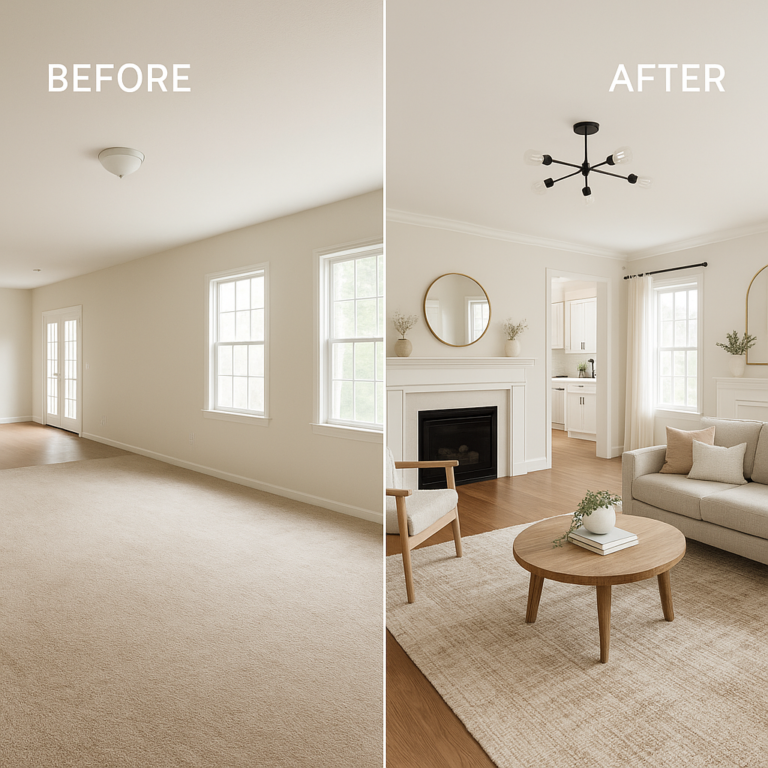
The secret to a stunning home isn’t a massive budget or an eye for design; it’s mastering the 60-30-10 color rule and prioritizing lighting layers before you buy a single piece of furniture. These home decorating tips for beginners will save you from costly mistakes and help you create a space that feels intentional, not accidental.
Imagine walking into a room that looks like it belongs in a magazine, only to realize you spent less than a weekend’s grocery bill. That’s the power of smart planning. Did you know that 85% of homeowners regret at least one major decor decision made without a plan? We’ve all been there, staring at a wall that looks nothing like the swatch we held up in the store.
But don’t panic. Decorating is a journey, not a race. Whether you’re tackling your first apartment or refreshing a family home, the right approach turns chaos into calm. Let’s skip the guesswork and get straight to the strategies that actually work.
Key Takeaways
- Master the 60-30-10 Rule: Use 60% dominant color, 30% secondary, and 10% accent to instantly create a balanced, professional look.
- Lighting is Everything: Layer ambient, task, and accent lighting to transform the mood of a room without spending a fortune.
- Prep is Non-Negotiable: 80% of a perfect paint job comes from proper wall preparation, including washing, filling, and sanding.
- Measure Twice, Buy Once: Always check room dimensions and doorways before purchasing furniture to avoid expensive returns.
- Start with a Mood Board: Visualize your style and color palette digitally or physically before making any commitments.
Table of Contents
- ⚡️ Quick Tips and Facts
- 📜 A Brief History of Home Decorating: From Cave Paints to Modern Minimalism
- 🏠 How to Decorate a Room for Beginners: The Ultimate Step-by-Step Guide
- 🎨 My Tips on Picking the Best Wall Colours for Any Room
- 🖌️ Tips on Choosing the Right Paint for Your Walls: Finish, Shen, and Quality
- 🛠️ Painting and Decorating Tools List: What You Actually Need vs. What You Don’t
- 🧱 Preparing Your Walls: From Stripping Old Wallpaper to Filling Hairline Cracks
- Should I Brush Fresh Plaster with a PVA Solution First?
- How to Fill Dints in Plaster and Hairline Cracks Properly
- Washing the Walls: The Secret Step Most Beginners Skip
- Protect Your Home Before Decorating: Floor Coverings and Furniture Moving
- Keeping Mess Down to a Minimum: Smart Cleanup Strategies
- 🎭 Painting and Decorating Tips: Mastering the Cut-In Technique
- 🎨 Tips for Painting Different Wall Decor Colours: From Dark Hues to Pastels
- 🔧 Caulking to Finish: Sealing Gaps for a Professional Look
- 🚪 Painting Interior Doors, Skirting Boards, and Windowsills Like a Pro
- 🧱 How to Decorate If Your Walls Are Textured: Embrace or Cover?
- 📏 My Tried and Tested Masking Tape Tips and Removal Myths Debunked
- ❓ Common Beginner Mistakes and How to Avoid Them
- 💡 Spring Projects: Seasonal Refresh Ideas for New Decorators
- 🏆 Conclusion
- 🔗 Recommended Links
- 📚 Reference Links
⚡️ Quick Tips and Facts
Before we dive into the deep end of paint swatches and furniture layouts, let’s hit the pause button and grab a quick lifeline. If you’re feeling overwhelmed by the sheer volume of advice out there, here are the non-negotiable golden rules we’ve learned after decades of turning “eh” spaces into “wow” sanctuaries.
- The 60-30-10 Rule is Your Best Friend: This isn’t just a math equation; it’s the secret sauce for color harmony. 60% of your room should be your dominant color (usually walls), 30% your secondary color (upholstery, rugs), and 10% your accent color (pillows, art, small decor). It prevents the room from looking like a chaotic rainbow explosion.
- Lighting is the Invisible Architect: You can have the most expensive sofa in the world, but if your lighting is flat, the room will feel like a hospital waiting room. Always layer your lighting: overhead, task, and ambient.
- Measure Twice, Buy Once: Nothing kills a decorating vibe faster than a sofa that blocks the walkway or a rug that looks like a postage stamp in a living room. Always measure your space and your doorways before you click “buy.”
- Start with the Floor Plan, Not the Paint: Don’t pick a wall color until you know where the furniture goes. The flow of the room dictates the mood, which dictates the color.
- Texture > Color: If you’re stuck on a neutral palette, don’t panic. Add depth with textures like velvet, linen, wood, and metal. It’s often more impactful than a bold hue.
For those of you who want a slightly longer checklist to keep on your fridge, we’ve compiled a more extensive list in our article on 12 Essential Home Decorating Tips for Beginners (2025) 🏡✨.
📜 A Brief History of Home Decorating: From Cave Paints to Modern Minimalism

You might think decorating your first apartment is a modern struggle, but humans have been tweaking their living spaces since we stopped living in caves (mostly).
Back in the day, our ancestors used ochre and charcoal to paint bison on cave walls. Why? To feel connected to nature, to tell a story, or maybe just to make the dark, damp cave feel a little less like a dungeon. Fast forward to the Victorian era, and suddenly, if you didn’t have a velvet curtain, a taxidermy badger, and enough clutter to start a small fire, you were basically a barbarian.
Then came the 20th century, and the pendulum swung hard. The Bauhaus movement said, “Less is more,” stripping away the ornate to focus on function. Today, we are in a weird, wonderful hybrid era where we want the cozy warmth of “cottagecore” but the clean lines of “Scandi-minimalism.”
Why does this matter to you?
Because understanding the history helps you realize that trends are cyclical. That “ugly” avocado green from the 70s? It’s back. The cluttered look of the 90s? We’re trying to unlearn it. Knowing where we came from gives you the confidence to mix eras. Don’t be afraid to put a mid-century modern chair next to a vintage grandmother’s rug. That’s not a mistake; that’s eclectic style.
🏠 How to Decorate a Room for Beginners: The Ultimate Step-by-Step Guide
Okay, let’s get our hands dirty. Decorating a room from scratch feels like trying to solve a Rubik’s cube while blindfolded, doesn’t it? But we’ve broken it down into a manageable, step-by-step journey.
1. Assess Your Space and Define Your Personal Style
Before you buy a single pillow, you need to know who you are and what your space needs.
- The Audit: Walk through the room. What do you actually do here? Do you binge-watch Netflix? Do you host dinner parties? Do you work from home? Your furniture should serve your life, not the other way around.
- The Style Check: Are you a “Modern Farmhouse” lover? A “Mid-Century Modern” devote? Or maybe you just like things that look like they came from a magazine but cost less than a car? Create a Pinterest board or a physical folder. If you see a room you love, ask yourself: What specifically do I like? The color? The lighting? The layout?
2. Set a Realistic Budget and Prioritize Your Needs
Money talks, but in decorating, it whispers. You don’t need to spend a fortune to make a room look amazing.
- The Big Ticket Items: Spend your money on things you use every day: a comfortable sofa, a good mattress, and a sturdy dining table. These are the anchors.
- The Budget Savers: Save your cash on decor, art, and side tables. You can find amazing vintage pieces on Facebook Marketplace or Etsy that have more character than anything from a big-box store.
- Pro Tip: Don’t forget to budget for lighting and paint. These are the cheapest ways to transform a room but are often overlooked until the funds run dry.
3. Measure Twice, Buy Once: The Art of Room Planning
We cannot stress this enough: Measure everything.
- Room Dimensions: Length, width, and ceiling height.
- Doorways and Hallways: Will that new sofa actually fit through the door? (Spoiler: It often doesn’t).
- Traffic Flow: Leave at least 36 inches for major walkways. You don’t want to be doing the “furniture shuffle” every time you want to get a glass of water.
4. Create a Mood Board to Visualize Your Vision
This is where the magic happens. A mood board isn’t just a collage; it’s a blueprint for your sanity.
- Digital Tools: Use apps like Canva, Pinterest, or even PowerPoint to drag and drop images of furniture, paint swatches, and fabrics.
- The “Why” Test: Look at your board. Does it feel cohesive? If you have a rustic wood table and a sleek glass sofa, do they clash or complement?
- Quote to Live By: As one of our favorite designers says, “Creating a digital mood really is the best way to plan a room design.” It saves you from the heartbreak of buying something that looks great in the store but terrible in your living room.
5. Choosing Your Colour Scheme with Confidence
Colors have feelings. Blue calms, yellow energizes, red excites.
- The 60-30-10 Rule (Revisited):
60%: Walls, large rugs, sofa.
30%: Curtains, accent chairs, side tables.
10%: Throw pillows, art, vases. - Undertones Matter: A “white” paint can have blue, yellow, or pink undertones. If your floor is warm oak, a cool blue-white paint might look sickly. Test samples!
6. Understanding the 60-30-10 Rule for Balanced Design
We mentioned it, but let’s break it down. This rule prevents your room from looking like a toddler’s art project.
- Example:
60%: Soft Grey Walls.
30%: Navy Blue Sofa and Curtains.
10%: Mustard Yellow Pillows and Gold Lamp. - Why it works: It creates a hierarchy. Your eye knows where to rest (the 60%), where to travel (the 30%), and where to find the “pop” (the 10%).
7. Selecting the Right Furniture Layout and Flow
Furniture isn’t just about filling space; it’s about conversation.
- The Floating Rule: Don’t push all your furniture against the walls. Pull it in to create a conversation circle.
- The Anchor: Use a large rug to anchor the seating area. All furniture legs should either be fully on the rug or at least the front legs.
- The Focal Point: Identify the room’s focal point (fireplace, TV, window) and arrange furniture to face it or acknowledge it.
8. Lighting 101: Layering for Ambiance and Function
If you only have one overhead light, you are doing it wrong.
- Ambient: The general light (ceiling fixture).
- Task: The light for reading or cooking (desk lamps, under-cabinet lights).
- Accent: The light that highlights art or architecture (track lighting, picture lights).
- The Warmth Factor: Always choose bulbs with a warm white (270K-30K) color temperature for living spaces. Cool white makes a home feel like an office.
9. Accessorizing Without Cluttering: The Final Touches
This is the hardest part. When do you stop?
- The Rule of Three: Group items in odd numbers (3 or 5). It’s more visually interesting than pairs.
- Vary Heights: Use books, pedestals, or risers to create different levels. A flat surface is boring.
- Personal Touches: Add photos, travel souvenirs, or heirloms. A house isn’t a home until it tells your story.
🎨 My Tips on Picking the Best Wall Colours for Any Room
Choosing a wall color is like picking a partner: it’s a big commitment, and you don’t want to regret it in six months.
The “White” Trap:
Many beginners start with a “safe” white. But there are hundreds of whites! Some are creamy, some are icy, some are greige.
- The Test: Paint a large swatch (at least 2×2 feet) on the wall. Look at it in the morning, noon, and night. Does it look pink at 6 PM? Does it look blue at 10 AM?
- The “Mist Coat” Myth: If you have fresh plaster, don’t just slap on regular paint. You need a mist coat (watered-down paint) to let the plaster breathe.
North vs. South Facing Rooms:
- North Facing: Gets cool, gray light. Use warm tones (creams, soft yellows, warm grays) to balance it out.
- South Facing: Gets warm, bright light. You can get away with cooler tones (blues, greens, crisp whites) without the room feeling cold.
Don’t Forget the Ceiling:
The ceiling is the “fifth wall.” Painting it a slightly darker shade of your wall color can make a room feel cozy and intimate. Painting it white makes it feel taller.
🖌️ Tips on Choosing the Right Paint for Your Walls: Finish, Shen, and Quality
Not all paint is created equal. Choosing the wrong shen can lead to peling, scuffing, or a room that looks like a cheap rental.
| Shen Type | Best For | Pros | Cons |
|---|---|---|---|
| Flat / Matte | Ceilings, low-traffic bedrooms | Hides imperfections beautifully, elegant look | Not washable, marks easily |
| Eggshell | Living rooms, dining rooms | Soft shen, slightly washable | Can show brush marks if not applied well |
| Satin | Kitchens, bathrooms, hallways | Durable, easy to clean, slight shine | Highlights wall bumps and dents |
| Semi-Gloss | Trim, doors, cabinets | Very durable, easy to wipe down | Shows every imperfection, high shine |
| High-Gloss | Doors, furniture accents | Ultra-durable, dramatic look | Requires perfect prep, very reflective |
Brand Recommendations:
- Dulux: Their Easy Care range is fantastic for beginners because it’s scrubbable and hides imperfections well.
- Benjamin Moore: Known for high-quality pigments and excellent coverage, though pricier.
- Farrow & Ball: Beautiful, deep colors, but expensive and requires specific primers.
Pro Tip: If you have kids or pets, skip the flat matte. Go for Eggshell or Satin. You’ll thank yourself when you need to wipe off a crayon mark.
🛠️ Painting and Decorating Tools List: What You Actually Need vs. What You Don’t
You don’t need a warehouse full of gear. Here’s the essential toolkit for a beginner.
The Must-Haves:
- Wooly Roller: For walls (textured roller covers hold more paint).
- Foam Roller: For smooth surfaces like doors and trim (no bubbles).
- Angled Sash Brush: For cutting in edges. A 2-inch angled brush is your best friend.
- Paint Tray & Liners: Save time on cleanup.
- Low-Tack Masking Tape: Frog Tape is our go-to. It seals better than generic brands.
- Drop Cloths: Canvas is better than plastic (no slipping).
- Step Ladder: A sturdy 4-6 foot ladder.
- Filler & Sandpaper: For fixing holes.
- Caulk Gun: For sealing gaps.
The “Nice to Have” (But Not Essential):
- Paint Sprayer: Great for big empty rooms, but a nightmare for small spaces with furniture.
- Extension Pole: Good for ceilings, but a roller can be tricky for beginners.
Where to Buy:
- Amazon: Search for Painting Tools
- Walmart: Painting Supplies
🧱 Preparing Your Walls: From Stripping Old Wallpaper to Filling Hairline Cracks
The secret to a professional finish? Preparation. 80% of the work is prep. If you skip this, your paint will peel, crack, or look patchy.
Should I Brush Fresh Plaster with a PVA Solution First?
Short Answer: NO.
This is a common myth. PVA (Polyvinyl Acetate) creates a seal that prevents the paint from soaking into the plaster. This leads to peling later.
- The Right Way: Use a mist coat. Mix your emulsion paint with about 10-20% water. This allows the paint to penetrate the plaster and bond properly.
How to Fill Dints in Plaster and Hairline Cracks Properly
- Hairline Cracks: Scrape them out slightly to widen the gap. Fill with a flexible filler. For larger cracks, use scrim tape (mesh tape) over the filler to prevent it from reappearing.
- Dints and Holes: Use a multipurpose filler. Apply it slightly proud (sticking out), let it dry, then sand it flush.
- Sanding Tip: Always sand in a circular motion. Wipe the dust away with a damp cloth before painting.
Washing the Walls: The Secret Step Most Beginners Skip
Dust and grease are the enemies of paint adhesion.
- The Solution: Use sugar soap (or a mild detergent solution).
- The Method: Wash from the bottom up to catch drips. Rinse with clean water and let dry completely.
- Why? If you paint over grease, the paint will bubble and peel.
Protect Your Home Before Decorating
- Furniture: Move it to the center of the room and cover it with plastic sheets.
- Flors: Use canvas drop cloths. They absorb spills and don’t slip like plastic.
- Fixtures: Remove switch plates and outlet covers. If you can’t remove them, tape around them carefully.
Keeping Mess Down to a Minimum
- The “One Can” Rule: Only open one can of paint at a time.
- Clean as You Go: Wipe up drips immediately. Dried paint is a nightmare to remove.
- Ventilation: Open windows, but keep them screened to keep bugs out.
🎭 Painting and Decorating Tips: Mastering the Cut-In Technique
“Cuting in” is the art of painting the edges where the roller can’t reach. It’s the difference between a DIY job and a pro job.
The Technique:
- Load the Brush: Dip the brush about 1/3 of the way up. Tap off excess (don’t wipe it on the side of the can).
- The Line: Start about 2 inches away from the edge (ceiling, corner, trim).
- The Stroke: Paint a line, then go back and fill in the gap between the line and the edge. This prevents “lap marks.”
- The Speed: Work in small sections (3-4 feet at a time) so the paint stays wet and blends seamlessly with the roller.
Pro Tip: If you’re painting a ceiling, cut in the whole room first, then roll the ceiling immediately while the edges are still wet. This ensures a perfect blend.
🎨 Tips for Painting Different Wall Decor Colours: From Dark Hues to Pastels
Dark Colors:
- The Challenge: They show imperfections and require more coats.
- The Fix: Use a tinted primer (gray or black) to help the dark color pop and reduce the number of coats needed.
- Application: Apply in thin, even layers. Don’t try to get full coverage in one coat.
Pastels and Light Colors:
- The Challenge: They can look patchy if the underlying wall is dark.
- The Fix: Use a white primer first. If the wall is a dark color, you might need two coats of primer.
- Application: Use a high-quality roller cover to ensure even coverage.
Bold Accents:
- The Strategy: Use bold colors on a single feature wall or on trim. It adds drama without overwhelming the room.
🔧 Caulking to Finish: Sealing Gaps for a Professional Look
Caulking is the final touch that makes a room look polished. It fills the gaps between trim and walls, and around windows and doors.
The Technique:
- Prep: Clean the area and remove old caulk.
- Cut the Tip: Cut the nozzle at a 45-degree angle. Start with a small hole; you can always make it bigger.
- Apply: Hold the gun at a 45-degree angle and push the trigger while moving the gun smoothly. Don’t pull the gun; push it.
- Smooth: Use a wet finger or a caulk smoothing tool to smooth the bead.
- Clean Up: Wipe away excess immediately with a damp cloth.
Product Recommendation:
- DAP Alex Plus: A great all-purpose acrylic latex caulk that paints easily.
- Loctite Polyseamseal: Excellent for bathrooms and kitchens (mold resistant).
🚪 Painting Interior Doors, Skirting Boards, and Windowsills Like a Pro
Dors and trim are the jewelry of the room. They need a different type of paint than walls.
The Paint:
- Satin or Semi-Gloss: These finishes are durable and easy to clean.
- Water-Based vs. Oil-Based: Water-based (latex) is easier to clean up and dries faster. Oil-based is harder but yellows over time. Johnstone’s Waterbased Onecoat Satinwood is a great water-based alternative that doesn’t yellow.
The Technique:
- Remove Hardware: Take off knobs and hinges if possible.
- Prime: If the door is stained or has knots, use a stain-blocking primer like Zinsser.
- Sand: Lightly sand between coats for a smooth finish.
- Rolling: Use a foam roller to avoid brush marks. Use a small angled brush for the edges.
🧱 How to Decorate If Your Walls Are Textured: Embrace or Cover?
Textured walls (like Artex) were popular in the 70s and 80s. Today, they can feel dated.
Option 1: Embrace It
- Paint it a bold color to make it a feature.
- Use a textured roller to add more dimension.
Option 2: Cover It
- Skim Coat: Apply a layer of joint compound to smooth it out. This is labor-intensive but gives a perfect finish.
- Wallpaper: Use a heavy-duty wallpaper to cover the texture.
- Warning: If the texture is old (pre-1980s), it might contain asbestos. Test it before sanding or scraping. If in doubt, hire a professional.
📏 My Tried and Tested Masking Tape Tips and Removal Myths Debunked
The Myth: “Wait for the paint to dry before removing the tape.”
The Truth: NO! If you wait, the paint forms a “lip” and tears when you pull the tape.
The Fix: Remove the tape while the paint is still wet. Pull it back on itself at a 45-degree angle.
The Myth: “Warm the tape with a hairdryer for a better seal.”
The Truth: This can sometimes melt the tape or make it stick too hard.
The Fix: Just press the tape down firmly with your finger or a puty knife.
The Best Tape:
- Frog Tape: Uses a special gel technology to seal edges.
- 3M Blue Painter’s Tape: Great for general use, but not as good for sharp lines on textured walls.
❓ Common Beginner Mistakes and How to Avoid Them
- Skipping the Prep: Painting over dirty, un-sanded walls.
Fix: Wash, sand, and fill. - Buying the Wrong Shen: Using flat paint in a kitchen.
Fix: Match the shen to the room’s traffic. - Not Testing Colors: Painting the whole room a color you hate.
Fix: Always test samples on the wall. - Overcrowding: Trying to fit too much furniture.
Fix: Measure and prioritize. Leave space to walk. - Ignoring Lighting: Relying one overhead light.
Fix: Layer your lighting.
💡 Spring Projects: Seasonal Refresh Ideas for New Decorators
Spring is the perfect time to refresh your home.
- Declutter: Get rid of things you don’t need.
- Deep Clean: Wash windows, clean carpets, and dust hard-to-reach places.
- Add Greenery: Bring in plants to add life and color.
- Swap Textiles: Change out heavy winter throws for lighter, brighter ones.
- Paint a Feature Wall: A fresh coat of paint can make a room feel brand new.
🏆 Conclusion
Decorating your first home doesn’t have to be a nightmare. It’s a journey of discovery, experimentation, and a little bit of trial and error. Remember, there are no mistakes, only learning opportunities.
Key Takeaways:
- Plan First: Use mood boards and measurements.
- Prep is King: Don’t skip the washing, sanding, and filling.
- Lighting Matters: Layer your light for warmth and function.
- Trust Your Instincts: Your home should reflect you, not a magazine.
If you’re feeling stuck, take a step back. Live in the space for a while. Let your style evolve. As one expert said, “The best homes look collected, not completed overnight.”
And remember, if you ever feel like you’re in over your head, just look at the cake decorating world. If you can frost a cake without it looking like a disaster, you can definitely paint a wall. (Okay, maybe that’s a stretch, but the principle of patience applies!)
🔗 Recommended Links
👉 Shop Painting Essentials:
- Dulux Easy Care Paint: Amazon | Dulux Official
- Frog Tape: Amazon | Frog Tape Official
- Zinsser Primer: Amazon | Rust-Oleum Official
👉 Shop Decor & Furniture:
- Mid-Century Modern Chairs: Etsy | Wayfair
- Large Wall Art: Society6 | AllPosters
- Vintage Rugs: Chairish | 1stDibs
Books to Read:
- The Home Edit Life by Clea Shearer and Joanna Teplin
- Living with Color by Sarah Richardson
- Homebody: A Guide to Creating Spaces You Never Want to Leave by Joanna Gaines
📚 Reference Links
- The Carpenter’s Daughter: Bedroom Makeover Guide – A detailed guide on planning, paint selection, and wall prep.
- Classic Casual Home: Essential Decorating Tips for First-Time Home Buyers – Insights on budgeting, furniture arrangement, and lighting.
- Sugar Spun Run: How to Decorate a Cake (For Beginners) – A fun analogy for patience and layering in design (Note: Site may require verification).
- Benjamin Moore: Paint Shen Guide – Official guide to choosing the right finish.
- Dulux: Color Visualizer App – Tool for testing colors virtually.
FAQ

What are the most common decorating mistakes beginners make?
Skipping the prep work is the number one mistake. Painting over dirty, un-sanded, or unfilled walls leads to peling and patchy results. Another common error is ignoring lighting; relying solely on overhead lights makes a room feel flat. Finally, buying furniture without measuring often results in pieces that don’t fit or block walkways.
How can I decorate a small apartment on a budget?
Start with what you have. Repurpose and refresh existing furniture with paint or new hardware. Source secondhand wood pieces from Facebook Marketplace or Craigslist, as they are often better made than new items. Use mirors to create the illusion of space and layer lighting with affordable lamps. Focus on textiles like rugs and curtains to add warmth without breaking the bank.
Read more about “🏠 75+ Best Home Decor Websites to Transform Your Space (2026)”
What are the best paint colors for first-time homeowners?
Neutrals are the safest bet. Soft grays, warm whites, and greige tones work well with most furniture styles. If you want to add color, try earthy tones like sage green or terracotta, which are currently trending and easy to live with. Always test samples on your wall before committing, as lighting changes the color.
Where should I start when decorating a room from scratch?
Start with the floor plan. Measure the room and sketch a layout. Then, identify the focal point (fireplace, TV, window) and arrange furniture around it. Next, choose a color scheme using the 60-30-10 rule. Finally, add lighting and accessories to complete the look. Remember, take your time; a home evolves over years, not days.
Read more about “🏠 Decorating a House Where to Start: The 12-Step Plan for 2026”
How do I choose the right rug size?
A common mistake is buying a rug that is too small. The rug should be large enough to fit under the front legs of all furniture in the seating area. In a dining room, the rug should extend at least 24 inches beyond the table on all sides. If in doubt, go bigger. A large rug anchors the room and makes it feel more spacious.
Read more about “🏡 How to Decorate Your House Nicely: 10 Pro Secrets for a Stunning Home (2026)”
What is the best way to hang art?
Hang art at eye level (about 57-60 inches from the floor to the center of the piece). If hanging above furniture, leave 6-8 inches between the bottom of the frame and the top of the furniture. For a gallery wall, lay the arrangement on the floor first to plan the spacing before hammering nails.
Read more about “🏠 How to Decorate Your Whole House: The Ultimate 12-Step Plan (2026)”
How do I deal with awkward corners?
Use corner shelves or tall plants to fill awkward corners. A floor lamp can also draw the eye and add light. If the corner is very deep, consider a reading nok with a chair and a small side table.
Read more about “How to Style a Small Living Room with Lots of Furniture: 13 Expert Tips ✨”
Can I mix different wood tones?
Yes! Mixing wood tones adds depth and character. The key is to vary the shades (light, medium, dark) and textures. Don’t be afraid to mix a light oak table with a dark walnut chair. Just ensure there’s a common element (like a shared metal finish or color) to tie them together.
Read more about “🏠 The Ultimate Furniture for New House Checklist (2026): 7 Rooms, 50+ Essentials”
How do I make a room feel cozier?
Add layers of texture with throws, pillows, and rugs. Use warm lighting (270K-30K) and dimers. Incorporate natural elements like wood, plants, and stone. Finally, add personal touches like photos and books to make the space feel lived-in.
What is the best way to clean painted walls?
Use a soft sponge and a mild detergent solution. Wipe gently in a circular motion. Avoid abrasive scrubers, as they can damage the paint. For stubborn stains, try a magic eraser, but test it on a small, inconspicuous area first.
Read more about “12 Essential Things to Decorate Your House With (2026) 🏠✨”