Support our educational content for free when you purchase through links on our site. Learn more
How to Style a Small Living Room with Lots of Furniture: 13 Expert Tips ✨

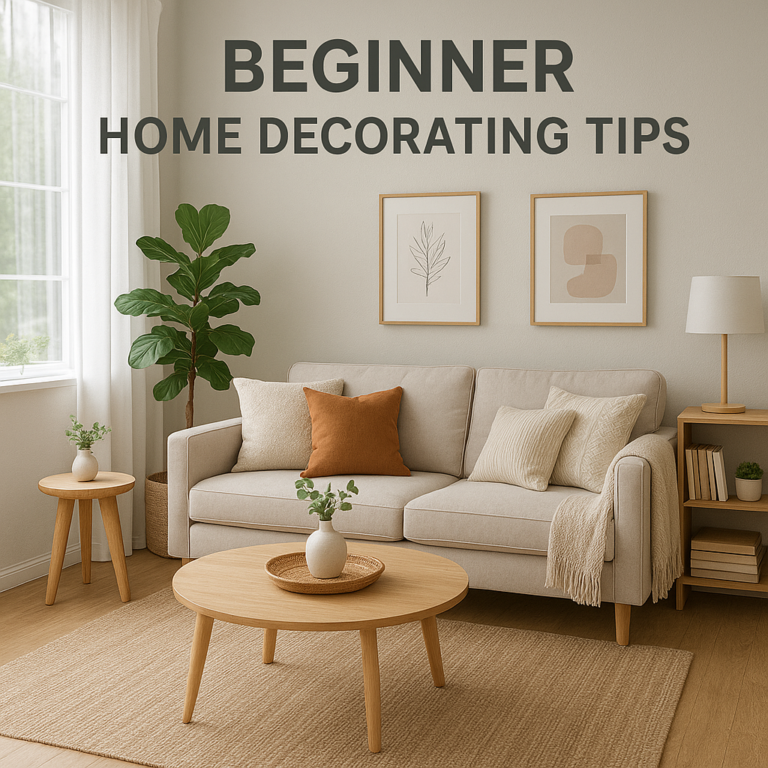
Styling a small living room that’s already packed with furniture can feel like trying to fit a giraffe into a Mini Cooper — awkward, frustrating, and downright impossible, right? But what if we told you that with the right tricks, your cozy, crowded space could actually feel open, stylish, and perfectly curated? At Home Decorations™, we’ve helped countless clients transform their jam-packed small living rooms into spacious sanctuaries without sacrificing their beloved furniture.
Did you know that clever use of mirrors can make a room appear twice as large? Or that multi-functional furniture can save you from the dreaded clutter avalanche? Stick around because later, we’ll share real-life stories of how we turned cramped chaos into chic comfort — including a vintage sofa saga and a book collector’s vertical storage hack. Ready to unlock the secrets to small space magic? Let’s dive in!
Key Takeaways
- Declutter with intention: Only keep furniture and decor that spark joy and serve a purpose.
- Choose multi-functional and leggy furniture: Save space and create visual openness.
- Maximize vertical space: Use tall shelves, floating storage, and hang curtains high and wide.
- Use light colors and mirrors: Reflect light and create the illusion of spaciousness.
- Arrange furniture strategically: Anchor the largest piece, maintain clear pathways, and define zones with rugs.
- Layer lighting: Combine ambient, task, and accent lighting for warmth and depth.
- Accessorize thoughtfully: Curate impactful decor and avoid visual clutter to keep your space inviting.
With these expert tips, your small living room packed with furniture will no longer feel cramped — it’ll feel like home.
Table of Contents
- ⚡️ Quick Tips and Facts for Your Compact Living Room
- 🛋️ The Big Squeeze: Why Small Living Rooms with Lots of Furniture Are a Universal Challenge
- 🤔 Understanding the Dilemma: When Your Heart Says “More!” But Your Room Says “No!”
- 💡 Shifting Your Mindset: From Cramped to Cleverly Curated
- 🧹 The Art of the Purge: Decluttering Your Small Space for Maximum Impact
- 📏 Masterful Furniture Selection & Arrangement: Making Every Inch Count
- 1. The Power of Multi-Functional Furniture: Your Small Space Superheroes
- 2. Go Vertical! Maximizing Wall Space with Smart Storage Solutions
- 3. Scale & Proportion: The Goldilocks Rule for Small Living Rooms
- 4. Strategic Layouts: Crafting Flow and Function in a Tight Squeeze
- 5. Leggy vs. Skirted Furniture: The Visual Trick to More Openness
- ✨ The Illusionists’ Guide: Making Your Small Living Room Feel Expansive
- 🖼️ Accessorizing Smartly: The Finishing Touches That Don’t Overwhelm
- 🏡 Our Team’s Triumphs: Real-Life Anecdotes from Cramped Quarters
- ⚠️ Common Pitfalls to Avoid: Don’t Make These Small Space Styling Mistakes!
- 🌟 Expert Recommendations & Brand Spotlights: Our Go-To Solutions
- ✅ Conclusion: Your Small Living Room, Reimagined and Reinvigorated!
- 🔗 Recommended Links for Further Inspiration
- ❓ FAQ: Your Burning Questions About Small Space Styling, Answered!
- 📚 Reference Links: Our Trusted Sources
⚡️ Quick Tips and Facts for Your Compact Living Room
Got a small living room bursting at the seams with beloved furniture? You’re not alone! It’s a common design conundrum, but one we at Home Decorations™ absolutely love to solve. Before we dive deep into the nitty-gritty, here are some rapid-fire facts and tips to get your creative juices flowing. Think of these as your instant espresso shot for small space styling! If you’re looking for broader advice on furnishing your home, check out our comprehensive guide: How Do I Furnish and Decorate My Home? 12 Expert Tips You Need! 🏡.
- Fact 1: The Illusion is Real! Did you know that strategic use of mirrors can make a room appear up to twice its actual size? It’s not magic, it’s physics!
- Tip 1: Go Vertical, Baby! Your walls are prime real estate. Think shelves, wall-mounted storage, and tall, slim bookcases.
- Fact 2: Color Matters. Light, neutral colors on walls and large furniture pieces can visually expand a space by reflecting light, making it feel more open and airy.
- Tip 2: Multi-Functional is Your Mantra. Every piece of furniture should earn its keep. A coffee table that lifts to a desk? A storage ottoman? Yes, please!
- Fact 3: Scale is King (or Queen!). Oversized furniture is the arch-nemesis of a small room. Choosing pieces proportionate to your space is non-negotiable.
- Tip 3: Embrace Negative Space. As StoneGable astutely points out, “In a small room, the furniture should be proportionate, and negative space is just as important as the furnishings.” StoneGable Blog We couldn’t agree more! Don’t feel compelled to fill every single corner.
- Fact 4: Light Layers. Layered lighting (ambient, task, accent) can add depth and warmth, making a small room feel more inviting and less like a cave.
- Tip 4: Declutter Like a Boss. Ruthless editing is your best friend. If it doesn’t serve a purpose or spark joy, it might be time for it to find a new home.
🛋️ The Big Squeeze: Why Small Living Rooms with Lots of Furniture Are a Universal Challenge
Ah, the small living room. It’s a space that promises cozy intimacy but often delivers cramped chaos, especially when you’ve accumulated a lifetime of cherished furniture. We’ve all been there – that beloved antique armchair from Grandma, the sprawling sectional that seemed just right in the showroom, the ever-growing collection of books, and the media console that houses more gadgets than a NASA control room. Suddenly, your “cozy nook” feels more like a sardine can.
Why is this such a common headache? Well, for starters, our homes are getting smaller. The average size of new single-family homes in the U.S. has actually been declining since 2015, according to the National Association of Home Builders. Meanwhile, our desire for comfort, functionality, and personal expression remains as grand as ever. We want our living rooms to be a Netflix binge-watching station, a home office, a dining area, a play zone for kids, and a sophisticated entertaining space – all at once! This creates a natural tension between aspiration and reality.
The challenge isn’t just about fitting things in; it’s about creating a space that breathes, that feels welcoming rather than overwhelming. It’s about making smart choices that enhance both form and function, without sacrificing your personal style. And trust us, it is possible!
🤔 Understanding the Dilemma: When Your Heart Says “More!” But Your Room Says “No!”
Let’s be honest, it’s tough to part with furniture. Each piece often carries a story, a memory, or a significant investment. You might have inherited a beautiful hutch, fallen in love with a unique coffee table, or simply need a certain number of seating options for your family. Your heart says, “I love all these pieces!” but your small living room is screaming, “I can’t take anymore!”
This isn’t just about physical space; it’s about visual weight and emotional attachment. A room crammed with furniture, even if each piece is lovely on its own, can feel visually heavy, cluttered, and even stressful. It hinders movement, makes cleaning a nightmare, and prevents the eye from resting, creating a sense of unease.
Our goal at Home Decorations™ isn’t to strip your home bare. Far from it! We believe your home should be a reflection of you. As The Inspired Room wisely advises, “Your home isn’t a showplace—it’s a sanctuary.” The Inspired Room Our mission is to help you curate your sanctuary, making it both functional and beautiful, even when space is at a premium. It’s about making smart, intentional choices that allow your cherished pieces to shine without overwhelming your compact quarters.
💡 Shifting Your Mindset: From Cramped to Cleverly Curated
The first step to transforming your small, furniture-filled living room isn’t about moving a single chair; it’s about changing your perspective. Instead of viewing your small space as a limitation, see it as an exciting design puzzle! Think of yourself as a master curator, carefully selecting and arranging pieces for maximum impact and efficiency.
This mindset shift involves:
- Embracing Intentionality: Every item in your small living room must earn its place. No “just because” pieces.
- Prioritizing Function: What do you really need this room to do? Focus on those core functions.
- Thinking Vertically: The floor isn’t your only canvas. Look up!
- Playing with Perception: Learn how to use light, color, and reflection to trick the eye into seeing more space.
- Celebrating “Less is More” (with a Twist): The Facebook group post emphasizes, “In small spaces, less is more—choose quality over quantity.” We agree, but we’d add: “Less is more, but more impactful.” You can still have lots of personality, just with fewer, more thoughtfully chosen items.
This isn’t about sacrificing style; it’s about refining it. It’s about creating a space that feels expansive, inviting, and uniquely yours, even with a generous collection of furniture. Ready to become a small-space styling wizard? Let’s get started!
🧹 The Art of the Purge: Decluttering Your Small Space for Maximum Impact
Before you even think about rearranging furniture, you need to declutter. This isn’t just about tidying up; it’s about a fundamental re-evaluation of every item in your living room. Our team has seen countless clients try to skip this step, only to find themselves moving clutter from one corner to another. Don’t be that person! This is the most crucial first step to creating a truly functional and beautiful small living room.
The “Does it Spark Joy?” Test for Furniture & Decor
You’ve heard it before, but Marie Kondo’s famous question is particularly potent in a small space. Go through every single item in your living room – yes, even that tiny ceramic bird your aunt gave you.
- Hold each item.
- Ask yourself: “Does this truly spark joy?”
- Consider its utility. Does it serve a practical purpose?
- Evaluate its scale. Is it overwhelming the space?
If the answer to “spark joy” or “is it useful” is a hesitant “maybe” or a definitive “no,” it’s time to consider letting it go. This applies to furniture too! That oversized armchair might be comfortable, but if it’s eating up half your room and blocking pathways, is it truly bringing you joy, or just stress?
Our Anecdote: One of our decorators, Sarah, once helped a client with a tiny living room that housed a massive, ornate display cabinet. It was a family heirloom, but it dwarfed the room. After a tearful but honest conversation, they decided to move it to a larger dining room, and suddenly, the living room breathed! The client realized the memory of the piece was more important than its physical presence in the wrong space.
Strategic Downsizing: What Really Earns Its Spot?
Once you’ve done the “joy test,” it’s time for strategic downsizing. This isn’t about throwing things out indiscriminately; it’s about making conscious choices about what truly deserves a place in your compact living room.
Here’s a step-by-step approach:
- Empty the Room (as much as possible): If feasible, remove everything from the living room. This gives you a blank slate and helps you visualize the space without preconceived notions. If not, clear one section at a time.
- Bring Back Essentials First:
- Main Seating: Your sofa or primary chairs.
- Primary Tables: Coffee table, side tables.
- Essential Storage: Bookcases, media console.
- Evaluate Each Remaining Item: For every piece you consider bringing back:
- Is it appropriately scaled? (More on this later!)
- Does it serve a clear purpose? (Seating, storage, surface, light source, aesthetic focal point?)
- Does it contribute to the overall aesthetic you want?
- Can it be replaced by a multi-functional item? (e.g., a storage ottoman instead of a separate ottoman and storage bin).
- Create “Keep,” “Donate/Sell,” and “Relocate” Piles:
- Keep: These are your absolute must-haves.
- Donate/Sell: Items that are still good but don’t fit your space or needs.
- Relocate: Items that might work better in another room (e.g., a large plant to the bedroom, a decorative vase to the entryway).
- Be Ruthless with Decor: Small knick-knacks and too many decorative items are notorious clutter culprits. “Keep only essential furniture and decor to prevent a cramped feel,” advises The Inspired Room. The Inspired Room Opt for a few larger, more impactful pieces rather than many small ones.
Table: Decluttering Decision Matrix
| Item Type | Question to Ask | ✅ Keep If… | ❌ Consider Removing If… |
|---|---|---|---|
| Large Furniture | Is it proportionate to the room? Does it block flow? | Fits scale, allows pathways, essential function (main seating). | Oversized, blocks movement, serves redundant purpose. |
| Small Furniture | Is it multi-functional? Does it have a slim profile? | Offers storage, serves multiple uses, visually light. | Clunky, single-purpose, adds to visual clutter. |
| Decor/Knick-knacks | Does it spark joy? Is it part of a curated collection? | Meaningful, adds personality, part of a cohesive display (not scattered). | Dust collector, no emotional connection, too many small items. |
| Books/Magazines | Are they current reads? Can they be stored vertically? | Actively being read, neatly organized on shelves. | Piled on surfaces, old magazines, no dedicated storage. |
| Textiles (Throws/Pillows) | Do they add texture/comfort without overwhelming? | Add warmth, color, texture, but don’t spill off furniture. | Too many, make seating uncomfortable, visually heavy. |
This initial purge is your foundation. Without it, any styling efforts will feel like putting a band-aid on a broken leg.
📏 Masterful Furniture Selection & Arrangement: Making Every Inch Count
Now that you’ve decluttered, it’s time for the fun part: strategically selecting and arranging your furniture. This is where the Home Decorations™ team truly shines, turning spatial challenges into design triumphs. It’s not just about fitting things in; it’s about creating harmony, flow, and functionality.
1. The Power of Multi-Functional Furniture: Your Small Space Superheroes
In a small living room, every piece of furniture needs to pull double (or triple!) duty. This is where multi-functional pieces become your absolute best friends. They are the unsung heroes that allow you to have “lots of furniture” without feeling overwhelmed.
Features & Benefits:
- Space-Saving: Combines two or more functions into one item, reducing the total number of pieces needed.
- Versatility: Adapts to different needs throughout the day or for various occasions.
- Hidden Storage: Keeps clutter out of sight, maintaining a clean aesthetic.
Our Top Picks & Recommendations:
- Storage Ottomans: These are gold! They offer extra seating, a footrest, and a hidden compartment for blankets, remotes, or magazines.
- Brand Spotlight: The IKEA KALLAX series (with inserts) is incredibly versatile. While not strictly an ottoman, their cube storage can be topped with cushions to serve as seating, and the cubes themselves are perfect for baskets.
- 👉 Shop IKEA KALLAX on: Amazon | IKEA Official Website
- Brand Spotlight: Target’s Threshold Storage Ottoman collection often features stylish and affordable options.
- 👉 Shop Threshold Storage Ottoman on: Target
- Brand Spotlight: The IKEA KALLAX series (with inserts) is incredibly versatile. While not strictly an ottoman, their cube storage can be topped with cushions to serve as seating, and the cubes themselves are perfect for baskets.
- Sofa Beds/Daybeds: Perfect for accommodating overnight guests without dedicating an entire room.
- Brand Spotlight: West Elm’s Harris Sleeper Sofa offers both style and comfort.
- 👉 Shop West Elm Sleeper Sofas on: West Elm Official Website
- Brand Spotlight: West Elm’s Harris Sleeper Sofa offers both style and comfort.
- Coffee Tables with Storage/Lift-Tops: A lifesaver for small apartments. Store board games, remotes, or even use the lift-top as a makeshift desk for working from your sofa.
- Brand Spotlight: Pottery Barn”s Benchwright Lift-Top Coffee Table combines rustic charm with incredible functionality.
- 👉 Shop Pottery Barn Coffee Tables on: Pottery Barn Official Website
- Brand Spotlight: Ashley Furniture’s Bolanburg Lift-Top Cocktail Table is another popular choice.
- 👉 Shop Ashley Furniture Coffee Tables on: Amazon | Ashley Furniture Official Website
- Brand Spotlight: Pottery Barn”s Benchwright Lift-Top Coffee Table combines rustic charm with incredible functionality.
- Nesting Tables: These are brilliant! You get multiple surface areas that tuck away neatly into one compact unit when not in use.
- Brand Spotlight: Crate & Barrel’s Trio Nesting Tables are a classic for a reason.
- 👉 Shop Crate & Barrel Nesting Tables on: Crate & Barrel Official Website
- Brand Spotlight: Crate & Barrel’s Trio Nesting Tables are a classic for a reason.
Table: Multi-Functional Furniture Ratings
| Product Type | Design (1-10) | Functionality (1-10) | Space-Saving (1-10) | Versatility (1-10) | Overall (1-10) |
|---|---|---|---|---|---|
| Storage Ottomans | 8 | 9 | 9 | 9 | 9 |
| Sofa Beds/Daybeds | 7 | 8 | 8 | 7 | 8 |
| Lift-Top Coffee Tables | 7 | 9 | 8 | 8 | 8 |
| Nesting Tables | 8 | 8 | 10 | 9 | 9 |
| Wall-Mounted Shelves | 9 | 8 | 10 | 8 | 9 |
2. Go Vertical! Maximizing Wall Space with Smart Storage Solutions
When floor space is scarce, the only way to go is up! Utilizing vertical space is a game-changer for small living rooms, especially when you have “lots of furniture” and need to store more. This strategy helps draw the eye upwards, making the room feel taller and more expansive.
Step-by-Step Vertical Strategy:
- Assess Your Wall Real Estate: Look at every wall. Are there any unused expanses above existing furniture? Corners?
- Choose Your Vertical Weapons:
- Tall, Slim Bookcases: Instead of wide, bulky ones, opt for narrow, high units. IKEA’s BILLY bookcase is a perennial favorite for its customizable height and slim profile.
- 👉 Shop IKEA BILLY Bookcase on: Amazon | IKEA Official Website
- Floating Shelves: These are fantastic for displaying decor, books, or even small plants without taking up any floor space. Arrange them in a staggered pattern for visual interest.
- Brand Spotlight: Pottery Barn’s Holman Floating Shelves offer a clean, modern look.
- 👉 Shop Floating Shelves on: Amazon | Pottery Barn Official Website
- Wall-Mounted Cabinets/Media Consoles: Free up floor space by mounting your TV console or storage cabinets directly to the wall. This creates a sleek, minimalist look and makes cleaning easier.
- Brand Spotlight: Wayfair offers a vast selection of wall-mounted media consoles.
- 👉 Shop Wall-Mounted Media Consoles on: Wayfair
- Picture Ledges: A great way to display art, photos, or small books without committing to a full shelf.
- Vertical Planters: Bring in greenery without sacrificing precious surface area.
- Tall, Slim Bookcases: Instead of wide, bulky ones, opt for narrow, high units. IKEA’s BILLY bookcase is a perennial favorite for its customizable height and slim profile.
- Integrate with Existing Furniture: Place tall shelves next to a sofa or armchair to create a cozy reading nook, or above a desk for office supplies.
- Keep it Organized: Vertical storage can quickly become visual clutter if not organized. Use decorative boxes, bins, and bookends to keep things tidy. This is a great opportunity to explore Budget Home Decor options for stylish storage.
Expert Tip: “Utilize vertical space for storage: Tall shelves or wall-mounted units,” suggests the Facebook group post. Facebook Group Post StoneGable also recommends, “Add floating shelves, slim storage, or sconces to use vertical space.” StoneGable Blog We wholeheartedly agree!
3. Scale & Proportion: The Goldilocks Rule for Small Living Rooms
This is perhaps the most critical factor when styling a small living room with lots of furniture. You wouldn’t put a giant bear in a tiny teacup, would you? The same principle applies to furniture. “Select appropriately scaled furniture: Smaller-sized sofas and chairs. Avoid oversized pieces that can overwhelm the room,” advises the Facebook group post. Facebook Group Post
What is Scale and Proportion?
- Scale: Refers to the size of an object in relation to the room and other objects around it.
- Proportion: Refers to the way different parts of an object relate to each other, and how objects relate to each other in a space.
Think of it as the Goldilocks rule: not too big, not too small, but just right.
How to Get it Right:
- Measure, Measure, Measure! Before buying anything, measure your room. Measure doorways, hallways, and stairwells to ensure furniture can even get in! Then, measure the footprint of any existing furniture you plan to keep.
- Opt for Slimmer Profiles:
- Sofas: Look for sofas with narrow arms, shallow depths, and exposed legs. A sofa with a high back and deep seats will feel much bulkier than one with a lower back and sleeker lines.
- Chairs: Choose accent chairs with slim frames and open backs. Armless chairs or chairs with very thin arms are excellent choices.
- Tables: Round or oval coffee tables can be great for small spaces as they eliminate sharp corners and allow for easier movement. Glass or acrylic tables can also visually disappear, creating an open feel.
- Avoid Bulky Pieces: Recliners, overstuffed sectionals (unless specifically designed for small spaces), and massive entertainment centers are usually a no-go.
- Consider Visual Weight: A dark, solid wood cabinet has more visual weight than a light-colored, open-shelved unit, even if they’re the same physical size. Choose pieces that feel “lighter” visually.
- The “Largest Piece First” Rule: As StoneGable suggests, “Place the largest piece (e.g., sofa) on the longest wall to anchor the space.” StoneGable Blog This helps you establish the main anchor and then arrange smaller pieces around it.
Example: Instead of a bulky, skirted sofa, consider a mid-century modern style sofa like the Article Sven Charme Tan Sofa. Its clean lines, exposed wooden legs, and tailored profile make it feel much lighter and less imposing, even though it’s a full-sized sofa.
- 👉 CHECK PRICE on: Article Official Website
4. Strategic Layouts: Crafting Flow and Function in a Tight Squeeze
Once you have your appropriately scaled furniture, the next challenge is arranging it. This is where many people get stuck, feeling like there’s only one way to place things. But with a little creativity, you can create a layout that maximizes both comfort and perceived space.
Our Step-by-Step Layout Strategy:
- Identify the Focal Point: Is it a TV, a fireplace, a window with a great view, or a piece of art? Arrange your main seating (sofa) to face this focal point.
- Anchor with the Largest Piece: As mentioned, place your largest piece of furniture (usually the sofa) against the longest unobstructed wall. This provides a sense of stability and maximizes open floor space.
- Create Conversation Zones: Even in a small room, you want to encourage interaction. Place chairs opposite the sofa, or use a small loveseat. Ensure there’s enough space for people to talk comfortably without shouting.
- Consider Traffic Flow: This is paramount! You need clear pathways to move through the room without bumping into furniture. Aim for at least 30-36 inches (76-91 cm) for main pathways and 18-24 inches (45-60 cm) between a coffee table and sofa.
- Use Rugs to Define Zones: A well-placed rug can visually delineate a seating area, making the room feel more organized and less like a jumble of furniture. “Use rugs to define zones without breaking the visual flow,” suggests the Facebook group post. Facebook Group Post StoneGable adds, “Rugs should extend under front legs of seating.” StoneGable Blog
The “Floating” Furniture Myth: When to Embrace It, When to Avoid It
There’s a common design tip that says to “float” furniture away from walls to make a room feel larger. In a truly small living room with lots of furniture, this can be a double-edged sword.
- ✅ Embrace it when: You have just enough space to create a clear pathway behind the furniture (e.g., 12-18 inches) and it helps define a zone or improve flow. This can make the room feel less like a box.
- ❌ Avoid it when: Pushing furniture away from the walls creates awkward, unusable gaps and makes the room feel even more cramped, hindering movement. In very tight spaces, sometimes pushing the main sofa against the wall is the most practical solution to maximize central floor space.
Expert Insight: The Facebook group post suggests, “Consider floating furniture away from walls to create pathways.” This is a great tip, but it requires careful measurement and a realistic assessment of your room’s dimensions. Don’t force it if it makes the room feel smaller!
Creating Clear Pathways: Navigating Your Cozy Nook
Imagine walking through your living room blindfolded. Could you do it without tripping? If not, your pathways need work!
- Keep main thoroughfares clear. This means avoiding placing coffee tables or large accent chairs directly in the path between doorways or main seating areas.
- Angle furniture strategically. Sometimes angling an armchair slightly can open up a pathway that a straight placement would block.
- Use smaller, lighter pieces. If you need an extra surface, opt for a slim C-table that slides under a sofa, or a small garden stool, rather than a bulky side table.
5. Leggy vs. Skirted Furniture: The Visual Trick to More Openness
This is a subtle but powerful trick that our team uses constantly! The type of base your furniture has can dramatically impact how spacious a room feels.
- ✅ Leggy Furniture: Furniture with exposed legs (like a mid-century modern sofa, a console table on slender legs, or an armchair with visible wooden feet) allows light to pass underneath and creates a visual break. This makes the piece appear lighter and less imposing, and crucially, allows you to see more of the floor. Seeing more floor equals feeling more space! The Inspired Room notes, “Keep furniture legs visible to create a sense of openness.” The Inspired Room
- ❌ Skirted Furniture: Pieces with skirts that go all the way to the floor (like traditional sofas or armchairs) tend to look heavier and more solid. While they can offer a cozy, traditional feel, they can make a small room feel visually dense and block off the floor, making the space feel smaller and more cramped.
Our Recommendation: Whenever possible, opt for furniture with exposed legs. This applies to sofas, chairs, coffee tables, and even media consoles. If you have a beloved skirted piece you can’t part with, balance it with other leggy items in the room to maintain some visual lightness.
✨ The Illusionists’ Guide: Making Your Small Living Room Feel Expansive
Now that we’ve tackled the practicalities of furniture, let’s dive into the magic of design! This section is all about using clever visual tricks to make your small living room feel much larger than it actually is. It’s like being a magician, but instead of pulling a rabbit out of a hat, you’re pulling extra square footage out of thin air!
6. The Magic of Mirrors: Reflecting Light, Doubling Space
Mirrors are the ultimate small-space secret weapon. They don’t just reflect your beautiful face; they reflect light, views, and the room itself, creating an incredible illusion of depth and openness.
How to Use Mirrors Effectively:
- Placement is Key:
- Opposite a Window: This is the most powerful placement. A large mirror opposite a window will bounce natural light deep into the room and reflect the outdoor view, essentially “doubling” your window and bringing the outside in.
- On a Long Wall: Placing a large mirror on a long wall can make that wall appear to recede, extending the perceived length of the room.
- Behind Furniture: A mirror placed behind a sofa or console table can add depth without taking up additional floor space.
- Go Big or Go Home (Literally!): Don’t shy away from large mirrors. A single, oversized mirror is far more effective than several small ones, which can look cluttered. “Use large mirrors to reflect light and expand visual space,” advises StoneGable. StoneGable Blog
- Consider Mirror Walls: For a truly dramatic effect, consider a wall covered in mirror panels. This is a bold move but incredibly effective in making a tiny room feel grand.
- Mirror Finishes: Mirrored furniture (like a mirrored coffee table or side table) can also contribute to the reflective quality of the room, adding sparkle and lightness.
Our Anecdote: One of our clients, a young professional in a tiny studio apartment, was desperate for more space. We suggested a floor-length mirror from West Elm placed strategically opposite her only window. The transformation was immediate and dramatic! She swore her apartment felt 30% larger. It truly made a difference.
- 👉 Shop West Elm Mirrors on: West Elm Official Website
- 👉 Shop Large Mirrors on: Amazon | Walmart
7. Light & Bright: Color Palettes that Visually Expand Your Horizons
Color is a powerful tool in interior design, and in small spaces, it’s your secret weapon for creating an airy, open feel. “Opt for light colors and neutral tones to make the room appear larger,” states the Facebook group post. Facebook Group Post
Wall Colors: The Foundation of Your Spacious Feel
- ✅ Light Neutrals: Whites, off-whites, creams, light grays, and pale blues or greens are your best friends. These colors reflect light, making the walls seem to recede and the room feel more expansive.
- Brand Spotlight: Benjamin Moore’s “Chantilly Lace” (OC-65) is a crisp, clean white that works wonders.
- Brand Spotlight: Sherwin-Williams’ “Agreeable Gray” (SW 7029) is a popular greige (gray-beige) that offers warmth without being too dark.
- ❌ Avoid Accent Walls (Mostly): While accent walls can add drama, in a small room, they can visually chop up the space and make it feel smaller. StoneGable advises, “Avoid accent walls; keep wall color consistent for cohesion.” StoneGable Blog We generally agree, but if you must have one, make it the wall with the most natural light or a large window to minimize its visual weight.
- Paint the Ceiling the Same Color: Extending your wall color onto the ceiling (or using a slightly lighter shade of the same color) blurs the lines between walls and ceiling, making the room feel taller.
Furniture & Textile Colors: Harmonizing for Openness
It’s not just the walls! The colors of your furniture and textiles also play a huge role.
- Light-Colored Upholstery: A light-colored sofa or chairs will feel much less imposing than dark, heavy pieces. Think linen, light gray, cream, or pale blue.
- Monochromatic or Tonal Schemes: Sticking to a similar color palette across your walls, furniture, and textiles creates a seamless, cohesive look that allows the eye to flow easily, making the room feel larger. This doesn’t mean boring! You can add depth with varying textures and subtle patterns.
- Pops of Color (Carefully!): Don’t be afraid of color, but use it strategically. A few vibrant throw pillows, a colorful piece of art, or a bold vase can add personality without overwhelming the space. This aligns with The Inspired Room’s advice to “personalize your space” with textures, colors, and treasured items. The Inspired Room
Table: Color Impact on Perceived Space
| Color Category | Impact on Space | Visual Weight | Best Use in Small Rooms |
|---|---|---|---|
| Light Neutrals | Expands | Low | Walls, large furniture (sofa), main textiles |
| Pastels | Expands | Low | Accent walls (very carefully), decor, secondary textiles |
| Mid-Tones | Neutral | Medium | Accent chairs, rugs, decor, art |
| Dark Hues | Contracts | High | Small accents, very specific focal points (e.g., a dark console) |
8. Strategic Lighting: Layering for Ambiance, Function, and Perceived Space
Lighting is often overlooked, but it’s a powerful tool for transforming a small room. A single overhead light can create harsh shadows and make a room feel flat and uninviting. Layered lighting, however, adds depth, warmth, and makes the space feel more dynamic and larger. “Layer lighting: Use a combination of ambient, task, and accent lighting to add depth,” recommends The Inspired Room. The Inspired Room
The Three Layers of Light:
- Ambient Lighting (General Illumination): This is your overall light source.
- Recessed Lighting: Excellent for small spaces as it’s flush with the ceiling and provides even light without taking up visual space.
- Flush Mounts/Semi-Flush Mounts: If you don’t have recessed lighting, choose fixtures that are close to the ceiling.
- Dimmers: Always use dimmers! They allow you to adjust the mood and intensity of the light.
- Task Lighting (Functional Light): This is focused light for specific activities.
- Floor Lamps: Choose slim-profile floor lamps that tuck into corners or behind a sofa. An arc lamp can provide overhead light without needing a ceiling fixture.
- Brand Spotlight: Brightech’s SkyDome LED Floor Lamp is a popular choice for bright, ambient light.
- 👉 Shop Brightech Floor Lamps on: Amazon | Brightech Official Website
- Table Lamps: Place on side tables or consoles. Ensure they are proportionate to the table and don’t overwhelm the space.
- Wall Sconces: These are fantastic for small rooms as they free up surface space and provide focused light.
- Floor Lamps: Choose slim-profile floor lamps that tuck into corners or behind a sofa. An arc lamp can provide overhead light without needing a ceiling fixture.
- Accent Lighting (Highlighting Features): This adds drama and highlights specific elements.
- Picture Lights: To illuminate artwork.
- LED Strips: Under shelves or behind a TV for a soft glow.
- Candles: For instant ambiance.
StoneGable’s Perspective: “Favor lamps (table and floor) over overhead fixtures to create warmth. Overhead lighting can feel harsh; lamps provide softer, inviting light.” StoneGable Blog We agree that lamps are crucial for warmth, but a well-designed ambient overhead light (especially with a dimmer) can provide essential general illumination, especially in a room with lots of furniture where floor space for lamps might be limited. The key is balance and layering.
Our Tip: Use warm-toned light bulbs (around 2700K-3000K) to create a cozy and inviting atmosphere. Cool-toned lights (4000K+) can feel sterile and harsh in a living room.
9. Window Treatments: Maximizing Natural Light and Views
Windows are your connection to the outside world and a crucial source of natural light. How you dress them can significantly impact the perceived size and brightness of your living room.
Rules for Small Spaces:
- Hang Curtains High and Wide: This is a classic trick!
- High: Mount your curtain rod 6-12 inches (15-30 cm) above the window frame (or as close to the ceiling as possible). This draws the eye upwards, making the window and the room feel taller.
- Wide: Extend the curtain rod 6-12 inches (15-30 cm) beyond the window frame on each side. This allows you to pull the curtains completely off the window when open, maximizing natural light and the view. “Hang curtains high and wide to add height and openness,” recommends StoneGable. StoneGable Blog
- Choose Light, Sheer Fabrics: Heavy, dark drapes can absorb light and make a room feel closed off. Opt for light-colored, sheer, or semi-sheer fabrics that allow light to filter through while still providing privacy. Linen, cotton, or a light synthetic blend are great choices.
- Keep Patterns Minimal: Busy patterns can add visual clutter. If you love patterns, choose subtle textures or tone-on-tone designs.
- Consider Roman Shades or Blinds: If space is extremely tight or you prefer a cleaner look, Roman shades or blinds that pull up completely out of the way are excellent alternatives. They offer privacy and light control without adding bulk.
- Brand Spotlight: Blinds.com offers a wide variety of custom window treatments.
- 👉 Shop Blinds.com on: Blinds.com Official Website
- Brand Spotlight: Blinds.com offers a wide variety of custom window treatments.
Our Anecdote: Our lead designer, Mark, once worked with a client who had a small living room with a beautiful view but heavy, dark velvet curtains. Simply replacing them with light, sheer linen panels (hung high and wide!) completely transformed the room. It felt instantly brighter, larger, and more connected to the outdoors. The client couldn’t believe the difference such a simple change made!
🖼️ Accessorizing Smartly: The Finishing Touches That Don’t Overwhelm
You’ve decluttered, arranged your furniture, and created illusions of space. Now it’s time for the fun part: accessorizing! But in a small living room with “lots of furniture,” this needs to be done with precision and purpose. The goal is to add personality and warmth without reintroducing clutter. Remember the “less is more” mantra, but make it “less is more impactful.”
10. Curated Decor: Less is More, But More Impactful
This is where your personality shines through, but with a discerning eye. Instead of scattering many small items, choose a few larger, more meaningful pieces.
How to Curate Your Decor:
- Focus on Quality over Quantity: A single, beautiful ceramic vase or a striking sculpture will have more impact than a dozen tiny trinkets.
- Group Similar Items: If you have a collection (e.g., small plants, candles), group them together on a tray or shelf. This creates a cohesive “moment” rather than scattered clutter.
- Use Trays and Baskets: These are your best friends for corralling small items like remotes, coasters, or magazines. They keep surfaces tidy and organized.
- Vary Heights and Textures: When grouping items, vary their heights and introduce different textures (wood, metal, ceramic, glass) to add visual interest.
- Personal Touches: As The Inspired Room encourages, “Add your favorite treasures to personalize without overwhelming.” The Inspired Room These are the pieces that make your house a home.
❌ Avoid: Over-accessorizing every surface. Too many small items create visual noise and make a room feel cluttered, even if each item is lovely.
11. Rugs: Defining Zones and Adding Warmth Without Clutter
Rugs are essential for grounding a space, adding warmth, texture, and color. In a small living room, they are also powerful tools for defining zones and making the room feel more cohesive.
Rug Rules for Small Spaces:
- Go as Large as Possible (Within Reason): A common mistake is using a rug that’s too small. A tiny rug can make a room feel disjointed and emphasize its smallness. A larger rug, however, can visually expand the space and unify the furniture grouping.
- The “Front Legs On” Rule: The ideal placement is for the rug to extend at least under the front legs of all your main seating pieces (sofa, armchairs). This creates a defined “zone” and makes the furniture feel connected. “Rug should extend under front legs of seating,” confirms StoneGable. StoneGable Blog
- Consider Material and Pattern:
- Material: Choose materials that suit your lifestyle (e.g., wool for durability, jute for natural texture).
- Pattern: A subtle pattern can add interest without overwhelming. Avoid overly busy or large-scale patterns that might feel too dominant in a small space.
- Layering Rugs (Carefully!): This can add incredible depth and texture, but in a very small room, it can also add visual bulk. If you layer, use a large, neutral base rug with a smaller, textured or patterned rug on top, ensuring the top rug is still proportionate to the seating area.
Brand Spotlight: Ruggable offers machine-washable rugs, which are fantastic for high-traffic living rooms and easy maintenance.
- 👉 Shop Ruggable on: Ruggable Official Website
12. Art & Wall Decor: Drawing the Eye Upwards to Create Height
Just like vertical storage, wall art is an opportunity to draw the eye upwards, making your ceilings feel higher and your room more expansive.
Smart Wall Decor Strategies:
- One Large Statement Piece: Instead of a gallery wall of many small frames (which can look cluttered in a small space), opt for one large piece of art. This creates a strong focal point and feels more intentional. “Opt for one large piece of art instead of multiple small ones,” advises StoneGable. StoneGable Blog
- Hang Art Strategically:
- Eye Level: For a single piece, the center of the art should be at eye level (around 57-60 inches from the floor).
- Above Furniture: When hanging above a sofa, the bottom of the art should be about 6-8 inches above the top of the sofa.
- Vertical Orientation: Choose vertically oriented art or mirrors to emphasize height.
- Floating Shelves for Display: If you love rotating your art or have a collection of small frames, use floating shelves to display them. This keeps them off the main wall space and allows for easy changes. This is a great DIY Decor Projects idea!
- Consider Wall Murals/Wallpaper (Carefully!): A subtle, light-colored mural or wallpaper with a delicate pattern on one wall can add depth and interest without overwhelming. Avoid busy, dark patterns.
Our Anecdote: Our client, a budding artist, had a small living room filled with her own beautiful, but numerous, small paintings. We helped her select one large, impactful piece for the main wall, and then created a curated display on a set of IKEA MOSSLANDA picture ledges for the rest. The room instantly felt more sophisticated and less like a gallery storage unit.
- 👉 Shop IKEA Picture Ledges on: IKEA Official Website
13. Greenery: Bringing Life and Freshness (Without Taking Over!)
Plants bring life, color, and a sense of calm to any space. In a small living room, they can also help soften hard lines and add a touch of nature without adding bulk, if chosen and placed wisely.
Planting Smart in Small Spaces:
- Go Vertical with Plants:
- Tall, Slim Plants: Choose plants that grow upwards rather than outwards. A Snake Plant (Sansevieria) or a ZZ Plant (Zamioculcas zamiifolia) in a tall, slender pot adds height without consuming much floor space.
- Hanging Plants: Macrame hangers or wall-mounted planters are excellent for freeing up surface space.
- Shelves: Place small potted plants on floating shelves or bookcases.
- Choose Appropriate Sizes: Avoid sprawling plants that will quickly outgrow your space. Opt for smaller varieties or those that can be easily pruned.
- Consider Faux Plants: If you don’t have a green thumb or enough natural light, high-quality faux plants are a fantastic alternative. They offer the visual benefits without the maintenance.
- Brand Spotlight: Nearly Natural offers a wide range of realistic faux plants.
- 👉 Shop Nearly Natural on: Amazon | Nearly Natural Official Website
- Brand Spotlight: Nearly Natural offers a wide range of realistic faux plants.
- Decorative Planters: Choose planters that complement your decor and add another layer of texture or color.
Our Tip: Even a single, well-placed plant can make a huge difference. Don’t feel like you need a jungle!
🏡 Our Team’s Triumphs: Real-Life Anecdotes from Cramped Quarters
At Home Decorations™, we don’t just preach these tips; we live them! Our team members have faced their own small-space styling dilemmas, and through trial, error, and a lot of creative thinking, we’ve found solutions that truly work. These personal stories highlight the power of these principles in action.
The “Vintage Sofa in a Studio” Saga: A Decorator’s Confession
“I once lived in a tiny studio apartment, barely 400 square feet,” confesses Maya, one of our lead stylists. “My biggest challenge was my absolute love for a gorgeous, but undeniably large, vintage velvet sofa. It was a hand-me-down from my grandmother, and I simply couldn’t part with it. It was a beautiful, deep emerald green, but it took up a significant chunk of my living/sleeping area.”
The Dilemma: How do you make a statement sofa work in a space where it is the statement, and also the primary seating, and almost the only furniture?
The Solution:
- Strategic Placement: “I pushed it against the longest wall, creating a clear pathway on one side,” Maya explains. “Floating it would have been a disaster.”
- Visual Lightness Elsewhere: “Everything else had to be visually light. My coffee table was a clear acrylic nesting set from CB2 – it practically disappeared! My side table was a slim, metal C-table that slid under the sofa arm.”
- 👉 Shop CB2 Nesting Tables on: CB2 Official Website
- Vertical Storage: “Above the sofa, I installed two long, slim floating shelves from West Elm for books and a few curated decor pieces. This drew the eye up and kept the floor clear.”
- Mirror Magic: “Opposite the sofa, I hung a huge, frameless mirror. It reflected the light from my window and made the room feel twice as deep. It was incredible!”
- Color Harmony: “The walls were a very pale greige, and I used light-colored textiles – cream throws, pale gold pillows – to balance the visual weight of the dark green sofa. The sofa was the star, but it didn’t overwhelm.”
The Outcome: “It wasn’t just a sofa in a room; it was a cozy, chic lounge area. Everyone who visited commented on how spacious and stylish it felt, despite its actual size. It taught me that even with ‘lots of furniture’ (or one very large piece!), smart choices can make all the difference.”
Solving the “Book Collector’s Conundrum”: Vertical Storage to the Rescue!
Our founder, David, is an avid reader and, consequently, a book collector. His first apartment had a small living room, and his books were quickly taking over every available surface.
The Dilemma: How to house hundreds of books without making the room feel like a cluttered library, especially when he also needed a sofa, a TV, and a workspace?
The Solution:
- The IKEA BILLY Bookcase Hack: “I invested in several IKEA BILLY bookcases,” David recounts. “But instead of just lining them up, I customized them. I used the taller, narrower units and anchored them to the wall. I also painted them the same color as the wall, which made them blend in and feel less like separate pieces of furniture.”
- Integrated Desk: “One section of the BILLY system was adapted with a desktop panel to create a seamless, built-in desk. This meant I didn’t need a separate bulky desk.”
- Curated Display: “I didn’t fill every shelf with books. I interspersed books with decorative objects, small plants, and framed photos. This broke up the visual monotony and added personality.”
- Hidden Storage: “For the books I wasn’t actively reading, I used attractive storage boxes on the lower shelves. Out of sight, out of mind, and clutter-free!”
The Outcome: “My living room became a functional, beautiful space that celebrated my love for books without feeling overwhelmed. The vertical storage was key. It proved that you can have ‘lots of furniture’ – or in my case, lots of books – if you think upwards and integrate smartly.” This is a prime example of how Home Decor Shopping Guides can help you find the right solutions.
⚠️ Common Pitfalls to Avoid: Don’t Make These Small Space Styling Mistakes!
Even with the best intentions, it’s easy to fall into common traps when styling a small living room, especially one that already has a lot of furniture. Our team has seen it all, and we’re here to help you steer clear of these design blunders!
❌ Overstuffing Every Corner
The Mistake: Feeling compelled to fill every empty nook and cranny with furniture or decor. You might think you’re maximizing space, but you’re actually creating visual clutter and hindering flow.
Why it’s a Problem: This makes a room feel cramped, claustrophobic, and visually chaotic. It prevents the eye from resting and makes the space feel smaller than it is. Remember StoneGable’s advice: “Embrace open, empty areas to prevent clutter.” StoneGable Blog
The Fix:
- Embrace Negative Space: Allow some areas to remain empty. A blank wall or a clear corner can be a powerful design element, offering visual relief.
- Curate, Don’t Accumulate: Be selective with your decor. A few impactful pieces are better than many small ones.
- Prioritize Flow: Ensure there are clear pathways for movement. If a piece of furniture obstructs a path, it needs to be moved or removed.
❌ Ignoring the Power of Vertical Space
The Mistake: Focusing solely on floor space and neglecting the walls above eye level.
Why it’s a Problem: You’re missing out on prime real estate for storage and display. This leads to cluttered surfaces and a room that feels horizontally squashed.
The Fix:
- Look Up! Install floating shelves, tall, slim bookcases, or wall-mounted cabinets.
- Hang Curtains High: Mount curtain rods closer to the ceiling to draw the eye upwards.
- Vertical Art: Choose vertically oriented artwork or mirrors to emphasize height.
❌ Drowning in Dark, Heavy Hues
The Mistake: Using dark, saturated colors on walls, large furniture, and heavy drapes throughout the room.
Why it’s a Problem: While dark colors can be cozy, in a small space, they absorb light and make the room feel much smaller, heavier, and more enclosed.
The Fix:
- Lighten Up: Opt for light, neutral colors on walls and large upholstery pieces. These reflect light and make the room feel more expansive.
- Strategic Dark Accents: Use darker colors sparingly, perhaps in throw pillows, a small accent chair, or a piece of art, to add depth without overwhelming.
- Sheer Window Treatments: Choose light-colored, sheer, or semi-sheer curtains to maximize natural light.
❌ Blocking Essential Pathways and Flow
The Mistake: Arranging furniture in a way that obstructs natural routes through the room, forcing people to squeeze or detour.
Why it’s a Problem: This creates a frustrating and uncomfortable experience. A room that’s difficult to navigate feels smaller and less functional.
The Fix:
- Map Your Paths: Mentally (or physically, with painter’s tape!) map out the main pathways in your room. Ensure they are at least 30-36 inches wide.
- Keep Furniture Off Pathways: Avoid placing coffee tables, side tables, or accent chairs directly in the middle of a thoroughfare.
- Consider Furniture Scale: Oversized furniture is a common culprit here. Ensure your pieces are proportionate to the room.
By avoiding these common pitfalls, you’ll be well on your way to creating a small living room that feels spacious, functional, and beautifully styled, even with all your cherished furniture!
🌟 Expert Recommendations & Brand Spotlights: Our Go-To Solutions
At Home Decorations™, we’ve tried countless products and brands over the years. When it comes to styling a small living room with lots of furniture, we’ve developed a list of tried-and-true favorites that consistently deliver on design, functionality, and space-saving ingenuity. These are the brands and products we confidently recommend to our clients and use in our own homes.
Smart Storage Solutions We Swear By
Storage is paramount in a small space. These brands excel at making storage both practical and stylish.
- IKEA KALLAX Shelf Unit:
- Rating: Design 8/10, Functionality 10/10, Space-Saving 9/10, Versatility 10/10, Overall 9/10
- Analysis: The KALLAX is a classic for a reason. Its simple cube design makes it incredibly versatile. You can orient it vertically or horizontally, add drawers, doors, or baskets, and even use it as a room divider. It’s fantastic for books, decor, and hidden clutter.
- Features: Modular design, various sizes, compatible with numerous inserts.
- Benefits: Highly customizable, affordable, clean aesthetic.
- Drawbacks: Assembly required, can look generic without personalization.
- 👉 CHECK PRICE on: Amazon | IKEA Official Website
- Pottery Barn Holman Floating Shelves:
- Rating: Design 9/10, Functionality 8/10, Space-Saving 10/10, Versatility 8/10, Overall 9/10
- Analysis: These shelves are sleek, sturdy, and come in various lengths and finishes. They’re perfect for displaying curated decor, a few books, or even small plants without taking up any floor space.
- Features: Hidden mounting hardware, solid construction, various finishes.
- Benefits: Visually light, frees up floor space, modern aesthetic.
- Drawbacks: Requires proper installation, weight limits.
- 👉 CHECK PRICE on: Pottery Barn Official Website
- The Container Store Storage Bins & Baskets:
- Rating: Design 8/10, Functionality 10/10, Space-Saving 9/10, Versatility 9/10, Overall 9/10
- Analysis: From woven baskets to clear acrylic bins, The Container Store offers an unparalleled selection of stylish solutions to hide clutter. They are essential for keeping small items organized within larger storage units or on open shelves.
- Features: Wide variety of materials, sizes, and styles.
- Benefits: Keeps clutter out of sight, adds texture, helps categorize items.
- Drawbacks: Can add up in cost, some materials may not be as durable.
- 👉 Shop The Container Store on: The Container Store Official Website
Space-Saving Furniture Gems for Compact Living
These pieces are designed with small spaces in mind, offering functionality without bulk.
- Article Sven Charme Tan Sofa (or similar slim-profile sofas):
- Rating: Design 10/10, Functionality 8/10, Space-Saving 8/10, Comfort 9/10, Overall 9/10
- Analysis: While not explicitly “small,” the Sven’s mid-century modern design with exposed legs, slim arms, and tailored profile makes it feel much lighter and less imposing than a traditional bulky sofa. It’s a prime example of how scale and visual weight matter.
- Features: Exposed wooden legs, tufted back, various upholstery options.
- Benefits: Visually light, stylish, comfortable, doesn’t overwhelm.
- Drawbacks: Can be a significant investment, not ideal for those who prefer deep, plush seating.
- 👉 CHECK PRICE on: Article Official Website
- West Elm Mid-Century Pop-Up Storage Coffee Table:
- Rating: Design 9/10, Functionality 10/10, Space-Saving 9/10, Versatility 9/10, Overall 9/10
- Analysis: This coffee table is a multi-functional marvel. It offers hidden storage for remotes and magazines, and a lift-top that transforms it into a comfortable surface for eating or working from your sofa. Its clean lines and tapered legs also keep it from feeling too heavy.
- Features: Lift-top mechanism, hidden storage compartment, solid wood construction.
- Benefits: Maximizes surface area, conceals clutter, serves multiple purposes.
- Drawbacks: Can be pricey, mechanism might require care.
- 👉 CHECK PRICE on: West Elm Official Website
- Crate & Barrel Trio Nesting Tables:
- Rating: Design 8/10, Functionality 9/10, Space-Saving 10/10, Versatility 9/10, Overall 9/10
- Analysis: Nesting tables are brilliant for small spaces. You get three different surface areas that can be used individually as side tables or pulled out for guests, then neatly tucked away into one compact unit when not needed.
- Features: Set of three tables, various materials (wood, metal, glass).
- Benefits: Extremely space-efficient, flexible use, adds visual interest.
- Drawbacks: May not be as sturdy as a single, solid table.
- 👉 CHECK PRICE on: Crate & Barrel Official Website
Lighting Fixtures That Make a Difference
Smart lighting can make a small room feel larger and more inviting.
- Brightech SkyDome LED Floor Lamp:
- Rating: Design 7/10, Functionality 9/10, Space-Saving 8/10, Ambiance 8/10, Overall 8/10
- Analysis: This slim, upright floor lamp provides excellent ambient light without taking up much floor space. Its upward-facing bowl reflects light off the ceiling, creating a soft, diffused glow that brightens the entire room.
- Features: Slim profile, LED bulb, dimmer switch.
- Benefits: Provides ample ambient light, energy-efficient, minimal footprint.
- Drawbacks: Design is functional rather than highly decorative, may not provide task lighting.
- 👉 CHECK PRICE on: Amazon | Brightech Official Website
- Philips Hue Smart Lighting System:
- Rating: Design 9/10, Functionality 10/10, Space-Saving 9/10 (bulbs), Versatility 10/10, Overall 10/10
- Analysis: While not a single fixture, the Philips Hue system allows you to transform any existing lamp or fixture into a smart, color-changing, dimmable light source. This is invaluable for creating layered lighting and adjusting ambiance in a small space without adding more physical fixtures.
- Features: Dimmable, millions of colors, smart home integration, various bulb types.
- Benefits: Ultimate control over lighting, creates dynamic ambiance, energy-efficient.
- Drawbacks: Initial investment can be higher, requires a hub for full functionality.
- 👉 CHECK PRICE on: Amazon | Philips Hue Official Website
These recommendations are a starting point. Remember to always measure your space and consider your personal style when making selections. Happy decorating!
✅ Conclusion: Your Small Living Room, Reimagined and Reinvigorated!

Well, we’ve journeyed through the art and science of styling a small living room packed with furniture — and what a ride it’s been! From decluttering with heart and strategy, to embracing multi-functional, leggy furniture, and mastering the illusionist’s tricks of mirrors, light, and color — you now have the full toolkit to transform your compact space into a sanctuary that’s both functional and fabulous.
Remember Maya’s vintage sofa saga? It’s proof that even a large, beloved piece can work in a small room with the right mindset and design choices. And David’s book collector’s vertical storage hack? That’s the power of thinking up instead of just out.
The key takeaway: It’s not about sacrificing your cherished furniture or personal style. It’s about curating, scaling, and arranging with intention. Your small living room can be cozy yet open, full yet uncluttered, and packed with personality without feeling cramped.
So, are you ready to wave your magic wand and make your small living room feel like a spacious, stylish haven? We’re confident you are — and we’re here cheering you on every step of the way!
🔗 Recommended Links for Further Inspiration & Shopping
Here are some of our favorite products and brands mentioned throughout the article, plus a few inspiring reads to fuel your decorating passion:
Smart Storage & Furniture
-
IKEA KALLAX Shelf Unit:
Amazon | IKEA Official Website -
Pottery Barn Holman Floating Shelves:
Pottery Barn Official Website -
Article Sven Charme Tan Sofa:
Article Official Website -
West Elm Mid-Century Pop-Up Storage Coffee Table:
West Elm Official Website -
Crate & Barrel Trio Nesting Tables:
Crate & Barrel Official Website -
CB2 Nesting Tables:
CB2 Official Website -
Threshold Storage Ottoman (Target):
Target
Lighting
-
Brightech SkyDome LED Floor Lamp:
Amazon | Brightech Official Website -
Philips Hue Smart Lighting System:
Amazon | Philips Hue Official Website
Mirrors & Decor
-
West Elm Large Mirrors:
West Elm Official Website -
IKEA MOSSLANDA Picture Ledges:
IKEA Official Website
Rugs & Storage
-
Ruggable Machine-Washable Rugs:
Ruggable Official Website -
The Container Store Storage Baskets:
The Container Store Official Website
Books to Inspire Your Small Space Styling
-
The Life-Changing Magic of Tidying Up by Marie Kondo — The ultimate decluttering bible.
Amazon -
Small Space Style by Whitney Leigh Morris — A stylish guide to living large in small spaces.
Amazon -
Apartment Therapy’s Big Book of Small, Cool Spaces — Real-life inspiration for small homes.
Amazon
❓ FAQ: Your Burning Questions About Small Space Styling, Answered!

How do you stage a small living room?
Staging a small living room is all about creating an inviting, functional space that appeals to potential buyers or guests without overwhelming them. Start by decluttering and removing personal items to create a neutral canvas. Use appropriately scaled furniture to avoid crowding. Arrange seating to highlight the room’s best features, like a fireplace or window. Incorporate mirrors to amplify light and space. Use light, neutral colors on walls and textiles to keep the room feeling open. Add a few tasteful accessories to create warmth but avoid clutter. Finally, ensure clear pathways for easy movement. This approach helps buyers envision themselves living comfortably in the space.
How do you arrange a room with too much furniture?
When faced with too much furniture, the key is prioritization and flow. Begin by identifying essential pieces and removing or relocating duplicates or non-essentials. Arrange the largest piece first (usually the sofa) against the longest wall. Create conversation zones by grouping seating logically. Leave at least 30 inches of clearance for pathways. Use multi-functional furniture to reduce the number of pieces needed. Consider floating some furniture away from walls if space allows, but avoid awkward gaps. Use vertical storage to free up floor space. Remember, sometimes less truly is more — and a well-arranged room with fewer pieces feels more spacious and inviting.
How do you fit a lot of seating in a small living room?
Fitting lots of seating in a small living room requires smart choices:
- Opt for multi-functional seating like storage ottomans or benches.
- Use slim-profile chairs with open arms or armless designs to reduce bulk.
- Incorporate modular sectionals that can be rearranged as needed.
- Include folding or stackable chairs that can be stored when not in use.
- Use window seats or built-in benches with cushions for extra seating without taking up floor space.
- Arrange seating in a way that maximizes flow and avoids blocking pathways.
What are space-saving furniture ideas for a small living room?
Space-saving furniture ideas include:
- Storage ottomans and benches that double as seating and storage.
- Lift-top coffee tables for hidden compartments and workspace.
- Nesting tables that tuck away when not in use.
- Wall-mounted shelves and media consoles to free up floor space.
- Slim-profile sofas and chairs with exposed legs.
- Foldable or stackable furniture for flexibility.
- Convertible furniture like sofa beds or daybeds.
Brands like IKEA, Article, West Elm, and Crate & Barrel offer excellent options tailored for small spaces.
How can I make a small living room look bigger with many pieces of furniture?
To make a small living room look bigger despite many pieces:
- Use light, neutral color palettes on walls and furniture.
- Choose leggy furniture with exposed legs to create visual openness.
- Incorporate mirrors to reflect light and add depth.
- Arrange furniture to maintain clear pathways and avoid overcrowding.
- Utilize vertical storage to keep floor space clear.
- Use multi-functional furniture to reduce the total number of pieces.
- Keep decor curated and minimal to avoid visual clutter.
- Layer lighting to add warmth and dimension.
What color schemes work best for crowded small living rooms?
Light, neutral color schemes work best in crowded small living rooms. Whites, creams, pale grays, and soft pastels reflect light and make the space feel airy. Using a monochromatic or tonal palette helps create cohesion and visual flow. Avoid dark, saturated colors on large surfaces, as they absorb light and can make the room feel smaller. Use darker colors sparingly as accents to add depth without overwhelming the space.
How to arrange furniture in a small living room without making it feel cluttered?
To arrange furniture without clutter:
- Start with the largest piece and anchor it on the longest wall.
- Maintain at least 30 inches of clearance for main pathways.
- Use appropriately scaled furniture with slim profiles.
- Avoid blocking windows or doorways.
- Use rugs to define seating zones.
- Incorporate vertical storage to reduce floor clutter.
- Choose multi-functional pieces to minimize the number of items.
- Keep accessories minimal and grouped for a curated look.
How do I incorporate personal style in a small living room without overcrowding?
Incorporate personal style by selecting a few meaningful, larger statement pieces rather than many small items. Use textiles like throw pillows and blankets to add color and texture. Display curated collections on floating shelves or in baskets. Rotate decor seasonally to keep the space fresh. Prioritize quality over quantity and ensure each item has a purpose or emotional significance. This approach balances personality with spaciousness.
📚 Reference Links: Our Trusted Sources
- National Association of Home Builders – Average Home Size Trends
- StoneGable Blog – How To Decorate A Small Room
- The Inspired Room – 10 Style Tips for a Large Living Room (with Small Space Tips)
- Facebook Group Post on Styling Small Living Rooms
- IKEA Official Website
- West Elm Official Website
- Pottery Barn Official Website
- Article Official Website
- Crate & Barrel Official Website
- Brightech Official Website
- Philips Hue Official Website
- Ruggable Official Website
- The Container Store Official Website