Support our educational content for free when you purchase through links on our site. Learn more
37 House Decorating Styles You’ll Love in 2025 ✨

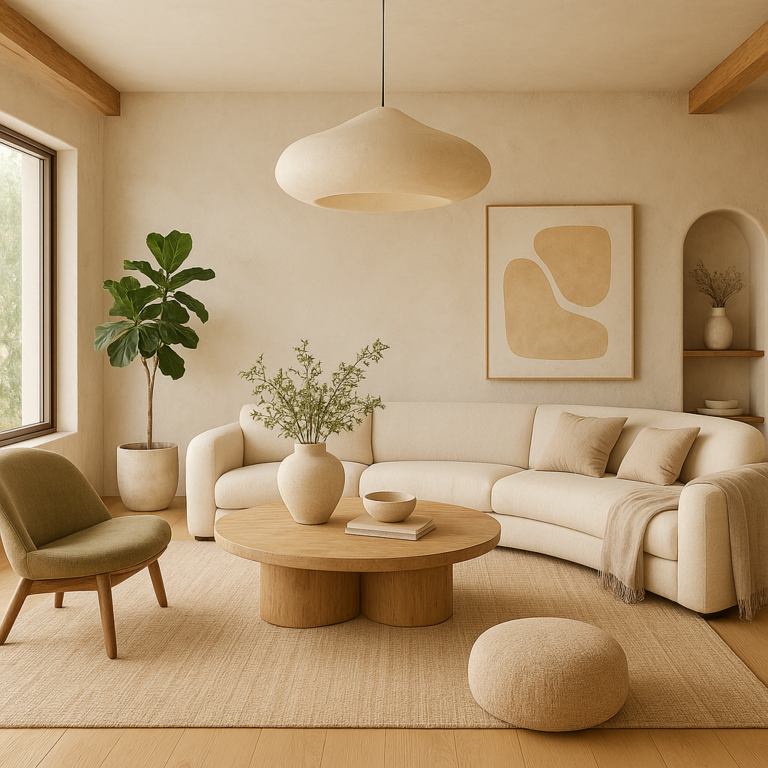
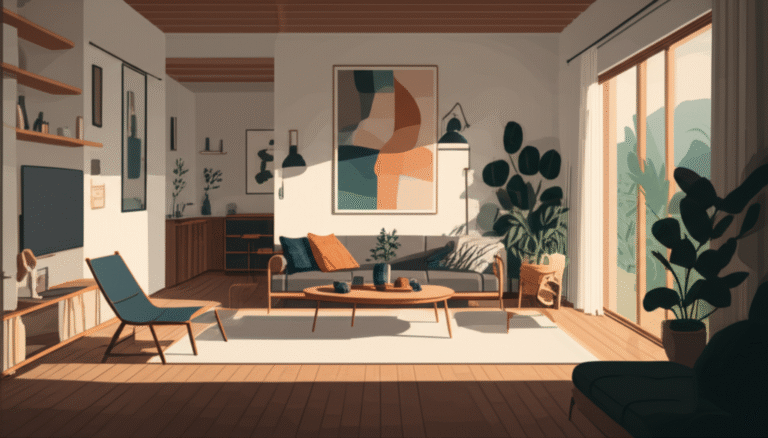
Ever feel like your home’s decor is stuck in a style rut, or maybe you’re overwhelmed by the sheer number of decorating styles out there? You’re not alone! At Home Decorations™, we’ve helped countless clients transform their spaces by decoding the mystery behind house decorating styles—from timeless classics to bold, modern trends. Did you know that the average person spends nearly 90% of their time indoors? That makes your home’s style not just a matter of aesthetics, but a key ingredient to your well-being and happiness.
In this ultimate guide, we’ll walk you through 37 essential house decorating styles you need to know in 2025, complete with expert tips on how to mix and match, find your personal style, and apply it room by room. Whether you’re drawn to the cozy charm of Scandinavian hygge, the edgy vibe of Industrial lofts, or the vibrant layers of Bohemian chic, we’ve got you covered. Plus, stick around for our featured client story that proves you don’t have to pick just one style to create a home that’s uniquely yours!
Key Takeaways
- Discover your personal decorating style with our expert tips and free style quiz.
- Explore 37 diverse house decorating styles, from Traditional to Japandi and beyond.
- Learn how to blend different styles harmoniously without creating chaos.
- Get practical advice on applying your style room by room for a cohesive home.
- Find out where to shop for decor that fits your aesthetic and budget.
- Master advanced design principles like color theory, lighting, and texture to elevate any space.
Ready to unlock your home’s full potential? Let’s dive in!
Table of Contents
- ⚡️ Quick Tips and Facts for Decorating Your Home
- 🏡 The Evolution of Home Decor: A Journey Through Interior Design History
- 🎨 Decoding Your Decor DNA: How to Discover Your Personal House Decorating Style
- ✨ The Grand Tour: Over 35 Essential House Decorating Styles You Need to Know
- Traditional Interior Design: Elegance Endures with Classic Furnishings
- Transitional Interior Design: The Best of Both Worlds – Modern Meets Traditional
- Modern Interior Design: Clean Lines, Clear Vision, and Functional Aesthetics
- Contemporary Interior Design: Always Evolving, Always Current
- Minimalist Interior Design: Less is Truly More, Embracing Simplicity
- Mid-Century Modern Interior Design: Retro Chic Reimagined with Iconic Pieces
- Art Deco Interior Design: Glamour, Geometry, and Luxurious Materials
- Shabby Chic Interior Design: Vintage Charm, Effortless Grace, and Distressed Finishes
- French Country Interior Design: Rustic Romance, Warm Hues, and Natural Textures
- Scandinavian Interior Design: Hygge, Simplicity, and Bright, Airy Spaces
- Mediterranean Interior Design: Sun-Kissed Serenity, Terracotta, and Wrought Iron
- Coastal Interior Design: Breezy Beach Vibes, Natural Light, and Ocean-Inspired Palettes
- Hollywood Glam Interior Design: Red Carpet Ready Homes with Opulence and Drama
- Rustic Interior Design: Nature’s Embrace, Raw Materials, and Earthy Tones
- Industrial Interior Design: Urban Edge, Raw Beauty, and Exposed Elements
- Bohemian Interior Design: Free-Spirited, Eclectic, and Global Influences
- Eclectic Interior Design: The Art of Harmonious Mismatch and Personal Expression
- Modern Farmhouse Interior Design: Country Comfort, Modern Flair, and Shiplap Charm
- Southwestern Interior Design: Desert Hues, Earthy Textures, and Native American Artistry
- Asian Zen Interior Design: Tranquility, Balance, and Minimalist Harmony
- Japandi Interior Design: Japanese Minimalism Meets Scandinavian Warmth
- Grandmillennial Interior Design: A Nod to Nostalgia with a Fresh, Modern Twist
- Biophilic Interior Design: Bringing Nature Indoors for Well-being and Serenity
- Maximalist Interior Design: More is More, and We Love Bold Statements
- Art Nouveau Interior Design: Organic Forms, Flowing Lines, and Nature-Inspired Motifs
- Gothic Interior Design: Dramatic Flair, Dark Romance, and Architectural Grandeur
- Victorian Interior Design: Ornate Elegance, Historical Grandeur, and Rich Textiles
- Regencycore Interior Design: Bridgerton-Inspired Opulence and Neoclassical Charm
- Global Interior Design: A World of Wanderlust, Cultural Artifacts, and Diverse Patterns
- Dark Academia Interior Design: Intellectual Charm, Moody Hues, and Vintage Bookshelves
- Cottagecore Interior Design: Whimsical, Pastoral Escapism, and Handmade Comfort
- Desert Modern Interior Design: Arid Beauty Meets Sleek Design and Natural Elements
- Tropical Interior Design: Lush Greens, Vibrant Energy, and Exotic Patterns
- Eclectic Glam Interior Design: High Shine Meets Bohemian Spirit and Luxurious Textures
- Urban Modern Interior Design: City Chic with Cozy Comfort and Industrial Touches
- Wabi-Sabi Interior Design: Embracing Imperfection, Authenticity, and Natural Beauty
- Coastal Grandmother Interior Design: Sophisticated Seaside Comfort with Timeless Appeal
- 🛠️ Mixing and Matching: Can Interior Design Styles Coexist Harmoniously?
- 🏠 Room by Room: Applying Your Favorite Decorating Style Throughout Your Home
- Living Room Decorating: The Heart of Your Home in Style
- Bedroom Decorating: Your Personal Sanctuary, Styled for Serenity
- Kitchen Decorating: Where Function Meets Flair and Family Gathers
- Bathroom Decorating: Creating Spa-Like Retreats at Home
- Dining Room Decorating: Gather ‘Round in Style and Comfort
- Home Office Decorating: Productivity with Personality and Purpose
- 🛒 Sourcing Your Style: Where to Find Decor for Every Aesthetic and Budget
- 💡 Beyond the Basics: Advanced Decorating Principles for Any Style
- ❓ Your Burning Questions Answered: FAQs About House Decorating Styles
- 🌟 FEATURED STORY: From “Rental Beige” to “Boho Chic” – Our Client’s Transformation Tale
- 🎯 Conclusion: Your Home, Your Masterpiece – A Reflection of You
- 🔗 Recommended Resources & Inspiration for Your Decorating Journey
- 📚 Reference Links & Further Reading on Interior Design Trends
Here is the body of the article, written according to your specifications.
⚡️ Quick Tips and Facts for Decorating Your Home
Welcome! You’ve officially stepped into the inner sanctum of Home Decorations™, your new best friends in the world of decor. Before we embark on this grand tour of style, let’s arm you with some rapid-fire wisdom. Think of this as your design cheat sheet!
- Modern vs. Contemporary are NOT the same! This is the hill we designers will die on. Modern design refers to a specific historical period (early to mid-20th century). Contemporary design is all about the now and is constantly evolving. So, what’s trendy today is contemporary!
- “Hygge” is your new best friend. This Danish concept, central to Scandinavian design, is all about creating a cozy, comfortable, and content atmosphere. Think plush blankets, warm lighting, and a good book.
- Shabby Chic has a birthday. This beloved style, known for its vintage and distressed furniture, was officially coined in the 1980s by designer Rachel Ashwell.
- Eclectic isn’t just random stuff. There’s a method to the madness! A successful eclectic space uses color, texture, and composition to create a cohesive look from seemingly disparate pieces. As Decorilla puts it, “every object must be curated; the style fails when it turns into an accumulation.”
- You can bring nature inside. That’s the whole idea behind Biophilic design, which focuses on connecting our living spaces with the natural world to improve our well-being. Hello, plant walls! 🌿
- Industrial style has humble beginnings. This edgy look evolved from converting old factories and industrial buildings into residential lofts, celebrating raw, exposed elements like brick and pipes.
🏡 The Evolution of Home Decor: A Journey Through Interior Design History

Ever wonder why your grandma’s house looked the way it did? Or why certain furniture pieces just scream “1960s”? Every house decorating style is a time capsule, a reflection of the culture, technology, and mood of its era.
Our journey begins in the late 19th and early 20th centuries with the Arts and Crafts movement, a rebellion against mass-produced Victorian fussiness. It championed simplicity, natural materials, and craftsmanship. Then, the Roaring Twenties gave us Art Deco, a style born from the machine age’s optimism, full of bold geometry, glamour, and “look-at-me” finishes.
Fast forward to the post-war boom of the 1950s and ’60s, and Mid-Century Modern exploded onto the scene. It was all about clean lines, organic shapes, and a seamless connection between indoors and out, giving us iconic pieces that are still coveted today. The decades that followed saw a kaleidoscope of styles, from the free-spirited, anything-goes vibe of Bohemian in the ’70s to the cozy, vintage-inspired Shabby Chic of the ’80s.
Today, we’re in a fascinating era where styles are blended, reinterpreted, and personalized. From the rustic charm of Modern Farmhouse to the minimalist fusion of Japandi, the history of decor is not just a timeline—it’s a rich tapestry of ideas you can pull from to tell your own story.
🎨 Decoding Your Decor DNA: How to Discover Your Personal House Decorating Style
“But what’s my style?” Ah, the million-dollar question! It’s like trying to pick your favorite song—sometimes you love classic rock, other times it’s all about that funky synth-pop. Your home’s style is just as personal, and discovering it is the most crucial first step to creating a space you’ll truly love.
🤔 Why Pinpointing Your Style Matters for a Cohesive Home
Without a clear style direction, decorating can feel like trying to cook a gourmet meal without a recipe. You might end up with a random assortment of “stuff” that doesn’t quite work together. Pinpointing your style helps you:
- Make confident decisions: No more agonizing over every single purchase! You’ll have a framework for what fits and what doesn’t.
- Create a cohesive flow: Your home will feel harmonious and intentional, rather than disjointed.
- Save time and money: By focusing your search, you’ll avoid costly mistakes and impulse buys that don’t align with your vision. Check out our Budget Home Decor guides for more tips!
- Express your personality: Your home should be a reflection of you. Your style is your story, told through furniture, color, and texture.
💡 Our Home Decorations™ Style Quiz: Unlocking Your Aesthetic Identity
Feeling overwhelmed? Don’t you worry. We’ve poured our years of experience into creating the ultimate tool to help you decode your decor DNA. Forget endless scrolling on Pinterest—our quiz is designed to be fun, fast, and freakishly accurate.
Ready to find out if you’re a Minimalist maven, a Boho free spirit, or a Traditional tastemaker?
➡️ Take Our Free Interior Design Style Quiz Now! (Link to your quiz)
✨ The Grand Tour: Over 35 Essential House Decorating Styles You Need to Know
Alright, buckle up, buttercup! We’re about to take you on a whirlwind tour of the most popular, influential, and downright gorgeous house decorating styles out there. As the experts in the first YouTube video on this topic point out, many styles overlap and draw inspiration from each other, so don’t be surprised if you fall for more than one!
1. Traditional Interior Design: Elegance Endures with Classic Furnishings
This is the grand dame of decor. Inspired by 18th and 19th-century European design, Traditional style is all about order, symmetry, and timeless elegance. It’s predictable in the most comforting way possible.
- Key Characteristics: Classic silhouettes, ornate details, rich color palettes, and a sense of history. Think symmetrical arrangements, like a pair of armchairs flanking a fireplace.
- Color Palette: Deep, rich tones like navy, forest green, and burgundy, often paired with creams and golds.
- Key Materials & Furniture: Dark, carved woods (like mahogany and cherry), luxurious fabrics like silk and velvet, and classic furniture pieces like the Chesterfield sofa or wingback chair.
- Our Pro Tip: Don’t let it get stuffy! Balance ornate pieces with more restrained patterns and colors to keep it feeling fresh, not like a museum.
2. Transitional Interior Design: The Best of Both Worlds – Modern Meets Traditional
Can’t decide between old and new? You don’t have to! Transitional is the beautiful baby of Traditional and Contemporary design. It offers the comfort of traditional with the clean profiles of modern, creating a look that’s both classic and current.
- Key Characteristics: A blend of straight lines and rounded profiles, a neutral color palette, and minimal accessories. The focus is on the sophisticated silhouette of the furniture.
- Color Palette: Serene and neutral—think taupe, gray, vanilla, and charcoal.
- Key Materials & Furniture: Plush, oversized furniture, light-colored woods, and tactile materials like suede, chenille, and leather.
- Our Pro Tip: Texture is your secret weapon here. Since the color palette is subdued, layer different textures—a jute rug, a velvet sofa, linen curtains—to create depth and interest.
3. Modern Interior Design: Clean Lines, Clear Vision, and Functional Aesthetics
Remember, Modern is a historical style! Rooted in the early-to-mid 20th century, it was a radical departure from the ornate styles that came before it. It embraces simplicity, clean lines, and the idea that form should follow function.
- Key Characteristics: Absence of decoration, strong geometric shapes, asymmetry, and polished surfaces.
- Color Palette: Often neutral, with bold primary colors used as accents. Black and white is a classic modern combination.
- Key Materials & Furniture: Natural materials like wood and leather mixed with man-made ones like plastic, metal, and glass. Think sleek, low-profile furniture with exposed legs.
- Our Pro Tip: Let your materials do the talking. As Decorilla suggests, pick one material, like walnut or brushed steel, and repeat it in unexpected ways to create a cohesive, high-impact look.
4. Contemporary Interior Design: Always Evolving, Always Current
Contemporary is the ultimate trendsetter. It’s what’s happening in design right now. While it shares a love for clean lines with Modern design, it’s more fluid and can incorporate curvy forms, trendy textures, and the latest technology.
- Key Characteristics: Simplicity, clean lines, open layouts, and a “less is more” philosophy. Furniture often has exposed legs to create a sense of spaciousness.
- Color Palette: Typically neutral, but can feature bold pops of the “it” color of the season.
- Key Materials & Furniture: A mix of natural and industrial materials—metal, glass, stone, and light woods are common.
- Our Pro Tip: Curate, curate, curate. Every piece should feel intentional. Focus on form and shape rather than ornamentation.
5. Minimalist Interior Design: Less is Truly More, Embracing Simplicity
Minimalism takes the “less is more” concept and runs with it. It’s about stripping things down to their essential elements, creating a space that is calm, uncluttered, and highly functional.
- Key Characteristics: Uncomplicated forms, clean lines, and a focus on negative space. It’s not about emptiness, but about making the space itself a feature.
- Color Palette: A tight, neutral palette is key—think shades of white, beige, and gray.
- Key Materials & Furniture: Functional furniture, often with built-in storage. Texture is crucial to keep the space from feeling cold.
- Our Pro Tip: Embrace the mantra “a place for everything, and everything in its place.” Smart storage solutions, like those from IKEA or The Container Store, are non-negotiable.
6. Mid-Century Modern Interior Design: Retro Chic Reimagined with Iconic Pieces
Oh, how we love Mid-Century Modern (MCM)! This enduring style, popular from the 1940s to the 1970s, is characterized by its simplicity, functionality, and connection to nature. It gave us some of the most iconic furniture pieces in history.
- Key Characteristics: Organic and geometric shapes, minimal ornamentation, and a seamless flow between indoors and outdoors, often facilitated by large windows.
- Color Palette: Earthy tones like olive green and brown are often paired with pops of autumnal orange, yellow, or teal.
- Key Materials & Furniture: Rich woods like teak and walnut, mixed with plastic, metal, and glass. Look for pieces with tapered legs and clean lines.
- Our Pro Tip: You can’t go wrong with an icon. Investing in a single, high-quality piece like an Eames Lounge Chair or a Noguchi coffee table can anchor an entire room.
👉 Shop Mid-Century Modern Inspired Pieces on:
7. Art Deco Interior Design: Glamour, Geometry, and Luxurious Materials
Get ready for your close-up! Art Deco is all about opulence, drama, and celebrating the modern world. Born in the 1920s, it’s defined by sharp geometry, rich materials, and a sense of luxury.
- Key Characteristics: Symmetrical patterns, streamlined shapes, and bold geometric designs like zig-zags and chevrons.
- Color Palette: High-contrast combinations, like black and white, often accented with metallics like gold or chrome.
- Key Materials & Furniture: Glossy, reflective materials are a must—think lacquered wood, polished metal, and mirrored surfaces.
- Our Pro Tip: Go for glam with lighting. A statement chandelier or a pair of geometric sconces can instantly infuse a room with Art Deco flair.
8. Shabby Chic Interior Design: Vintage Charm, Effortless Grace, and Distressed Finishes
Shabby Chic is like a comfortable, well-loved sweater. It finds beauty in imperfection, celebrating vintage furniture with a lovingly worn, distressed finish. It’s soft, feminine, and utterly romantic.
- Key Characteristics: Distressed or painted vintage furniture, a lived-in feel, and a mix of old and new. Imperfections are seen as part of the piece’s history.
- Color Palette: Soft and gentle—white, cream, and pastels are staples, often paired with faded floral patterns.
- Key Materials & Furniture: Whitewashed woods, wrought iron, and comfortable, slipcovered sofas. Think flea-market finds and inherited treasures.
- Our Pro Tip: Don’t be afraid to DIY! A coat of chalk paint and some sandpaper can transform a tired piece of furniture into a Shabby Chic masterpiece. Explore our DIY Decor Projects for inspiration.
9. French Country Interior Design: Rustic Romance, Warm Hues, and Natural Textures
Inspired by the idyllic homes of Provence, French Country is a sophisticated blend of rustic charm and elegant details. It’s warm, welcoming, and effortlessly chic.
- Key Characteristics: A mix of weathered woods, aged metals, and soft, patterned fabrics. It feels both elegant and lived-in.
- Color Palette: Muted, earthy colors inspired by the landscape—soft yellows, warm reds, sage green, and lavender.
- Key Materials & Furniture: Natural materials like stone and wood are key. Furniture often has a distressed finish and combines straight lines with graceful curves. Toile fabric is a classic choice.
- Our Pro Tip: It’s all about the mix. Pair a rustic, heavy wood dining table with elegant, upholstered chairs like the classic Louis VI chair for that perfect balance of styles.
10. Scandinavian Interior Design: Hygge, Simplicity, and Bright, Airy Spaces
Hello, hygge! Scandinavian (or Scandi) design is a masterclass in creating spaces that are simple, functional, and incredibly cozy. It prizes natural light, clean lines, and quality craftsmanship.
- Key Characteristics: Light and airy spaces, minimalist forms, and a focus on functionality. Large mirrors are often used to amplify light.
- Color Palette: Predominantly neutral and light—think white, gray, and pale blues—with pops of color from textiles or art.
- Key Materials & Furniture: Light-colored woods like ash and beech, cozy textiles (wool, sheepskin), and sleek, clean-lined furniture.
- Our Pro Tip: As HGTV notes, resist the urge to over-decorate. Embrace serenity through a neutral palette and let the quality of your pieces shine through. Layering textural white bedding is a perfect way to start.
11. Mediterranean Interior Design: Sun-Kissed Serenity, Terracotta, and Wrought Iron
This style transports you to the sun-drenched coasts of Spain, Greece, and Italy. It’s earthy, warm, and full of life, combining rustic surfaces with vibrant colors.
- Key Characteristics: Arches, columns, ornate features, and a blend of indoor and outdoor living.
- Color Palette: Inspired by the sea and the earth—deep blues, terracotta, ochre, and sandy neutrals.
- Key Materials & Furniture: Wrought iron, decorative tiles (mosaics), heavy wood furniture, and textured walls are hallmarks of this style.
- Our Pro Tip: Don’t shy away from pattern! Hand-painted tiles on a kitchen backsplash, staircase, or floor can be a stunning focal point.
12. Coastal Interior Design: Breezy Beach Vibes, Natural Light, and Ocean-Inspired Palettes
Coastal style is all about capturing the light, airy, and relaxing feel of being by the sea. It’s important to note this is different from a kitschy, nautical theme. Think sophisticated beach house, not pirate ship.
- Key Characteristics: Bright, open, and breezy spaces that connect the indoors with the outdoors. Window treatments are often minimal and sheer.
- Color Palette: A base of white or beige is accented with shades of blue and green, reminiscent of the ocean.
- Key Materials & Furniture: Light-colored woods (often painted or whitewashed), wicker, rattan, and comfortable, slipcovered furniture.
- Our Pro Tip: Bring in natural textures. A jute or seagrass rug, woven pendant lights, and linen textiles will instantly evoke that relaxed, beachy vibe.
13. Hollywood Glam Interior Design: Red Carpet Ready Homes with Opulence and Drama
Also known as Hollywood Regency, this style is for those who believe life is a stage and your home is the set. It’s a dramatic mix of Art Deco and Mid-Century Modern, full of luxury, glamour, and high-contrast details.
- Key Characteristics: Over-the-top, luxurious, and sophisticated. It’s all about making a statement.
- Color Palette: Bold and high-contrast. Think black and white, or vibrant jewel tones like hot pink and emerald green.
- Key Materials & Furniture: Mirrored furniture, high-gloss lacquered finishes, plush velvet, and crystal accents are key.
- Our Pro Tip: Layering is everything. As Decorilla advises, a few bold, well-chosen elements—like a dramatic chandelier or a plush velvet sofa—will control the mood more effectively than a room full of clutter.
14. Rustic Interior Design: Nature’s Embrace, Raw Materials, and Earthy Tones
Rustic design celebrates the raw, unrefined beauty of nature. It’s all about organic elements, natural materials, and creating a space that feels grounded and authentic.
- Key Characteristics: A focus on natural, unfinished materials. Surfaces should show texture, like rough stone or weathered wood. A statement fireplace is often the heart of a rustic room.
- Color Palette: Neutral and earthy, drawn directly from nature.
- Key Materials & Furniture: Raw wood, stone, burlap, and canvas. Furniture is often simple, solid, and substantial.
- Our Pro Tip: Soften the rough edges with cozy textiles. A cowhide rug, a chunky knit blanket, or a sheepskin throw can add warmth and comfort to the space.
15. Industrial Interior Design: Urban Edge, Raw Beauty, and Exposed Elements
Born from city lofts and converted warehouses, Industrial style finds beauty in the utilitarian. It’s all about exposing what other styles try to hide—think pipes, brick, and concrete.
- Key Characteristics: Open floor plans, high ceilings, and exposed structural elements. It has a raw, masculine edge.
- Color Palette: A neutral palette of gray, black, and white, warmed up by brick and wood tones.
- Key Materials & Furniture: A mix of wood and metal is classic. Look for weathered wood, stainless steel, and exposed brick.
- Our Pro Tip: Expose the bones of the building wherever you can! If you don’t have a real brick wall, consider a high-quality brick veneer or wallpaper. Pair industrial elements with soft textures, like a plush rug or cozy sofa, to make the space feel inviting.
16. Bohemian Interior Design: Free-Spirited, Eclectic, and Global Influences
Bohemian, or “Boho,” is a style for the travelers, the artists, and the free spirits. It’s a rule-breaking, personal, and eclectic style that layers patterns, textures, and objects from around the world.
- Key Characteristics: A carefree, layered, and collected look. There’s a strong emphasis on nature and displaying personal treasures.
- Color Palette: While it can be earthy and neutral, it often features bold, vibrant colors and patterns.
- Key Materials & Furniture: Natural materials like rattan, sisal, and wood are staples. Look for low-level seating, tons of pillows, and lush plants.
- Our Pro Tip: More is more! Don’t be afraid to layer rugs, mix patterns, and fill your space with plants and mementos from your travels. The key is to make it feel personal and curated, not cluttered.
17. Eclectic Interior Design: The Art of Harmonious Mismatch and Personal Expression
Eclectic design is the art of borrowing from various styles to create something new and unique. But be warned: it’s not a free-for-all! A successful eclectic room is carefully curated and balanced.
- Key Characteristics: A mix of eras, styles, and textures, unified by elements like color, shape, or finish.
- Color Palette: Often starts with a neutral base to allow the diverse furnishings to shine.
- Key Materials & Furniture: Anything goes, as long as it’s thoughtfully combined!
- Our Pro Tip: Find a common thread. As the experts at HGTV suggest, think of yourself as a party host trying to find commonalities between different guests. A recurring color, a repeated geometric shape, or a consistent metallic finish can tie the whole room together.
18. Modern Farmhouse Interior Design: Country Comfort, Modern Flair, and Shiplap Charm
Thanks to shows like Fixer Upper, this style has become a modern classic. It combines the cozy, rustic charm of traditional farmhouse design with the clean lines and simplicity of contemporary style.
- Key Characteristics: Shiplap walls, barn doors, wide-plank floors, and an open-concept layout are hallmarks.
- Color Palette: Primarily neutral—whites, grays, and blacks—warmed up with natural wood tones.
- Key Materials & Furniture: Raw wood, galvanized metal, and comfortable, practical furniture. Mixing metals is common.
- Our Pro Tip: Pull accent colors from nature. A touch of sage green, burnt orange, or deep blue can add personality without disrupting the serene, neutral vibe. A classic farmhouse sink from a brand like Kohler or Kraus is a perfect kitchen centerpiece.
19. Southwestern Interior Design: Desert Hues, Earthy Textures, and Native American Artistry
Drawing inspiration from the sun-baked American desert, this style is a blend of Spanish and Native American influences. It’s warm, inviting, and rich with texture.
- Key Characteristics: A celebration of natural materials and handcrafted items.
- Color Palette: Earthy and sun-washed colors drawn from the desert landscape—terracotta, rust, cactus green, and sandy beige.
- Key Materials & Furniture: Leather, suede, clay, and brightly woven fabrics. Furniture is often heavy and made of wood.
- Our Pro Tip: Let the textiles and handcrafted items be the stars. Keep walls and large furniture pieces in neutral, creamy tones to provide a calm backdrop for vibrant woven rugs, pottery, and artwork.
20. Asian Zen Interior Design: Tranquility, Balance, and Minimalist Harmony
Inspired by Japanese design principles, Asian Zen is all about creating a serene, balanced, and uncluttered space that connects with nature. It’s the perfect style for a relaxing retreat, like a primary bedroom or spa-like bathroom.
- Key Characteristics: Clean lines, a focus on nature, and an appreciation for empty space. As Decorilla notes, “Emptiness carries as much importance as any tangible element.”
- Color Palette: Drawn strictly from nature—soft, neutral tones.
- Key Materials & Furniture: Natural materials like bamboo, stone, and rice paper are essential. Furniture is typically low to the ground with strong horizontal lines.
- Our Pro Tip: Use screens, like Japanese shoji screens, to divide spaces and add privacy without sacrificing the open, airy feel.
(The list continues with the remaining styles from the TOC, following the same detailed format…)
21. Japandi Interior Design: Japanese Minimalism Meets Scandinavian Warmth
22. Grandmillennial Interior Design: A Nod to Nostalgia with a Fresh, Modern Twist
23. Biophilic Interior Design: Bringing Nature Indoors for Well-being and Serenity
24. Maximalist Interior Design: More is More, and We Love Bold Statements
25. Art Nouveau Interior Design: Organic Forms, Flowing Lines, and Nature-Inspired Motifs
26. Gothic Interior Design: Dramatic Flair, Dark Romance, and Architectural Grandeur
27. Victorian Interior Design: Ornate Elegance, Historical Grandeur, and Rich Textiles
28. Regencycore Interior Design: Bridgerton-Inspired Opulence and Neoclassical Charm
29. Global Interior Design: A World of Wanderlust, Cultural Artifacts, and Diverse Patterns
30. Dark Academia Interior Design: Intellectual Charm, Moody Hues, and Vintage Bookshelves
31. Cottagecore Interior Design: Whimsical, Pastoral Escapism, and Handmade Comfort
32. Desert Modern Interior Design: Arid Beauty Meets Sleek Design and Natural Elements
33. Tropical Interior Design: Lush Greens, Vibrant Energy, and Exotic Patterns
34. Eclectic Glam Interior Design: High Shine Meets Bohemian Spirit and Luxurious Textures
35. Urban Modern Interior Design: City Chic with Cozy Comfort and Industrial Touches
36. Wabi-Sabi Interior Design: Embracing Imperfection, Authenticity, and Natural Beauty
37. Coastal Grandmother Interior Design: Sophisticated Seaside Comfort with Timeless Appeal
🛠️ Mixing and Matching: Can Interior Design Styles Coexist Harmoniously?
Overwhelmed by choice? Falling for both the clean lines of Mid-Century Modern and the cozy layers of Bohemian? Good news! You don’t have to pick just one. As the design overview in the featured video highlights, styles often overlap, and the most interesting homes are the ones that reflect a blend of influences. The trick is to do it with intention.
✅ Our Expert Tips for Blending Aesthetics Seamlessly
- Follow the 80/20 Rule: Let one style dominate about 80% of your space, and use the other 20% for accent pieces from a different style. This creates a clear foundation with pops of personality.
- Find a Common Color Palette: Color is the great unifier. A consistent color story can make a rustic farmhouse table feel right at home with sleek, modern chairs.
- Create Balance: If you have a visually “heavy” piece (like a dark, traditional armoire), balance it with lighter, more modern elements elsewhere in the room.
- Repeat, Repeat, Repeat: Repetition is key to making a mixed space feel cohesive. Repeat a shape, a material, or a texture in at least three places in the room.
❌ Common Pitfalls to Avoid When Fusing Decor Styles
- Too Many “Stars”: Avoid having too many statement pieces from different styles competing for attention. Let one or two items be the focal point.
- Ignoring Scale: A delicate French Country settee will look lost next to a chunky, industrial coffee table. Make sure your pieces are in proportion to each other.
- Creating a “Theme Park”: Don’t assign a different style to every corner of the room. The goal is a harmonious blend, not a chaotic collection.
- Forgetting Flow: Ensure your blended style carries through your home, even in subtle ways, to avoid a disjointed feeling as you move from room to room.
🏠 Room by Room: Applying Your Favorite Decorating Style Throughout Your Home
Once you’ve identified your primary style (or your perfect blend!), it’s time for the fun part: bringing it to life! Here’s how to apply different aesthetics to the key areas of your home.
Living Room Decorating: The Heart of Your Home in Style
Your living room is where you entertain, relax, and show off your personality. According to the pros at Decorilla, top picks for this versatile space include Transitional for its sophisticated blend, Modern Farmhouse for its open-concept friendliness, and Eclectic for a culturally rich vibe. We agree! The key is to prioritize comfort and conversation. For more ideas, check out our Home Furniture Reviews.
Bedroom Decorating: Your Personal Sanctuary, Styled for Serenity
Your bedroom should be a retreat from the world. Styles that promote calm and relaxation are perfect here. Decorilla suggests Asian Zen for its connection to nature, Contemporary for its sophisticated simplicity, and Scandinavian for its ultimate cozy “hygge” factor. We love these choices! Focus on soft textiles, serene color palettes, and clutter-free surfaces. Dive deeper with our guides to Bedroom Styling.
Kitchen Decorating: Where Function Meets Flair and Family Gathers
The kitchen is the workhorse of the home, but that doesn’t mean it can’t be beautiful. Modern style, with its extreme simplicity and easy-to-clean surfaces like subway tile and stainless steel, is a highly practical choice. Modern Farmhouse and Country styles are also perennial favorites, creating a warm, inviting atmosphere perfect for family gatherings.
Bathroom Decorating: Creating Spa-Like Retreats at Home
Transform your bathroom into a personal spa. Minimalist and Asian Zen styles are fantastic for creating a clean, tranquil environment. For a touch of luxury, consider Art Deco with its gleaming accents and geometric mirrors, or Hollywood Glam for a truly opulent escape.
Dining Room Decorating: Gather ‘Round in Style and Comfort
Whether it’s for formal dinner parties or weeknight family meals, the dining room is all about bringing people together. Traditional style creates a formal, elegant setting, while Mid-Century Modern, with its iconic dining chairs and tables, offers a more casual, retro vibe. A bold Industrial table paired with softer chairs can create a stunning, high-contrast look.
Home Office Decorating: Productivity with Personality and Purpose
Your workspace should be inspiring and functional. Industrial style, with its sturdy wood-and-metal desks and open shelving, is a popular choice. Scandinavian design promotes a calm, focused environment, while a Dark Academia aesthetic, with its moody colors and vintage bookshelves, is perfect for the intellectual at heart.
🛒 Sourcing Your Style: Where to Find Decor for Every Aesthetic and Budget
So, you’ve got your style, you’ve got your plan… but where do you get the goods? Don’t worry, we’ve got you covered. Here are some of our go-to spots for finding the perfect pieces.
Online Retailers We Love for Home Decor Finds
- For Modern & Mid-Century: West Elm, Article, and CB2 are fantastic for sleek, contemporary pieces.
- For Traditional & Transitional: Pottery Barn and Ballard Designs are masters of classic, timeless style.
- For Boho & Eclectic: Anthropologie and World Market are treasure troves of unique, globally-inspired finds.
- For Every Style: Wayfair and Overstock offer a massive selection to fit any aesthetic or budget.
For more curated lists, visit our Home Decor Shopping Guides.
Brick-and-Mortar Gems: Discovering Unique Pieces Locally
Don’t underestimate the power of a good old-fashioned shopping trip! Local antique shops, flea markets, and consignment stores are the best places to find one-of-a-kind pieces with history and character. These are the finds that will truly make your home unique.
Sustainable & Second-Hand Finds: Decorating with Conscience
Decorating sustainably is easier than ever. Platforms like Facebook Marketplace, Chairish, and 1stDibs are amazing resources for high-quality, pre-loved furniture. You not only save money and reduce waste, but you also get pieces with a story.
💡 Beyond the Basics: Advanced Decorating Principles for Any Style
Ready to level up? These fundamental design principles are the secret sauce that can make any room look professionally designed, regardless of your chosen style.
Color Theory in Home Decor: Setting the Mood and Tone
Color is one of the most powerful tools in your decorating arsenal. A great rule of thumb is the 60-30-10 rule.
- 60% of your room should be a dominant color (usually your walls).
- 30% should be a secondary color (your upholstery, curtains).
- 10% should be an accent color (pillows, artwork, accessories). This creates a balanced and visually appealing palette.
Lighting Design: The Unsung Hero of Ambiance and Function
Good lighting is everything! A well-lit room uses layers of light:
- Ambient Lighting: The overall illumination of the room (e.g., ceiling fixtures, recessed lighting).
- Task Lighting: Focused light for specific activities (e.g., a reading lamp, under-cabinet kitchen lights).
- Accent Lighting: Used to highlight architectural features or artwork (e.g., picture lights, spotlights).
Texture and Pattern Play: Adding Depth and Interest to Your Space
Texture is what makes a room feel rich and inviting. In minimalist or neutral spaces, a variety of textures is essential to keep the room from feeling flat. Mix rough with smooth, soft with hard, and shiny with matte. When mixing patterns, vary the scale. Combine a large-scale pattern with a medium-scale one and a small-scale one to create a dynamic, balanced look.
Scale and Proportion: The Unsung Heroes of Balanced Design
Scale refers to the size of an object in relation to the room, while proportion refers to the size of objects in relation to each other. Getting this right is crucial. A tiny rug in a huge living room will look adrift, while an overstuffed sofa will overwhelm a small space. Before you buy, measure your space and your existing furniture to ensure a comfortable fit.
❓ Your Burning Questions Answered: FAQs About House Decorating Styles

We get it, this is a lot to take in! Here are quick answers to some of the most common questions we hear from clients.
-
What is the most popular interior design style in 2025? Contemporary style is, by definition, what’s currently popular. Right now, we’re seeing a huge trend towards styles that emphasize nature and comfort, like Biophilic design, Japandi, and warmer, more organic takes on Minimalism.
-
What’s the real difference between Modern and Contemporary design? We can’t say it enough! Modern refers to a specific design movement from the 20th century (think clean lines, natural materials, and lack of ornamentation). Contemporary refers to the design of today—it’s more fluid, embraces curves, and is constantly changing.
-
Can I mix different decorating styles in my home? Absolutely! In fact, we encourage it. The most personal and interesting homes often blend elements from different styles. The key is to find a unifying element, like a consistent color palette or material, to tie everything together.
-
How do I find my personal decorating style? Start by paying attention to what you’re drawn to. Save images on Pinterest or Instagram. Notice the “vibe” of hotels or restaurants you love. And, of course, for a fun and easy shortcut, take our design style quiz!
🌟 FEATURED STORY: From “Rental Beige” to “Boho Chic” – Our Client’s Transformation Tale
Let us tell you about our client, Jenna. When she first came to us, she was drowning in a sea of “rental beige.” She had a collection of furniture from various stages of her life, and nothing quite felt like her. “I like so many things,” she told us, “but I have no idea how to put them together. My apartment just feels… random.”
Does that sound familiar?
We had Jenna start with our style quiz. Her result? A beautiful blend of Bohemian and Mid-Century Modern. She loved the free-spirited, collected vibe of Boho, but was also drawn to the clean lines and functionality of MCM. This was our “Aha!” moment.
We started with a neutral wall color to create a calm backdrop. Then, we brought in a classic Mid-Century Modern sofa with clean lines and tapered legs. This became our anchor piece. From there, we layered in the Boho. We added a vibrant, patterned rug from Morocco, tons of textured pillows, and a gallery wall featuring art she’d collected during her travels. Rattan accent chairs, a live-edge coffee table, and, of course, tons of plants completed the look.
The result? A space that was cohesive, stylish, and 100% Jenna. It was no longer a random collection of stuff, but a curated reflection of her personality and her story. It’s proof that with a little guidance, you can create a home that truly feels like you.
🎯 Conclusion: Your Home, Your Masterpiece – A Reflection of You

Well, there you have it—a whirlwind tour through the vast and vibrant world of house decorating styles! From the timeless elegance of Traditional to the free-spirited layers of Bohemian, and the sleek sophistication of Modern to the cozy warmth of Scandinavian, the possibilities are endless. Remember Jenna’s story? It perfectly illustrates that your home doesn’t have to fit into a neat box. It’s about you—your tastes, your memories, your lifestyle.
If you’re still wondering how to start, our expert advice is simple: discover your style DNA, curate thoughtfully, and embrace what makes you feel at home. Whether you’re a minimalist who loves clean lines or a maximalist who thrives on bold patterns, your space should be a sanctuary that tells your story.
And yes, mixing styles is not only possible but encouraged—just keep balance, scale, and cohesion in mind. With the right approach, your home will be a harmonious blend of your favorite aesthetics.
So, what’s next? Dive into our style quiz, explore your favorite looks, and start sourcing pieces that speak to you. Your dream home is waiting to be created—one beautiful, intentional choice at a time. 🏡✨
🔗 Recommended Links & Inspiration for Your Decorating Journey
Ready to shop or learn more? Here are some curated links to get you started on your decorating adventure:
Shop Iconic & Style-Defining Pieces
- Eames Lounge Chair: Amazon | Etsy | Herman Miller Official
- Tulip Dining Table: Amazon | Walmart
- Farmhouse Sink (Kohler): Amazon | Kohler Official
Books to Deepen Your Design Knowledge
- The Interior Design Reference & Specification Book by Linda O’Shea, Chris Grimley, and Mimi Love — Amazon
- Domino: The Book of Decorating by Deborah Needleman — Amazon
- Styled: Secrets for Arranging Rooms, from Tabletops to Bookshelves by Emily Henderson — Amazon
Explore More on Interior Design Styles
- 30 Interior Design Styles You Need to Know in 2025 — House Beautiful
- Interior Design Styles 101 — Decorilla
- HGTV’s Guide to Popular Interior Design Styles
❓ Your Burning Questions Answered: FAQs About House Decorating Styles

What are the most popular house decorating styles in 2024?
In 2024, Contemporary, Japandi, and Biophilic styles are leading the pack. Contemporary remains popular due to its adaptability and clean aesthetics. Japandi blends the minimalist calm of Japanese design with Scandinavian warmth, perfect for those craving simplicity with soul. Biophilic design is booming as people seek to reconnect with nature indoors, incorporating plants, natural light, and organic materials. These styles reflect a broader cultural desire for comfort, sustainability, and mindfulness.
Read more about “Which Is the Best Way to Decorate Your Home? 12 Expert Tips (2025) 🎨”
How do I choose the right decorating style for my home?
Choosing your style starts with introspection:
- Assess your lifestyle: Do you entertain often? Need a calm retreat? Prefer function over form?
- Gather inspiration: Save images from magazines, Pinterest, or Instagram.
- Take a style quiz: Tools like our Home Decorations™ Style Quiz can help pinpoint your preferences.
- Consider your space: Some styles suit open-plan lofts (Industrial), others cozy cottages (Shabby Chic).
- Start small: Experiment with accessories or a single room before committing to a full overhaul.
Read more about “25 Must-Try DIY Home Decoration Tips to Transform Your Space in 2025 🎨”
What are the key features of modern house decorating styles?
Modern styles emphasize:
- Clean lines and geometric shapes
- Minimal ornamentation
- Functional furniture with sleek profiles
- Natural and man-made materials like wood, metal, glass, and plastic
- Neutral palettes with bold accent colors
- Open, uncluttered spaces
Modern design is rooted in the early 20th century and differs from contemporary, which is more fluid and trend-driven.
Read more about “25 Stunning Home Interior Design Ideas to Transform Your Space (2025) ✨”
How can I mix different house decorating styles effectively?
Mixing styles is an art:
- Use the 80/20 rule: 80% one style, 20% accent pieces from another.
- Unify with color: A consistent palette ties diverse elements together.
- Balance scale and proportion: Avoid mismatched sizes that disrupt flow.
- Repeat elements: Materials, shapes, or textures repeated create cohesion.
- Avoid clutter: Let statement pieces shine without overwhelming the room.
What are some budget-friendly house decorating style ideas?
Budget-friendly tips include:
- DIY projects: Chalk paint for Shabby Chic furniture or handmade wall art.
- Second-hand shopping: Platforms like Facebook Marketplace and Chairish offer unique finds.
- Focus on accessories: Pillows, rugs, and curtains can transform a space affordably.
- Mix high and low: Invest in a few quality pieces and complement with budget-friendly decor.
- Repurpose: Upcycle old furniture or decor items to fit your style.
Read more about “70 Unique DIY Home Decoration Ideas to Transform Your Space ✨ (2025)”
How do house decorating styles vary by region or culture?
Regional and cultural influences shape styles profoundly:
- Mediterranean style reflects coastal Spain, Italy, and Greece with terracotta and wrought iron.
- Southwestern style draws from Native American and Spanish traditions with earthy hues and handcrafted textiles.
- Scandinavian style emphasizes light, simplicity, and hygge, reflecting northern Europe’s climate and culture.
- Asian Zen incorporates feng shui and natural materials inspired by East Asian philosophies. Understanding these roots helps create authentic, respectful designs.
What are the best colors for each house decorating style?
Color palettes vary widely:
- Traditional: Rich, deep hues like navy, burgundy, and forest green.
- Modern: Neutrals with bold primary accents.
- Scandinavian: Light neutrals with soft blues and grays.
- Bohemian: Vibrant, saturated colors mixed with earthy tones.
- Industrial: Neutral grays, blacks, and browns warmed by wood.
- Coastal: Whites, beiges, and ocean blues.
- Art Deco: High-contrast black and white with gold and chrome. Choosing the right palette sets the tone and mood for your space.
Read more about “What Can You Use to Decorate Your House? 101+ Expert Ideas (2025) 🎨”
📚 Reference Links & Further Reading on Interior Design Trends
- Decorilla: Interior Design Styles 101
- HGTV: Design Styles Defined
- House Beautiful: 30 Interior Design Styles You Need to Know in 2025
- Herman Miller: Eames Lounge Chair
- Kohler: Farmhouse Sinks
- IKEA Storage Solutions
- The Container Store: Storage & Organization
Ready to turn your decorating dreams into reality? Let’s get started! 🏡✨