Support our educational content for free when you purchase through links on our site. Learn more
15 Essential Items for a Minimalist Home 🏡

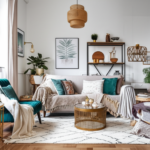
What are the essential items for a minimalist home decor? Start with comfortable, well-scaled furniture, useful storage, layered lighting, and a few personal accents. The goal isn’t an empty room—it’s a home where each piece earns its place and you have enough breathing room to enjoy it.
We once helped a homeowner convinced her living room needed more decorations. What it really needed was a lamp beside the sofa and a proper spot for everyday clutter. Those two practical changes made the room feel calmer and more complete than a shopping bag of ornaments ever could.
Use the 15-item list below as a menu, not a mandate. Your home’s essentials depend on how you live, what you already own, and which small daily frustrations you’d most like to solve.
Key Takeaways
- Prioritize function and comfort: Choose furniture and decor that support the way you use your home.
- Start with the basics: Consider a comfortable sofa, practical dining furniture, a bed, useful storage, layered lighting, and window treatments.
- Use texture to add warmth: Wood, textiles, ceramics, and natural materials bring character without visual clutter.
- Keep meaningful things: Minimalism is thoughtful editing, not a rule to discard sentimental or useful belongings.
- 👉 Shop slowly: Measure first, work with what you own, and buy only when you can name the need a new item will meet.
Table of Contents
- ⚡️ Quick Tips and Facts
- 🏡 Minimalist Home Decor: A Brief Background
- ✨ What Makes Minimalist Interior Design Work?
- The core principles: simplicity, purpose, and breathing room
- Minimalism versus stark, empty rooms
- 🎨 Minimalist Color Palettes, Materials, and Textures
- Warm minimalism and neutral color schemes
- Natural materials that add character
- Layering texture without visual clutter
- 🪑 15 Essential Items for a Minimalist Home
- 1. A comfortable, well-scaled sofa
- 2. A functional dining table
- 3. Supportive dining chairs
- 4. A versatile coffee table
- 5. A practical bed and quality mattress
- 6. Simple, useful bedside tables
- 7. Closed storage that reduces visual clutter
- 8. A hardworking entryway organizer
- 9. Layered lighting for every task
- 10. Window treatments that soften natural light
- 11. A durable, easy-care area rug
- 12. Bedding and textiles with a purpose
- 13. A small collection of meaningful art
- 14. A few healthy indoor plants
- 15. Everyday tableware and decor you genuinely use
- 📐 Choosing Minimalist Furniture for Your Space
- Measure first: scale, layout, and circulation
- Multifunctional furniture for small homes
- How to choose durable, timeless pieces
- 🧺 Minimalist Storage and Decluttering That Last
- Room-by-room decluttering checklist
- Smart storage without over-organizing
- Simple habits for keeping surfaces clear
- 🛋️ Minimalist Decorating Ideas for Every Room
- Living room essentials and layout
- A calm, functional minimalist bedroom
- A streamlined kitchen and dining area
- A practical, uncluttered bathroom
- A welcoming entryway and productive home office
- 🧩 Mixing Minimalism with Other Interior Design Styles
- Scandinavian and Japandi minimalism
- Modern, mid-century, and rustic influences
- 🛒 Building a Thoughtful Minimalist Decor Collection
- A buy-less, choose-well shopping checklist
- What to buy new, secondhand, or make yourself
- Sustainable and low-maintenance choices
- 🚫 Minimalist Decor Mistakes and Misconceptions to Avoid
- Making a room feel cold or unfinished
- Buying matching sets or decluttering too aggressively
- Ignoring comfort, storage, and daily routines
- 💸 Minimalist Home Decor on a Budget
- 🧼 Caring for Minimalist Furniture and Materials
- 🔄 Seasonal Updates Without Adding Clutter
- 🔗 Recommended Links
- ❓ Frequently Asked Questions
- What are the essential items for a minimalist home decor?
- How do I make a minimalist home feel cozy?
- How many decor items should a minimalist room have?
- What colors work best for minimalist interiors?
- Can minimalist decor work in a small home or apartment?
- How can I decorate minimally without getting rid of sentimental items?
- What is the difference between minimalist and Scandinavian decor?
- ✅ Conclusion
- 📚 Reference Links
⚡️ Quick Tips and Facts
The essential items for minimalist home decor aren’t a matching set of white furniture or a strict quota of belongings. They’re the useful, comfortable, well-chosen pieces that support how you live—with enough open space for each one to be appreciated.
At Home Decorations™, we often begin with a practical question: What do you reach for every day, and what only collects dust? That answer is a better starting point than any shopping list. For more ideas on creating a home that feels like you, browse our Home Decorations guide.
| Quick fact | What it means in practice |
|---|---|
| Function comes first | Choose furniture and accessories that earn their space through comfort, storage, lighting, or daily use. |
| Negative space is part of the design | You don’t need to fill every shelf, wall, or corner. Empty space helps the room feel calmer. |
| Comfort is not clutter | A supportive sofa, good lighting, and soft bedding belong in a minimalist home. |
| Neutrals are a foundation, not a rule | Warm whites, wood, and subdued color work beautifully, but meaningful color is welcome. |
| Start with what you own | Edit, rearrange, and identify genuine gaps before shopping. |
| Buy slowly | A home assembled over time usually feels more personal than a room filled in one weekend. |
A five-minute minimalist-home audit
- Choose one room, not the entire home.
- Look at the room from its doorway. Identify the largest visual distraction.
- Clear one surface and return only items you use, need, or love.
- Check the furniture layout: can you move through the room comfortably?
- Write down one real need—for example, better task lighting or concealed shoe storage—before buying anything.
Decorator’s tip: We once helped a client who thought her living room needed more decor. It actually needed a table lamp and somewhere to put the mail. One practical fix made the room feel more finished than a basketful of ornaments could have. The unexpected detail? Her favorite “decor” turned out to be the light she used every evening.
🏡 Minimalist Home Decor: A Brief Background

Minimalist interiors draw on a broader design idea: reduce what distracts so useful forms, materials, light, and space can be noticed. The result needn’t look bare. It can be warm, layered, and full of personality—just more selective about what gets the spotlight.
The influential modern architect Ludwig Mies van der Rohe is associated with the phrase “less is more.” In a home, that doesn’t mean less comfort. It means choosing a well-proportioned dining table over a clutter of small side tables, or one piece of art you love over a wall filled simply because it looked empty.
Minimalist design also overlaps with practical ideas in organization and sustainable consumption. Buying fewer, longer-lasting things can reduce unnecessary replacement, while thoughtful storage makes daily routines easier. The U.S. Environmental Protection Agency’s guidance on reducing and reusing offers useful context for choosing reuse and repair where possible.
Minimalism, then and now
| Design idea | How it shows up at home |
|---|---|
| Simplicity of form | Furniture has clear shapes and doesn’t rely on ornate detail to stand out. |
| Purposeful selection | Each object has a job, a story, or a strong reason to be there. |
| Material honesty | Wood looks like wood; stone, glass, linen, and metal are allowed to show their natural character. |
| Space as a design element | Clear floor, wall, and shelf areas are planned rather than treated as unfinished gaps. |
| Comfort and daily use | A calm room still works for reading, hosting, eating, resting, and real life. |
Some guides recommend a firm limit—such as three to five decorative objects across a group of surfaces—while others favor a more flexible “one considered object per surface” approach. Both can be useful starting points, not laws. A small coffee table may need just a coaster and a book; a long console can comfortably hold a lamp, framed artwork, and a bowl. Scale and use matter more than counting.
✨ What Makes Minimalist Interior Design Work?
A minimalist room works when your attention has somewhere to rest. The sofa doesn’t compete with a patterned rug, the artwork isn’t crowded by a dozen accessories, and everyday necessities have a proper home.
The American Society of Interior Designers describes interior design as a practice that considers people, spaces, and how environments serve their users. That’s a helpful lens here: a room is not successful just because it looks sparse in a photograph. It should suit the people who live in it.
The core principles: simplicity, purpose, and breathing room
Choose with intention
Before an object enters a room, ask:
- Will I use it?
- Does it solve a problem or improve comfort?
- Does it fit the room’s scale and palette?
- Would I still want it if it weren’t trending?
A side table earns its place if it holds a drink and a reading lamp. A decorative tray might earn its place by keeping keys together. An accessory with no job can still belong—but it should be meaningful enough to justify its space.
Leave room around the things you love
Negative space is the visible area around furniture and objects. It gives a room a sense of order and keeps useful pieces easy to reach. On shelves, try grouping a few books and one sculptural object, then leaving a section open. The often-quoted “two-thirds styled, one-third empty” shelf guideline can help you start, but adjust it to the shelf and the objects.
Make comfort visible in the choices
Minimalism doesn’t require a hard sofa, bare windows, or a single ceiling light. A wool rug, linen curtains, or a soft throw can bring tactile warmth without making the room feel busy. The goal is fewer competing elements, not fewer comforts.
Minimalism versus stark, empty rooms
| A welcoming minimalist room | A room that feels unfinished |
|---|---|
| Has comfortable seating and appropriate lighting | Has little seating or relies on a harsh overhead light |
| Uses a limited but varied material palette | Repeats one flat surface or tone everywhere |
| Includes selected personal objects | Removes meaningful belongings to meet an arbitrary rule |
| Keeps circulation and storage practical | Leaves daily necessities awkwardly exposed or hard to reach |
| Has intentional open space | Looks empty because the layout or scale is unresolved |
A useful reality check: Could you comfortably spend an ordinary evening here? If the answer is no, the room needs more function or warmth—not more discipline.
🎨 Minimalist Color Palettes, Materials, and Textures
Minimalist color schemes often begin with a small family of colors, then use texture and natural variation to keep the room from feeling flat. Think warm white walls, pale oak, a charcoal lamp, and a textured cream rug. The palette is restrained; the surfaces do the storytelling.
Paint colors look different according to daylight, artificial lighting, finish, and neighboring materials. Rather than trust a screen swatch, test samples on your wall and view them morning, afternoon, and evening. Benjamin Moore’s color samples and paint guidance can help you explore options, but your room’s light gets the final vote.
Warm minimalism and neutral color schemes
| Palette direction | Useful colors | Works especially well with |
|---|---|---|
| Warm neutral | Cream, oatmeal, sand, soft taupe | Oak, walnut, linen, brass |
| Cool neutral | Soft white, gray, slate, muted blue | Stone, glass, blackened metal |
| Earthy neutral | Clay, olive, warm gray, brown | Terracotta, jute, dark wood |
| Soft monochrome | Several shades of one color | Varied materials and strong natural light |
A light palette can make a room feel brighter, but claims that a specific neutral automatically makes a small room “20% larger” should be treated cautiously: perceived spaciousness depends on much more than color. Light, sightlines, clutter, contrast, and furniture scale all play a part. The U.S. Department of Energy’s daylighting overview explains how natural light contributes to interior spaces.
Natural materials that add character
Choose materials for both their appearance and their upkeep:
- Wood: warm and versatile; check finish and care instructions.
- Linen and cotton: tactile textiles that soften hard surfaces; expect natural creasing.
- Wool: durable and comfortable underfoot, though cleaning needs vary by rug construction.
- Stone and ceramic: visually grounded and easy to style; some porous finishes need extra care.
- Glass: light-reflective and visually airy, but fingerprints and fragility are practical considerations.
- Metal: useful for a crisp accent in lighting, furniture details, or hardware.
The Forest Stewardship Council explains responsible forest management and certification. When buying wood furniture, look for clear information about materials and sourcing rather than relying on “natural” as a vague promise.
Layering texture without visual clutter
Use contrast in surface, not chaos in pattern. A smooth plaster wall can sit beside a nubby wool rug; a matte ceramic vase can contrast with a glossy glass lamp. Keep the palette connected, then vary how materials catch light and feel to the touch.
A simple room recipe:
- Pick one dominant material, such as oak.
- Add a softer counterpoint, such as linen.
- Introduce one harder accent, such as black metal or stone.
- Repeat each material at least once if the room feels visually disconnected.
- Stop before every surface needs a different finish.
🪑 15 Essential Items for a Minimalist Home
There’s no universal shopping list for every home. A studio apartment, a busy family home, and a house where everyone eats at the dining table need different things. Still, these 15 useful furniture and decor categories cover the essentials for many minimalist homes. Treat them as a checklist of possibilities, not a command to buy all 15.
| Essential item | Main job | A minimalist choice |
|---|---|---|
| Sofa | Seating and lounging | A comfortable, simple silhouette |
| Dining table | Meals and shared tasks | A size that fits daily routines |
| Dining chairs | Support and flexibility | Comfortable, easy-to-clean seats |
| Coffee table | Reachable surface | Proportionate and uncluttered |
| Bed and mattress | Rest | Supportive, durable, appropriately sized |
| Bedside tables | Night-time storage | Compact, with useful surface area |
| Closed storage | Hide visual clutter | A credenza, cabinet, or wardrobe |
| Entry organizer | Manage daily arrivals | Hooks, tray, bench, or shoe storage |
| Lighting | Support tasks and atmosphere | Multiple light sources |
| Window treatments | Filter daylight and add privacy | Simple, correctly fitted curtains or shades |
| Area rug | Define and soften a zone | A size that anchors the furniture |
| Bedding and textiles | Comfort and texture | A small, cohesive set |
| Art | Personal expression | One or a few carefully chosen works |
| Plants | Natural form and color | Species suited to your actual light |
| Tableware and accents | Daily use and finishing detail | Useful pieces you enjoy seeing |
1. A comfortable, well-scaled sofa
A sofa is often the living room’s anchor, so prioritize comfort, dimensions, and upholstery care over the trendiest silhouette. Measure doorways, stairs, and the final layout before ordering. IKEA’s sofa range includes varied sizes and configurations; Article’s sofa collection offers another place to compare streamlined forms.
Benefits: It supports everyday sitting and establishes the room’s layout.
Drawbacks: A sofa that is too large can swallow a small room; pale upholstery may require more careful maintenance.
A low-profile sofa can help preserve sightlines, but don’t choose one that makes sitting or standing uncomfortable. Try seats in person when possible, or check return, delivery, and fabric-sample policies.
2. A functional dining table
Choose a table that fits the people who use it, not just the room photo that inspired you. A compact round table may ease movement in a tight dining nook; an extendable table can suit occasional gatherings without permanently taking over the floor.
IKEA’s dining tables include compact and extendable options. For a solid-wood focal point, compare construction, finish, and care guidance from brands such as Room & Board.
Benefits: One adaptable table can serve meals, homework, and projects.
Drawbacks: A table that is undersized for your regular use may encourage clutter elsewhere; solid wood may need finish-specific care.
3. Supportive dining chairs
The right dining chairs should be comfortable for the length of time you actually sit at the table. A simple wood chair, upholstered seat, or stackable design can work; the key is that chair height, table height, and available clearance suit one another.
Look for: stable construction, a comfortable seat, and surfaces you can clean. If you mix chair styles, repeat one feature—such as material or color—to keep the grouping cohesive.
4. A versatile coffee table
A coffee table earns its spot when it provides a useful surface without blocking movement. Consider a rounded edge in a narrow walkway, a nesting pair for flexible use, or a lift-top design if the living room also functions as a work zone.
Keep the top simple: one tray or bowl, one book, and enough clear space for a mug is a perfectly good arrangement. The exact number matters less than leaving room for real life.
5. A practical bed and quality mattress
A bed frame should suit the room’s size and support the mattress properly. Under-bed storage can help in a small bedroom, but only if boxes are easy to access and don’t turn the floor into a permanent obstacle course.
Browse IKEA bed frames and Thuma’s bed designs as starting points for different styles and constructions. Check assembly needs, slat support, material details, and return conditions.
Decorator’s tip: In bedrooms, we prioritize a supportive mattress and useful bedside lighting before decorative extras. A beautifully styled bed isn’t much of a win if you can’t read comfortably.
6. Simple, useful bedside tables
A bedside table needs enough room for the items you actually use: perhaps a book, phone, water glass, and lamp. A drawer can conceal small necessities; an open shelf keeps things visible and easy to reach.
Potential drawback: Very small floating shelves may look tidy but can be impractical if you need storage or have limited reach. Match the choice to your routines, not just the wall.
7. Closed storage that reduces visual clutter
A cupboard or credenza can conceal mixed household items and make the room feel calmer. Before buying, measure what you need to store and check shelf height, door swing, ventilation requirements, and cable access if electronics are involved.
The Container Store’s storage solutions and Yamazaki Home offer a range of compact organizing products. A single well-sized cabinet is often more visually restful than a row of mismatched containers—but open storage is useful when you need frequent access.
8. A hardworking entryway organizer
A landing place for keys, shoes, bags, and coats prevents clutter from migrating into the living room. Depending on the space, that might be a wall hook rail, a narrow bench, a shoe cabinet, or simply a small bowl and a dependable coat hook.
Small-home tip: Use the wall. Vertical storage can free floor space, but place hooks and shelves at heights everyone in the household can safely reach.
9. Layered lighting for every task
A minimalist home needs more than a ceiling fixture. Combine ambient light for general visibility, task light for reading or cooking, and accent light where you want to emphasize art or architecture. The Illuminating Engineering Society provides lighting resources, while the U.S. Department of Energy explains lighting choices and efficiency.
The featured video linked at #featured-video makes two memorable points: scent may be noticed before a guest has looked around, and the speaker dislikes overhead lighting. We’d translate that into practical advice: make the home pleasant to enter, and don’t make a single bright ceiling fixture carry the whole evening. A table lamp, floor lamp, and dimable task light give you more control. For indoor fragrance, keep it subtle and consider household sensitivities.
Benefits: Better control over mood and tasks.
Drawbacks: More fixtures mean more cords, bulbs, and surfaces to maintain—so choose them deliberately.
10. Window treatments that soften natural light
Curtains or shades can manage glare, privacy, and heat while softening a room’s hard edges. Sher linen is lovely for filtered daylight but offers limited nighttime privacy; lined curtains or adjustable shades provide more coverage.
Measure carefully, and consider how the treatment interacts with the window and furniture. The U.S. Department of Energy’s window-covering guidance explains how coverings can affect comfort and energy use.
11. A durable, easy-care area rug
A rug can visually connect the furniture and make a living area more comfortable. Choose a size that allows the main furniture to sit on or relate clearly to it; a tiny rug floating in the middle can make a room feel fragmented.
Wool offers a soft, resilient feel; flatweaves may be easier to move and clean; washable rugs suit some busy households. Always check fiber, backing, cleaning guidance, and whether a rug pad is recommended.
12. Bedding and textiles with a purpose
A duvet, sheets, pillows, and perhaps one throw can make a bedroom feel inviting without an elaborate pile of layers. The National Sleep Foundation shares sleep environment guidance; for decor, the practical takeaway is simple: prioritize comfort, breathable materials, and easy laundering.
Good minimalist textile choices: solid colors, subtle stripes, tactile weaves, and materials that suit your climate and laundry routine.
13. A small collection of meaningful art
One large artwork can be calmer than several small pieces scattered without a plan. That said, a thoughtful gallery wall can also work if spacing, frames, and subject matter feel connected.
Choose art for personal meaning, color, or craft—not because minimalist rooms supposedly require abstract prints. A family photograph, a textile, or a child’s drawing can feel at home when it’s displayed intentionally.
14. A few healthy indoor plants
Plants bring living shape and color into a restrained palette, but select them for the light and care you can provide. The Royal Horticultural Society’s houseplant guidance is a useful resource for plant care. The University of Connecticut’s Plant Database can help identify plants and growing needs.
Snake plants and ZZ plants are often suggested for lower-light settings, but “low light” does not mean no light, and watering needs vary with the plant, pot, season, and indoor conditions. Check care requirements before you buy.
Drawback to remember: Plants are living things, not zero-maintenance accessories. If you travel often, choose accordingly—or enjoy a handsome branch in a vase instead.
15. Everyday tableware and decor you genuinely use
Plates, bowls, glasses, and serving pieces can contribute to a minimalist home because they’re used daily. A coordinated set in a simple shape is easy to store and mix; you don’t have to replace perfectly good pieces just to match a palette.
A small bowl for keys or fruit, a tray for tea, or a vase for seasonal branches can add visual interest while doing a job. Artisan glassware and ceramics can beautiful, but handmade or mouth-blown pieces may need gentler handling. Buy the useful form first; let the decorative quality be a bonus.
📐 Choosing Minimalist Furniture for Your Space
Minimalist furniture should feel visually clear and physically comfortable. The best piece isn’t necessarily the smallest or plainest; it’s the one that fits the room, supports your routines, and doesn’t create a new problem.
Measure first: scale, layout, and circulation
Before ordering furniture, measure:
- The room’s length and width.
- Doorways, hallways, stairs, and elevator access.
- Window and door locations, including how they open.
- The piece’s width, depth, and height.
- The paths you need to keep clear for everyday movement.
Draw a rough floor plan or use painter’s tape to mark the furniture footprint. Walk around the marked area. Does a cabinet door still open? Can someone sit down without shuffling a stool out of the way? These small tests prevent expensive “it looked smaller online” surprises.
Multifunctional furniture for small homes
A storage ottoman, sleeper sofa, nesting tables, or bed with drawers can double duty. But multifunctional only helps when the extra feature is genuinely useful. If a sofa bed is uncomfortable or a storage bench is hard to open, the clever feature may become a daily annoyance.
| Furniture option | Helpful when… | Watch out for… |
|---|---|---|
| Storage ottoman | You need a footrest and concealed blanket storage | Heavy lids or difficult access |
| Nesting tables | You sometimes need extra surfaces | Too many small surfaces can look scattered |
| Extendable dining table | Guest numbers vary | Extension leaves require somewhere to store |
| Bed with drawers | Bedroom storage is limited | Drawer clearance and access may be restricted |
| Wall-mounted desk | Floor space is tight | Wall fixing and cable management need planning |
How to choose durable, timeless pieces
Ask about the frame, joints, upholstery, finish, replacement parts, and care requirements. Read product specifications and multiple customer reviews, paying attention to recurring comments about assembly, stability, delivery, and wear rather than one dramatic review.
The EPA’s sustainable materials management overview discusses conserving resources across a product’s life cycle. At home, durability and repairability are practical ways to avoid replacing a piece before you’ve finished enjoying it.
🧺 Minimalist Storage and Decluttering That Last
Storage should make a home easier to use—not simply hide an oversized collection of stuff. A useful minimalist storage system gives everyday objects a clear, convenient home and leaves enough room to put them away without a wrestling match.
Room-by-room decluttering checklist
Living room
- Recycle old papers, packaging, and duplicate manuals.
- Keep remotes together in one designated place.
- Store throws in a basket, cabinet, or ottoman.
- Remove decor that blocks useful surfaces.
Bedroom
- Review clothes by category, not by attempting an exhausting whole-closet purge.
- Store only current-season items where they’re easy to reach.
- Keep bedside essentials in a drawer or small tray.
- Avoid using the chair as a permanent laundry archive. We’ve all met that chair.
Kitchen
- Group tools by task.
- Donate duplicate utensils and unused gadgets in good condition.
- Keep daily dishes within easy reach.
- Recycle expired packaging and sort waste according to local rules.
Entryway
- Give keys, shoes, bags, and mail a designated landing area.
- Put seasonal items elsewhere when they’re not in use.
- Keep the walkway clear.
For guidance on donating and recycling responsibly, check your local municipality’s rules and the EPA’s recycling resources.
Smart storage without over-organizing
Start with the contents, then select the storage. Buying a pile of matching boxes before you know what needs to fit is how closets acquire a second closet’s worth of containers.
- Use closed storage for visually mixed items.
- Use open storage for attractive, regularly used items.
- Label only when it helps someone find or return things.
- Measure before buying bins so they fit the shelf, drawer, or cabinet.
- Leave some capacity unused; a storage system packed to the brim is hard to maintain.
Brands such as Yamazaki Home and The Container Store sell organizers in many sizes and styles. Compare dimensions and materials before purchasing; a slim organizer only helps if it fits the actual space.
Simple habits for keeping surfaces clear
Try a short reset rather than a dramatic weekend overhaul:
- Put away items that belong elsewhere.
- Recycle or discard obvious rubbish.
- Return everyday objects to their designated homes.
- Clear one surface that collects clutter.
- Note any item that has no practical storage location.
A one-in, one-out rule can help with categories that tend to multiply, such as mugs or throw pillows. It shouldn’t be applied blindly to things you need for work, accessibility, childcare, or hobbies.
🛋️ Minimalist Decorating Ideas for Every Room
A minimalist home doesn’t need every room to look identical. Carry a few connecting materials or colors through the home, then let each room answer its own needs.
Living room essentials and layout
Start with the sofa and the room’s main activity. Arrange seating for conversation or viewing, keep paths easy to use, and add lighting where people read or relax. A rug can help anchor the seating area; a side table near the sofa is often more useful than a decorative object stranded in a corner.
A simple living-room composition:
- One main seating piece.
- A coffee table or side table sized to the room.
- Layered lighting.
- A rug if it improves comfort or defines the area.
- One focal point, such as art, a window view, or a fireplace.
- A practical home for everyday clutter.
A calm, functional minimalist bedroom
Keep the bed as the clear focal point and make night-time routines convenient. Choose bedside lighting that works for reading, a hamper or laundry location that prevents floor piles, and storage sized to your wardrobe.
For room-by-room inspiration and practical styling ideas, explore our Bedroom Styling guides.
A streamlined kitchen and dining area
Keep counters open enough for food preparation, but don’t hide every tool you use. A utensil crock near the stove may be more functional than storing frequently used tools in a hard-to-reach drawer. Keep the dining table’s everyday center simple and easy to move.
A small kitchen can benefit from vertical storage, drawer dividers, and clear zones for cooking, washing, and serving. The U.S. Food and Drug Administration’s food-storage guidance is worth consulting for food-safety basics; tidy storage should never compromise safe handling.
A practical, uncluttered bathroom
Choose a small number of easy-care essentials: a mirror, appropriate task lighting, towels you use, and storage for daily toiletries. Decanting products into matching bottles can look neat, but it adds cleaning and refilling work. Do it only if the routine is worth it to you.
A welcoming entryway and productive home office
In an entryway, give shoes, coats, keys, and bags a home. In a home office, keep the desk useful rather than picture-perfect: computer, task light, writing tools, and a way to manage cables.
Good task lighting and an ergonomic setup matter more than decorative desk accessories. The U.S. Occupational Safety and Health Administration’s computer workstation guidance offers practical information on workstation setup.
🧩 Mixing Minimalism with Other Interior Design Styles
Minimalism is a way of editing; it doesn’t require a single furniture period or cultural style. You can keep a room selective while borrowing warmth, pattern, or craft from other design traditions.
Scandinavian and Japandi minimalism
Scandinavian interiors often pair simple forms with practical comfort, light, and natural materials. Japandi is commonly used for interiors that blend Japanese and Scandinavian influences, though the term is broad rather than a fixed design prescription. Both can support a calm, edited room.
Try this: combine pale wood, simple storage, soft textiles, and a few useful handmade objects. Avoid turning the look into a shopping checklist of trendy accessories.
Modern, mid-century, and rustic influences
| Style influence | What you might borrow | Keep it minimalist by… |
|---|---|---|
| Modern | Clean geometry and restrained finishes | Limiting competing statement pieces |
| Mid-century | Warm wood, tapered legs, sculptural forms | Choosing a few period-inspired pieces, not a themed room |
| Rustic | Grain, patina, and natural texture | Pairing rustic surfaces with simple shapes |
| Industrial | Metal, concrete, and visible structure | Balancing hard finishes with textiles and warm light |
| Traditional | Craft, symmetry, and heirloom pieces | Editing the number of decorative layers |
Mixing styles works best when you repeat a color, material, or shape. For instance, a mid-century wood sideboard can sit comfortably beside a modern lamp if both share a simple silhouette and restrained finish.
🛒 Building a Thoughtful Minimalist Decor Collection
A home can look intentional without being filled with expensive objects. The trick is to notice the empty spaces that need function, not simply shop to make each corner look “finished.”
The article from Trove Object Gallery describes the idea as giving objects room to matter. We agree with the principle, though the number and type of objects should reflect your home. Their minimalist home decor guide highlights sculptural, functional accents such as a tray, bowl, vase, candleholder, or considered glassware.
A buy-less, choose-well shopping checklist
Before purchasing, ask:
- What job will this item do?
- Where will it live?
- Does the size suit that spot?
- Can I care for it properly?
- Does it work with something I already own?
- Would I choose it without a trend or influencer recommendation?
- What happens if I don’t buy it?
If you can’t name a use, location, or meaningful reason, leave it on the shelf for a week. The pause is surprisingly effective at separating “I like this” from “I need this.”
What to buy new, secondhand, or make yourself
| Route | Good candidates | Check before choosing |
|---|---|---|
| Buy new | Mattress, lighting with safety requirements, specific-size storage | Materials, warranties, assembly, repair support |
| Buy secondhand | Solid-wood furniture, art, lamps, occasional tables | Stability, condition, pests, electrical safety |
| DIY | Simple shelves, painted frames, basic organizers | Skill, tools, wall type, safe installation |
| Repair or refresh | Chairs, tables, frames, lampshades | Whether repair is safe and suitable for the material |
Our Budget Home Decor guides share ways to make a room feel considered without replacing everything. For hands-on projects, see our DIY Decor Projects.
Sustainable and low-maintenance choices
Consider the whole ownership experience: durability, repair, cleaning, packaging, and end-of-life options. Choose finishes that suit your household; a delicate fabric may be wrong for a home with pets, while a high-maintenance surface may not suit a busy kitchen.
Multiple perspectives matter: “buy the best quality” can be sound advice for a frequently used piece, but it doesn’t mean every item needs to be premium or new. A secondhand table, a repaired chair, and an inexpensive but well-chosen lamp can all belong in a thoughtful home.
🚫 Minimalist Decor Mistakes and Misconceptions to Avoid
Making a room feel cold or unfinished
Why it happens: too many hard surfaces, flat lighting, little texture, or furniture that’s sparse without being functional.
What helps: introduce warm-toned wood, a rug, curtains, comfortable seating, and lamps at different heights. Keep the palette restrained, not lifeless.
Buying matching sets or decluttering too aggressively
A matching set can be convenient, but it isn’t automatically more minimalist. A room with personality may combine a simple table, a vintage chair, and a handmade bowl. Likewise, don’t discard useful or sentimental belongings just to make the room resemble a showroom.
Better approach: keep what supports your life and edit duplicates or items that have become burdensome. Donate usable goods through organizations that accept them, and follow local recycling rules.
Ignoring comfort, storage, and daily routines
A visually quiet room can still be frustrating if you have nowhere to put shoes, a lamp you can’t reach, or seating that hurts your back. Test the layout against an ordinary day:
- Where do your keys land?
- Where do you charge your phone?
- Where do guests put a bag?
- Can you read without switching on every light?
- Do you have enough storage for what you actually own?
The best minimalist home isn’t the one with the fewest possessions. It’s the one where the things you keep are easy to use, care for, and enjoy.
💸 Minimalist Home Decor on a Budget
Minimalism can be budget-friendly when it stops unnecessary purchases, but starting over with a whole new “minimalist” furniture set defeats the point. Begin by rearranging what you have, removing visual clutter, and identifying one or two genuine gaps.
A practical order of operations
- Edit and clean before shopping.
- Rearrange furniture to improve flow and natural light.
- Replace or repair only what isn’t working.
- Add one high-impact, useful piece—perhaps a lamp or storage unit.
- Wait before buying finishing touches.
Secondhand markets, local reuse centers, and estate sales can be good sources for solid furniture and distinctive decor. Inspect used upholstered furniture carefully, and check electrical items for safety and condition. For more practical ideas, browse Budget Home Decor.
🧼 Caring for Minimalist Furniture and Materials
Fewer belongings can mean less to clean, but minimalist materials still need appropriate care. Follow manufacturer instructions first, especially for finished wood, stone, upholstery, and specialty rugs.
| Material | Everyday care | Common caution |
|---|---|---|
| Finished wood | Dust with a soft cloth; clean spills promptly | Avoid harsh cleaners unless the maker approves |
| Upholstery | Vacuum with a suitable attachment; spot-test cleaners | Cleaning codes differ by fabric |
| Ceramic | Wipe with a soft cloth; hand-wash delicate pieces | Avoid sudden temperature changes if not heat-safe |
| Mouth-blown glass | Hand-wash gently and dry with a soft cloth | Avoid impacts and extreme temperature shifts |
| Concrete | Dust gently; follow maker guidance on sealing | Sealants and finishes vary |
| Wool rug | Vacuum appropriately and address spills quickly | Avoid over-wetting; professional care may be needed |
Rotate small decor seasonally if you enjoy a refresh, but store pieces safely and resist treating every season as a reason to buy more.
🔄 Seasonal Updates Without Adding Clutter
A seasonal update can be as small as switching a lightweight throw for a warmer one, bringing in a few branches, or changing the table linens. You don’t need a separate set of decorations for every month.
Try a swap, not an addition:
- Change one textile rather than adding several cushions.
- Replace a vase arrangement rather than adding another object.
- Rotate a piece of art you already own.
- Store seasonal items in one clearly labeled container.
- Keep everyday essentials accessible and seasonal decor safely out of the way.
The question we started with—what belongs in a minimalist home?—has a practical answer: the pieces that support your daily life, bring genuine comfort, or hold meaning, arranged with enough breathing room to use and enjoy them. The next useful question is which of those pieces you need first. For many homes, it’s not another vase. It’s better lighting, a sensible storage solution, or a sofa that fits the room.