Support our educational content for free when you purchase through links on our site. Learn more
12 Essential Home Decorating Tips for Beginners (2025) 🏡✨

Stepping into the world of home decorating can feel like standing in front of a blank canvas—exciting, but also a bit intimidating. Did you know that well-designed spaces can actually reduce stress and boost your mood? That’s right! Your home isn’t just a place to crash; it’s your personal sanctuary, a reflection of your style and personality. Whether you’re starting from scratch or just looking to refresh your space, this guide will walk you through 12 essential tips that every beginner needs to know to create a beautiful, functional, and cozy home.
From uncovering your unique decor style to mastering the art of lighting and color palettes, we’ll share insider secrets from our Home Decorations™ experts. Plus, we’ll reveal common decorating mistakes to avoid and how to fix them—because who wants to buy a rug that’s too small or a sofa that doesn’t fit? Ready to turn your house into a home you love? Let’s dive in!
Key Takeaways
- Discover your personal style by gathering inspiration and creating mood boards to guide your decorating choices.
- Use the 60-30-10 color rule to craft a balanced and cohesive palette that flows throughout your home.
- Invest in key furniture pieces like a durable sofa and dining table, and save on trendy accessories.
- Layer your lighting with ambient, task, and accent sources to create mood and function.
- Avoid common pitfalls like small rugs, matching furniture sets, and ignoring scale to achieve a polished look.
- Embrace budget-friendly strategies such as shopping secondhand, DIY projects, and smart sales.
- Remember, decorating is a journey, not a destination—let your home evolve with you over time.
👉 Shop Key Decor Categories:
- Furniture: Pottery Barn | West Elm | IKEA
- Paint & Color: Sherwin-Williams | Benjamin Moore
- Lighting: Philips Hue | Lutron
- Textiles & Rugs: Rugs USA | Crate & Barrel
- Houseplants: The Sill | Bloomscape
Table of Contents
- ⚡️ Quick Tips and Facts
- The Decorating Journey: A Brief History of Home Styling & Why It Matters
- Embarking on Your Decorating Adventure: What You Need to Know First
- 1. Discovering Your Inner Decorator: Unearthing Your Personal Style
- 2. The Power of Palette: Crafting Your Home’s Color Story
- 3. Laying the Foundation: Essential Furniture & Layout Principles for Beginners
- 4. Illuminating Your Space: The Art of Lighting Design for Ambiance & Function
- 5. Walls That Talk: Adding Personality with Art & Decor
- 6. The Finishing Touches: Textiles, Greenery & Personal Flair
- 7. Decorating Room by Room: Achieving Cohesion & Flow Throughout Your Home
- 8. Smart Decorating Strategies for Beginners: Maximizing Impact, Minimizing Stress
- Evolving Your Home: Decorating as a Journey, Not a Destination
- Common Decorating Mistakes to Avoid (and How to Fix Them!)
- Expert Insights & Anecdotes from Home Decorations™
- Conclusion
- Recommended Links
- FAQ
- Reference Links
Here is the main body content for your blog post.
⚡️ Quick Tips and Facts
Welcome, future home-decorating guru! You’re about to embark on a journey that’s part art, part science, and 100% you. Before we dive headfirst into the glorious world of paint swatches and throw pillows, let’s get you armed with some foundational knowledge. Think of this as your decorating cheat sheet. We’ve seen it all here at Home Decorations™, and we’re spilling some of our best secrets right from the get-go. Our top Home Decorating Tips for Beginners 2023 guide is a great place to start, but here’s the snapshot!
| Quick Fact 🤓 | Why It Matters for You 👇 – |
|---|---|
| The 60-30-10 Rule is a classic designer’s trick for a balanced color palette. | It’s a foolproof formula: 60% of your room is a dominant color (walls), 30% is a secondary color (furniture, curtains), and 10% is an accent color (pillows, art). This prevents your room from feeling chaotic. – |
| A 2020 study showed that well-designed spaces can significantly reduce stress and improve mood. | This isn’t just about making things pretty! Your home is your sanctuary. Thoughtful decor choices directly contribute to your mental well-being. You’re literally designing your own happiness. – |
| Lighting is everything. A room should have multiple light sources, not just one overhead fixture. | Layer your lighting! You need ambient (overall), task (for reading/cooking), and accent (to highlight art). This creates depth, mood, and makes a space feel professionally designed. – |
| Measure twice, buy once. This old adage is the golden rule of decorating. | Nothing is more heartbreaking than a gorgeous sofa that won’t fit through the door. Measure your room, doorways, and the furniture itself. Use painter’s tape on the floor to visualize placement. ✅ – |
The Decorating Journey: A Brief History of Home Styling & Why It Matters 🏰
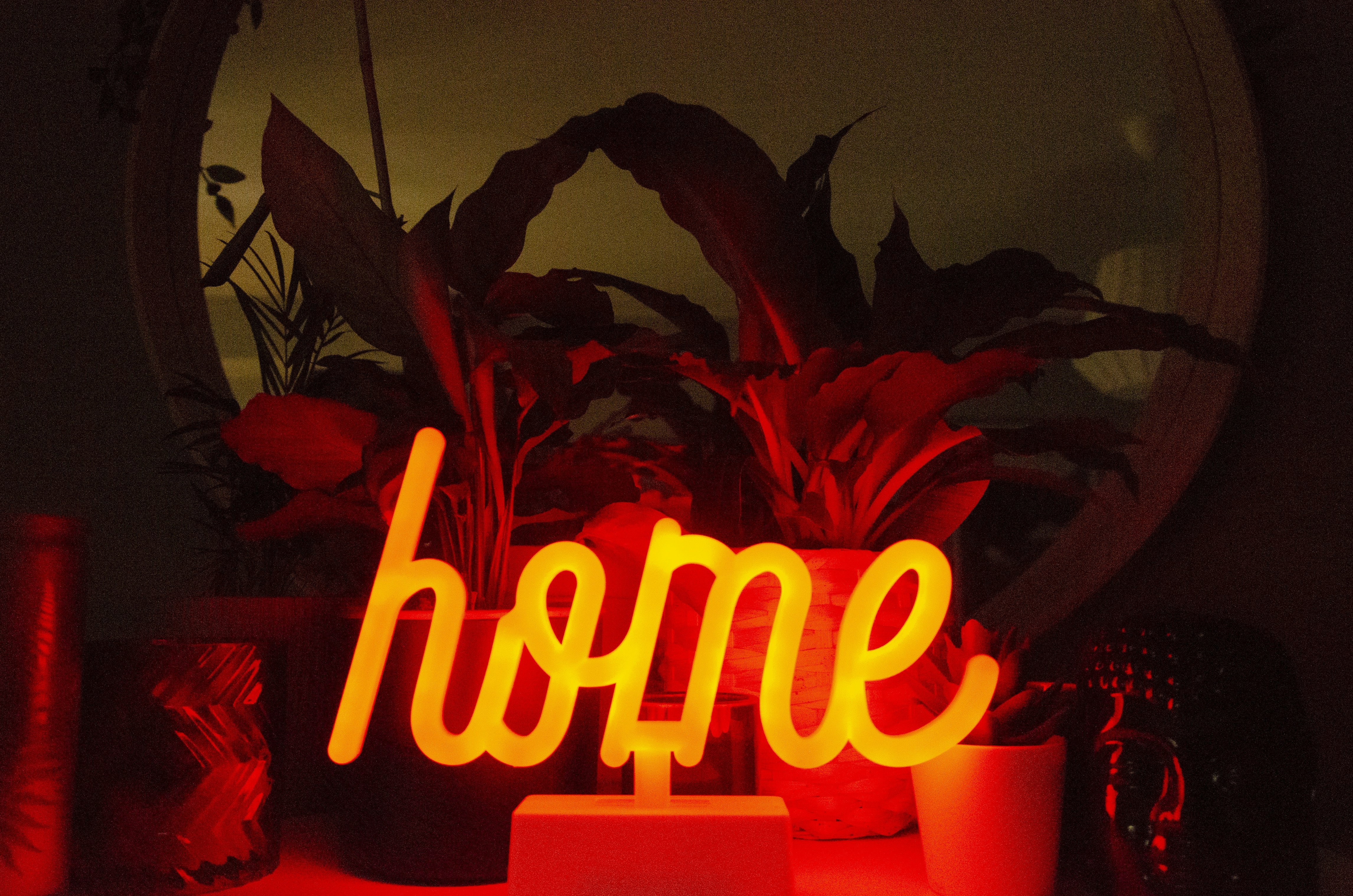
Ever wonder why your grandma’s house had plastic-covered sofas and shag carpets, while your favorite influencer’s loft is all minimalist lines and neutral tones? It’s because home decor is a living, breathing story of who we are and the times we live in.
For centuries, “decorating” was a luxury reserved for the ultra-wealthy. Think opulent French palaces with gilded everything or stark, functional medieval castles. But with the Industrial Revolution, the middle class began to have access to more goods, and the concept of the home as a personal statement started to take root. The Victorians loved to show off their newfound prosperity with all the things—heavy drapes, cluttered surfaces, and dark woods.
Then, a rebellion! Modernists in the early 20th century, like those from the Bauhaus school, stripped it all back, championing the idea that form should follow function. Suddenly, clean lines, open spaces, and simplicity were in.
Today, we’re in the best era of all: the age of personalization. There are no hard-and-fast rules. Your home is your canvas, a 3D reflection of your personality, your travels, your loves, and your quirks. As the experts at Frame It Easy note, “Your home decor should reflect your personality, so choose something that will make you happy every day you see it.” This isn’t just about impressing guests; it’s about creating a space that recharges and inspires you.
Embarking on Your Decorating Adventure: What You Need to Know First 🗺️
Alright, you’re inspired and ready to go! But hold your horses (or your paint rollers). A little bit of planning now will save you a world of headaches later. Think of yourself as the director of your own home movie—you need a script before you start shouting “Action!”
Understanding Your Space & Lifestyle Needs
Before you even think about a color palette, get real about how you live.
- Who lives here? Is it just you? You and a partner? Do you have kids with sticky fingers or a giant dog with a perpetually wagging tail that knocks things over? Your decor needs to be durable enough for your reality.
- How do you use the space? Is your living room a formal, no-TV zone, or is it where everyone piles up for movie night? Does your dining table double as your work-from-home office?
- What’s the biggest frustration? Is it the lack of storage? The terrible lighting? The awkward layout? Pinpoint the problems first, because great decor is about solving problems beautifully.
Setting a Realistic Budget for Your Decorating Project
Let’s talk money, honey. 💰 It’s the least glamorous part, but it’s the most critical. You don’t need a king’s ransom to create a beautiful home. In fact, some of our most stunning projects have been on a shoestring. Check out our guides to Budget Home Decor for inspiration.
Our Pro Tip: Divide your budget into “Splurge” and “Save” categories.
- Splurge splurge: Invest in the pieces you touch and use every day. A high-quality sofa that won’t sag, a comfortable mattress, a durable dining table. These are the workhorses of your home.
- Save 💸: Get thrifty with trendy items, accessories, and things that don’t need to withstand heavy use. Think side tables, lamps, decorative pillows, and wall art.
1. Discovering Your Inner Decorator: Unearthing Your Personal Style 🕵️♀️
“But I don’t have a style!” We hear this all the time. Trust us, you do. You just haven’t excavated it yet. Your personal style is a mashup of your personality, your experiences, and what simply makes you feel good. Let’s find it.
Visualizing Your Dream Home: Mood Boards & Inspiration Gathering (Pinterest, Houzz, Architectural Digest)
This is the fun part! Start gathering images that make your heart sing.
- Pinterest is your best friend. Create a new board called “My Dream Home” and go wild. But here’s the trick: don’t just pin randomly. After you’ve pinned 20-30 images, go back and look for patterns. Are you drawn to light, airy rooms? Dark, moody colors? Lots of plants? Clean lines? This is your style revealing itself.
- Browse the pros. Look at sites like Houzz and Architectural Digest for professionally designed spaces. You’re not trying to copy them, but to identify the elements you love.
- Look beyond interiors. Pin fashion, travel photos, and nature scenes. The colors and textures you love in a sweater or a sunset can absolutely translate to a living room.
Identifying Popular Decorating Styles: From Modern to Bohemian & Beyond
Once you have your mood board, you can start to put a name to your style. Don’t feel you have to fit neatly into one box—most people are a mix!
| Style Name | The Vibe | Key Elements |
|---|---|---|
| Modern | Clean, crisp, uncluttered, simple. | Neutral colors, natural materials (wood, metal), strong lines, lack of ornamentation. |
| Scandinavian | Light, airy, cozy, functional. | White walls, light woods, cozy textiles (hygge!), minimalist furniture, pops of black. |
| Bohemian (Boho) | Free-spirited, eclectic, laid-back. | Rich patterns, layered textiles, vintage pieces, lots of plants, natural textures (rattan, macrame). |
| Farmhouse | Rustic, charming, comfortable, welcoming. | Reclaimed wood, neutral palette, shiplap, vintage accessories, cozy fabrics like cotton and linen. |
| Traditional | Classic, elegant, orderly, detailed. | Dark woods, rich color palettes, ornate details, curved lines, classic art, symmetrical arrangements. |
Taking Style Quizzes: Fun Ways to Pinpoint Your Aesthetic
Still not sure? Sometimes a fun quiz can help you connect the dots. They’re not gospel, but they can be a great starting point. Try a few and see what they say!
2. The Power of Palette: Crafting Your Home’s Color Story 🎨
Color is the single most powerful tool in your decorating arsenal. It sets the mood, defines the space, and ties everything together. No pressure, right? Don’t worry, we’ve got a system.
Understanding Color Theory Basics: Warm vs. Cool, Complementary, Analogous
You don’t need an art degree, just a few basics.
- Warm Colors: Reds, oranges, yellows. These colors are energetic, inviting, and cozy. They can make a large room feel more intimate.
- Cool Colors: Blues, greens, purples. These colors are calming, serene, and expansive. They can make a small room feel larger.
- The 60-30-10 Rule: As mentioned in our quick tips, this is your secret weapon. The team at The Carpenter’s Daughter also champions this rule for creating a balanced look. It’s a simple way to ensure your colors are distributed harmoniously.
Choosing a Whole-Home Color Scheme: Achieving Flow and Cohesion
You want your home to feel like a cohesive album, not a random collection of singles. The key is a whole-home palette.
- Pick 3-5 colors you love and use them in varying combinations throughout your house.
- Your main neutral (like a soft white or a warm gray) can be the consistent thread.
- In the living room, maybe blue is the 30% secondary color. In the bedroom, it might be the 10% accent color. This creates flow without being boring or repetitive.
Testing Paint Colors: Why Swatches are Your Best Friend (Sherwin-Williams, Benjamin Moore)
Please, we are begging you, do not pick a paint color from a tiny chip under the harsh fluorescent lights of a hardware store. ❌ This is the #1 rookie mistake. A color can look completely different in your home’s unique lighting.
As decorating expert Katrina Lee Chambers wisely states, “It’s better to live with a block of color on your wall for a week than years hating it covering everything.”
✅ Do this instead:
- Buy sample pots or, even better, peel-and-stick swatches from a service like Samplize. They use real paint from brands like Sherwin-Williams and Benjamin Moore.
- Stick the swatches on different walls in the room.
- Observe them throughout the day—in the bright morning sun, in the afternoon shade, and at night under artificial light. The color will change! Only then can you commit.
👉 Shop Paint Samples:
- Samplize: Amazon | Samplize Official Website
- Sherwin-Williams Color to Go® Samples: Sherwin-Williams Official Website
- Benjamin Moore Paint Color Samples: Benjamin Moore Official Website
3. Laying the Foundation: Essential Furniture & Layout Principles for Beginners 🛋️
Furniture is the skeleton of your room. Get the big pieces right, and the rest is just dressing. This is where you should consult our Home Furniture Reviews to make informed choices.
Planning Your Room Layout: Functionality First, Aesthetics Second
A beautiful room that’s impossible to walk through is a failed room.
- Identify the Focal Point: What’s the first thing you want people to see? A fireplace? A great view? A stunning piece of art? Arrange your furniture to honor that focal point.
- Create Conversation Areas: In a living room, pull furniture away from the walls and arrange it to facilitate conversation. People shouldn’t have to shout across the room.
- Consider Traffic Flow: Leave clear pathways to walk through the room without bumping into things. A good rule of thumb is to have at least 30-36 inches for major walkways.
Selecting Key Furniture Pieces: Investment vs. Trendy Buys (West Elm, Pottery Barn, IKEA)
As Frame It Easy points out, your essential pieces “will make the biggest statement in your room, so don’t skimp on them!” We couldn’t agree more.
- Investment Pieces (The “Forever” Furniture): Your sofa, bed frame, and dining table. Look for solid construction, timeless design, and durable fabrics. Brands like Pottery Barn offer classic, well-made pieces, while West Elm provides a more modern take.
- Budget-Friendly Buys (The “For Now” Furniture): Coffee tables, side tables, bookcases, and accent chairs. This is where you can have fun with trends without a huge commitment. IKEA is the undisputed king of stylish, affordable options that are perfect for beginners.
Understanding Scale and Proportion: Avoiding Common Decor Disasters
Scale is the #1 thing that separates amateur and pro-looking rooms. It’s all about how the size of objects relates to each other and to the room itself.
- ❌ The Mistake: A tiny rug floating in the middle of a huge living room, or a massive, overstuffed sofa crammed into a small apartment.
- ✅ The Fix: Vary the scale! If you have a large sofa, pair it with a more delicate coffee table. In a room with high ceilings, use tall curtains or a large piece of art to draw the eye upward. It’s about balance. As Katrina & Co. advises, it’s better to have one large piece of art than a bunch of small ones on a big wall.
4. Illuminating Your Space: The Art of Lighting Design for Ambiance & Function 💡
If furniture is the skeleton, lighting is the soul. Good lighting can make a cheap room look expensive, and bad lighting can ruin even the most luxurious space.
Layering Light: Ambient, Task, and Accent Lighting Explained
Every room needs three layers of light.
- Ambient Light: This is the overall, general illumination. It usually comes from an overhead fixture like a chandelier or recessed lighting. Its job is to let you walk into a room without tripping.
- Task Light: This is focused light for specific activities. Think of a reading lamp by a chair, under-cabinet lighting in the kitchen, or a desk lamp in your office.
- Accent Light: This is the “drama” lighting. It’s used to highlight architectural features or decor, like a picture light over a painting or an uplight behind a plant.
Pro Tip: Put as many lights as possible on dimmer switches. This gives you ultimate control over the mood of the room, from bright and energetic to low and romantic.
Choosing Fixtures: Pendants, Lamps, Sconces (Restoration Hardware, Wayfair)
Think of light fixtures as the jewelry of your home. They’re a fantastic way to inject style.
- Pendants & Chandeliers: Make a statement over a dining table or in an entryway.
- Floor & Table Lamps: Provide crucial task and accent lighting while adding a sculptural element.
- Sconces: Perfect for flanking a bathroom mirror, a bed, or a fireplace.
You can find gorgeous options across all price points, from high-end statement pieces at Restoration Hardware to an endless variety of affordable styles on Wayfair.
Smart Lighting Solutions: Modern Touches for Your Home (Philips Hue, Lutron)
Want to really level up? Explore smart lighting. Systems like Philips Hue allow you to change the color and brightness of your bulbs from your phone. You can set schedules, create “scenes” for different moods (like “Movie Night” or “Focus”), and even control them with your voice. Smart dimmer switches from brands like Lutron are an easy entry point into home automation.
👉 Shop Smart Lighting:
- Philips Hue Starter Kits: Amazon | Walmart | Philips Hue Official Website
- Lutron Caseta Smart Dimmers: Amazon | Walmart | Lutron Official Website
5. Walls That Talk: Adding Personality with Art & Decor 🖼️
Bare walls are a cry for help! This is your chance to really inject your personality into your space. And no, you don’t need to be an art collector with a million-dollar budget.
Curating Your Wall Art Collection: Prints, Paintings, Photography
Art is deeply personal. Choose what you love, not what you think is “in.”
- Affordable Prints: Etsy is a treasure trove of digital downloads you can print yourself and original prints from independent artists.
- Personal Photos: Don’t hide your favorite memories on your phone! Frame them. A large-scale black and white photo can look incredibly chic.
- Unexpected Objects: Who says art has to be a painting? Frame a beautiful scarf, hang a collection of vintage plates, or display a cool textile.
Gallery Walls: Tips for a Cohesive & Eye-Catching Display
A gallery wall can look intimidating, but it’s easier than you think.
- Unify Them: Create cohesion by using all the same color frames, or by sticking to a consistent theme (e.g., all black and white photos, all nature-inspired art).
- Plan on the Floor: Arrange all your pieces on the floor first. Play with the layout until it feels balanced. Take a picture with your phone to reference.
- Use Paper Templates: Trace each frame onto kraft paper, cut it out, and tape the paper templates to the wall. This lets you visualize the final look and get the nail placement perfect before making any holes.
Mirrors: Beyond Reflection – Light & Space Enhancement
A mirror is a decorator’s secret weapon.
- Create Light: Place a large mirror opposite a window to bounce natural light around the room, making it feel brighter and more open.
- Create Space: A well-placed mirror can create the illusion of depth, making a small room feel significantly larger.
- Create a Focal Point: A mirror with a beautiful, ornate frame can act as a piece of art itself, especially over a fireplace or an entryway console.
6. The Finishing Touches: Textiles, Greenery & Personal Flair ✨
If furniture, paint, and lighting are the main course, these are the dessert. They’re the layers that make a house feel like a home.
Textiles: Rugs, Curtains, Pillows – Adding Warmth & Texture (Rugs USA, Crate & Barrel, CB2)
Textiles are how you add softness, color, and pattern.
- Rugs: A rug defines a space. As Katrina & Co. emphasizes, size matters! “It’s better to wait on the perfect size rug than buying one too small.” The rule of thumb is that at least the front legs of your main furniture should be on the rug. Check out Rugs USA for a massive selection.
- Curtains: Hang your curtain rod high and wide—several inches above and beyond the window frame. This tricks the eye into thinking the window (and the room) is bigger.
- Pillows & Throws: The easiest and most affordable way to change the look of a room! Swap them out seasonally to keep things fresh. Find great options at stores like Crate & Barrel and its modern sibling, CB2.
Bringing Nature In: Houseplants for Every Skill Level (The Sill, Bloomscape)
Every single room looks better with a plant. 🌿 They add life, color, and texture, and they even purify the air. Think you have a black thumb? Think again.
- Beginner-Proof Plants: Snake Plants, ZZ Plants, and Pothos are nearly indestructible. They tolerate low light and infrequent watering.
- Online Plant Shops: Services like The Sill and Bloomscape deliver healthy plants right to your door, often with simple care instructions.
Displaying Personal Treasures: Curated Collections & Sentimental Items
This is the final, most important layer. This is what makes your home uniquely yours.
- Style Your Shelves: Don’t just line up books. Stack some horizontally, use bookends, and leave space for objects. Mix in photos, small sculptures, and treasured trinkets.
- Group Collections: Have a collection of vintage cameras or blue and white pottery? Group them together for a bigger impact than scattering them around.
- Embrace the Imperfect: Display your child’s first piece of art, a quirky souvenir from a trip, or a beloved family heirloom. As Frame It Easy says, “Always do what you think will look best in your home.”
7. Decorating Room by Room: Achieving Cohesion & Flow Throughout Your Home 🚪
Feeling overwhelmed? Don’t try to decorate your whole house at once. Pick one room and focus on finishing it. The momentum will carry you to the next!
Living Room: The Heart of the Home
- Key Task: Create a comfortable and functional seating arrangement.
- Beginner Tip: Start with the rug. It will anchor the entire space and give you a defined area to arrange your furniture within.
Bedroom: Your Personal Sanctuary
- Key Task: Create a calm, relaxing, and clutter-free environment.
- Beginner Tip: Focus on the bed. Make it the undeniable star with a beautiful headboard, layered bedding, and plenty of pillows. Explore our Bedroom Styling guides for more ideas.
Dining Room: The Gathering Space
- Key Task: Balance aesthetics with the practical need for seating and serving.
- Beginner Tip: Get the lighting right. A statement chandelier or pendant light centered over the table defines the space. Make sure it’s on a dimmer!
Kitchen: Functional Beauty & Smart Storage
- Key Task: Maximize function and keep countertops clear.
- Beginner Tip: You can get a huge bang for your buck by updating hardware. Swapping out old cabinet knobs and drawer pulls is a simple, affordable DIY that makes a massive difference.
Bathroom: Small Space, Big Impact
- Key Task: Create a spa-like feel, even in a small space.
- Beginner Tip: Upgrade your textiles. A plush new bath mat, a beautiful shower curtain, and fluffy new towels can instantly make a tired bathroom feel more luxurious.
Entryway & Hallways: Making a Grand First Impression
- Key Task: Create a welcoming and organized “drop zone.”
- Beginner Tip: Even the smallest entryway needs three things: a place to drop your keys (a small console table or shelf), a mirror to check yourself on the way out, and good lighting.
8. Smart Decorating Strategies for Beginners: Maximizing Impact, Minimizing Stress 🧘
Decorating should be fun, not a source of anxiety. Here are some strategies to keep it that way.
Shopping Smart: Sales, Secondhand Finds, & Savvy DIY Projects
A beautiful home is curated, not bought in one go from a single store.
- 👉 Shop Secondhand: Facebook Marketplace, thrift stores, and antique shops are your friends. You can find unique, high-quality pieces with soul for a fraction of the price of new.
- Embrace DIY: Don’t be afraid to get your hands dirty. A coat of paint can transform a tired piece of furniture. Check out our DIY Decor Projects for inspiration.
- Be Patient: Sign up for mailing lists from your favorite brands (West Elm, CB2, etc.) and wait for their big sales. Our Home Decor Shopping Guides can help you time your purchases.
Decorating on a Budget: Achieving High Style Without Breaking the Bank
| Splurge On 👍 | Save On 👎 |
|---|---|
| Your sofa & other high-use upholstered items | Throw pillows & blankets |
| Your mattress | Side tables & nightstands |
| A timeless dining table | Decorative accessories (vases, trays, etc.) |
| Professional painting (if you’re not a DIYer) | Trendy items that may go out of style |
| A large, high-quality area rug | Small accent furniture |
Decluttering Before Decorating: The KonMari Method & Beyond
You cannot organize clutter. You must get rid of it. Decorating a cluttered room is like putting lipstick on a pig.
- Start Fresh: Before you bring anything new in, take a serious look at what you already own.
- Ask the Right Questions: Use Marie Kondo’s famous question: “Does it spark joy?” Or, as Katrina & Co. puts it, “if it takes more than 3 seconds to decide, you likely don’t love it.” Be ruthless. A clear space is a clear mind.
Hiring Help: When to Call in a Professional Interior Designer or Organizer
There’s no shame in calling for backup! Sometimes, a professional eye can save you time, money, and costly mistakes.
- Consider it if: You’re undertaking a large renovation, you’re paralyzed by indecision, or you simply don’t have the time.
- E-Design Services: Many designers now offer more affordable e-design packages where they provide a plan, mood board, and shopping list that you execute yourself.
Evolving Your Home: Decorating as a Journey, Not a Destination 🛤️
Here’s the final secret: your home will never be “done.” And that’s a beautiful thing! As you grow and change, so will your home. The decor should evolve with you.
One of our lead decorators, Chloe, tells a story about a client who was terrified to hang a single picture because she feared it wouldn’t be “perfect.” We encouraged her to just start. As Frame It Easy beautifully puts it, “Don’t be afraid to plan a gallery wall now and add to it over time.” Your home is a living diary. Let it tell your story, one chapter at a time.
Common Decorating Mistakes to Avoid (and How to Fix Them!) 🚨
We’ve all been there. Here are the most common blunders we see and how to sidestep them.
| The Mistake 🤦♀️ | Why It’s a Problem – | The Fix ✅ – |
| The “Floating” Rug | A rug that’s too small for the space makes the room feel disjointed and the furniture look like it’s drifting in an ocean of flooring. – | Go bigger! At a minimum, the front two legs of your sofa and chairs should sit comfortably on the rug. In a dining room, the rug should be large enough that the chairs are still on it when pulled out. – |
| The “Too Matchy-Matchy” Room | Buying a complete furniture set from one store makes a room feel flat, impersonal, and like a page from a catalog. As Katrina & Co. points out, you should aim for a “collected” look, not a “big box store” feel. – | Mix it up! Combine new pieces with vintage finds. Mix different textures (wood, metal, velvet, linen). If you have a matching set, break it up and use the pieces in different rooms. – |
| Ignoring Scale | Putting tiny furniture in a huge room or giant furniture in a tiny room creates a jarring, uncomfortable feeling. It’s the “dollhouse furniture” or “elephant in the room” effect. – | Vary your heights and shapes. If you have a low sofa, add height with a tall floor lamp or a tall plant. Use a mix of large, medium, and small items to create visual interest. – |
| The “Fear of Color” | Sticking to all-white or all-beige because you’re afraid to make a mistake results in a sterile, boring room that lacks personality. – | Start small! If you’re nervous, introduce color with your 10% accent pieces: throw pillows, a vase, a piece of art. Once you get more confident, you can move on to an accent wall or a colorful piece of furniture. – |
Expert Insights & Anecdotes from Home Decorations™ 🎙️
We’ve been in the trenches of decor dilemmas, and we’ve come back with stories. Here are some personal tidbits from our team:
Michael, our resident minimalist: “My #1 tip for beginners is to edit, edit, edit. Before you buy anything new, take one thing out of the room. It’s amazing how much better a space can feel with just a little more breathing room. Negative space is a design element too!”
Sarah, our vintage and boho queen: “Don’t be afraid of secondhand! I once found a gorgeous, solid oak mid-century credenza on Facebook Marketplace for next to nothing. The owner just thought it was ‘old.’ A little bit of wood oil and some new hardware, and it became the star of my dining room. Your best pieces often have a past life.”
David, our color theory guru: “People get so hung up on finding the ‘perfect’ shade of gray or white. Here’s a secret: they’re all influenced by their undertones (blue, green, pink, yellow). Hold your paint chip up to a pure white piece of paper. The undertone will immediately reveal itself. This helps you understand if the color will feel warm or cool in your space.”
Chloe, our small-space specialist: “Vertical space is your best friend in a small apartment. Think tall, narrow bookcases, floating shelves that go up to the ceiling, and hanging plants. Drawing the eye upward makes any room feel larger and more grand.”
Conclusion 🎉
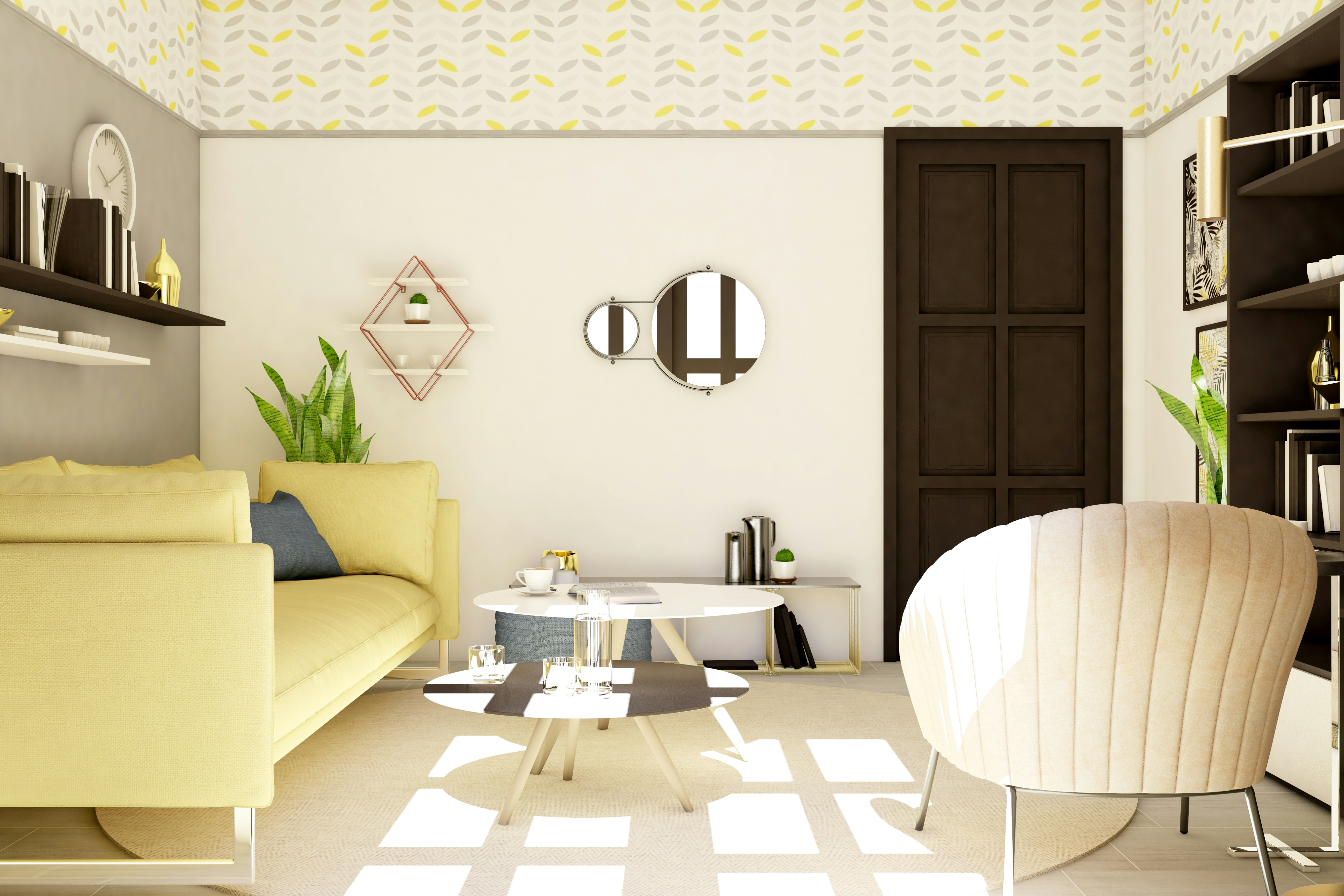
Congratulations! You’ve just unlocked the ultimate beginner’s guide to home decorating — from discovering your personal style to mastering the art of lighting and textiles. Remember, decorating your home is not a race; it’s a joyful journey of self-expression and creativity. As we teased earlier, the secret to success is to start small, plan thoughtfully, and let your home evolve naturally over time. Don’t let the fear of making mistakes hold you back — every misstep is just a stepping stone to your perfect space.
Whether you’re splurging on a timeless sofa from Pottery Barn or hunting for that quirky vintage find on Facebook Marketplace, balance is key. Invest in essentials that last, and have fun with accessories and accents that can change with your mood or the seasons. And yes, lighting really is everything — the right glow can transform your room from drab to fab in seconds.
If you remember nothing else, keep this mantra close: Your home should make you happy every day you walk through the door. So go ahead, get your hands dirty, experiment boldly, and create a space that’s uniquely yours.
Recommended Links 🛒
Ready to start shopping or learn more? Here are some of our favorite brands and resources to get you going:
- Pottery Barn Furniture: Amazon | Pottery Barn Official
- West Elm Modern Furniture: Amazon | West Elm Official
- IKEA Affordable Furniture: Amazon | IKEA Official
- Sherwin-Williams Paint Samples: Sherwin-Williams Official
- Benjamin Moore Paint Samples: Benjamin Moore Official
- Philips Hue Smart Lighting: Amazon | Philips Hue Official
- Lutron Caseta Smart Dimmers: Amazon | Lutron Official
- Rugs USA: Rugs USA Official
- Crate & Barrel: Crate & Barrel Official
- CB2: CB2 Official
- The Sill Houseplants: The Sill Official
- Bloomscape Plants: Bloomscape Official
- Etsy Art Prints: Etsy Official
Recommended Books on Home Decorating
- The Interior Design Handbook by Frida Ramstedt — A practical guide to decorating with confidence and style. Amazon Link
- Styled: Secrets for Arranging Rooms, from Tabletops to Bookshelves by Emily Henderson — A fun, approachable book full of styling tips. Amazon Link
- Homebody: A Guide to Creating Spaces You Never Want to Leave by Joanna Gaines — Inspiration from a beloved designer. Amazon Link
FAQ ❓
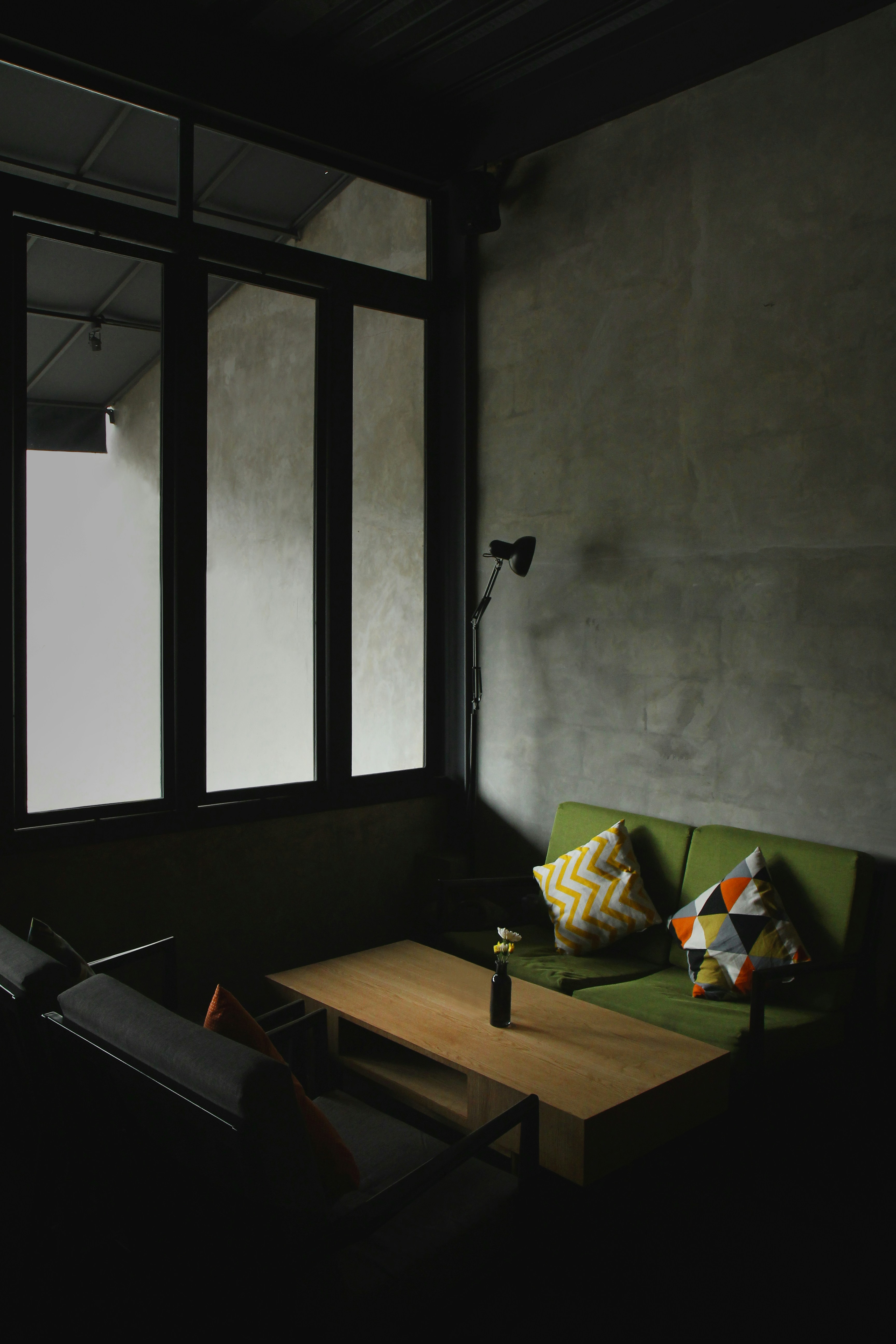
What are the basic principles of home decorating that every beginner should know?
The foundation of good decorating lies in balance, harmony, and function. Start with a clear plan: understand your space and lifestyle needs, choose a cohesive color palette (think 60-30-10 rule), and invest in essential furniture pieces that fit your scale and usage. Layer your lighting for ambiance and function, and add personality with art, textiles, and personal treasures. Remember, less is often more—editing your space to avoid clutter creates a polished look.
Read more about “50 Creative Home Decoration Ideas to Transform Your Space 🏡 …”
How do I determine my personal decorating style and create a cohesive look in my home?
Begin by gathering inspiration from platforms like Pinterest and Houzz. Create mood boards and look for recurring themes in color, texture, and furniture styles. Take style quizzes from reputable sources to help clarify your aesthetic. Once identified, use a consistent color palette and repeat key elements throughout your home to ensure flow and cohesion. Mixing styles is perfectly fine, but aim for a curated, collected feel rather than a matchy-matchy showroom.
What are some essential items I need to get started with decorating my first home or apartment?
Focus on key investment pieces: a comfortable sofa, a sturdy dining table, and a good mattress. These are your foundation. Add a quality area rug to anchor your living spaces, layered lighting (ambient, task, accent), and window treatments to soften the room. Accessories like pillows, throws, and art can be added gradually to personalize your space. Don’t forget to measure your rooms and doorways carefully before purchasing!
What are some common home decorating mistakes that beginners should avoid to achieve a polished and professional look?
- Buying a rug that’s too small: It disconnects furniture and makes the room feel disjointed. Always buy a rug large enough to fit at least the front legs of your seating.
- Matching everything too perfectly: This creates a flat, impersonal look. Mix textures, finishes, and styles for depth.
- Ignoring scale and proportion: Furniture and decor should fit the size of your room and each other. Avoid tiny furniture in big rooms or oversized pieces in small spaces.
- Fear of color: Sticking to all neutrals can make a space boring. Introduce color gradually with accents to build confidence.
- Skipping lighting layers: One overhead light is never enough. Layer your lighting for function and mood.
How can I decorate on a budget without sacrificing style?
Start by prioritizing your spending: invest in durable, timeless furniture and save on accessories and trendy items. Shop secondhand and vintage for unique pieces with character. DIY projects like painting furniture or creating your own art can add personality without a big price tag. Sign up for sales alerts from favorite stores and be patient. Decluttering before decorating also helps you make the most of what you already own.
Read more about “What Are the Latest Trends in Home Decorations? Top 13 for 2025 ✨”
When should I consider hiring a professional interior designer or decorator?
If you’re overwhelmed, facing a major renovation, or want to avoid costly mistakes, a professional can save you time and stress. Many offer affordable e-design services that provide personalized plans and shopping lists you can implement yourself. Hiring help is an investment in peace of mind and can elevate your home’s style beyond what you might achieve alone.
Reference Links 🔗
- Bauhaus School History
- Frame It Easy: Steps to Start Decorating for Beginners
- Katrina & Co: Beginner’s Guide to Interior Decorating
- The Carpenter’s Daughter: How to Decorate A Room – Beginner’s Guide
- Sherwin-Williams Official Website
- Benjamin Moore Official Website
- Pottery Barn Official Website
- West Elm Official Website
- IKEA Official Website
- Philips Hue Official Website
- Lutron Official Website
- Rugs USA Official Website
- Crate & Barrel Official Website
- CB2 Official Website
- The Sill Official Website
- Bloomscape Official Website
- Etsy Official Website
We hope this guide lights the way to a home you love living in. Ready to roll up your sleeves? Let’s get decorating! 🎨🏡✨